Genre
girl group
Top Girl group Artists
Showing 25 of 31 artists






About Girl group
A girl group is a vocal ensemble built around female singers whose strengths lie in tight harmonies, memorable hooks, and a strong, image-driven stage presence. While the concept can be traced to earlier pop and doo-wop harmonies, the modern genre crystallized in the United States in the late 1950s and exploded as a defining force in 1960s pop and R&B.
Origins and early evolution: The late 1950s brought groups like the Chordettes with “Lollipop” and the Chantels, one of the first all-female acts to break through with a devoted teenage audience. In the 1960s, the genre’s storefront became more sophisticated: The Shirelles delivered “Will You Love Me Tomorrow” (1960), The Crystals gave us “Da Doo Ron Ron,” The Ronettes mesmerized with “Be My Baby,” and The Chiffons offered “One Fine Day.” These recordings fused girl-group storytelling with the expanding reach of radio and television. By mid-decade, the Motown-era lineup—led by The Supremes—became the genre’s most enduring emblem, turning harmonies, glossy production, and confident, stylish presentation into a template for pop-soul crossover success.
The 1960s golden age also established a template for branding and choreography, turning girl groups into cultural phenomena rather than mere musical acts. The sound varied—from doo-wop’s pastel ballads to Sun Records–style rock-era punch—yet the shared emphasis on group cohesion, polished performances, and a distinct visual identity remained central.
Revival and globalization: The genre didn’t stay static. In the 1990s and early 2000s, Spice Girls jolted the global scene with a commercial, you-can-be-yourself feminism that helped propel girl groups back into the mainstream. In the same period, U.S. acts like Destiny’s Child and TLC defined the contemporary R&B era with lush vocal arrays, up-tempo anthems, and high-profile choreography. Across the Atlantic, UK groups such as All Saints and Sugababes expanded the format with glossy, radio-friendly harmonies and evolving lineups.
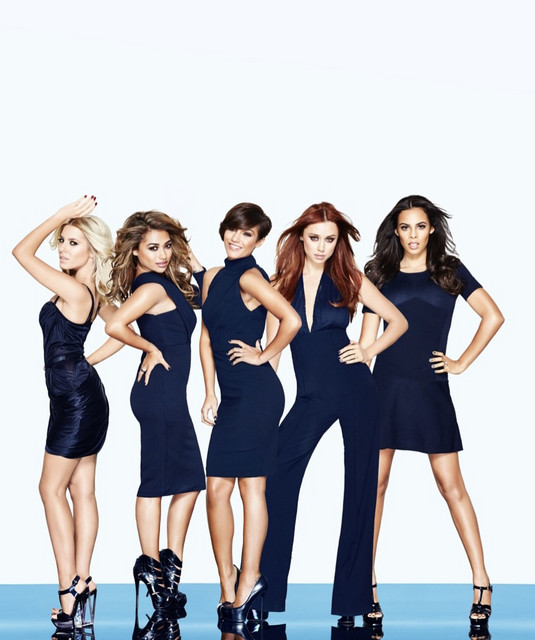
Global expansion and the current era: Since the 2000s and into the 2010s and 2020s, “girl group” has become a global umbrella. East Asia’s idol system (Japan, Korea) has produced massive, meticulously choreographed girl groups whose worldwide fanbases often transcend language barriers. In K-pop, acts like Girls’ Generation, 2NE1, Blackpink, and Twice have carried the concept into a global entertainment ecosystem. In the Western world, newer groups—Little Mix, Fifth Harmony, Fifth Harmony's successors, and others—continue the tradition of vocal blend, visual branding, and touring dynamism.
Ambassadors (selected):
- 1960s: The Shirelles, The Crystals, The Ronettes, The Chiffons, The Supremes
- 1990s–2000s: Spice Girls, Destiny’s Child, TLC, All Saints, Sugababes, Atomic Kitten
- 2000s–present: Girls’ Generation, Twice, Blackpink, Little Mix, Fifth Harmony
Popularity by region: The genre’s historic strongholds are the United States and the United Kingdom, where it rose to cultural prominence in the 1960s and remained influential through the present. It’s now a worldwide phenomenon, with especially vibrant scenes in East Asia (K-pop and J-pop ecosystems) and a robust global fanbase for contemporary groups across Europe and the Americas.
In short, the girl group is a flexible, enduring vessel for vocal chemistry, choreographic storytelling, and brand-driven pop culture, continually reinventing itself while keeping harmony and group identity at its core.
Origins and early evolution: The late 1950s brought groups like the Chordettes with “Lollipop” and the Chantels, one of the first all-female acts to break through with a devoted teenage audience. In the 1960s, the genre’s storefront became more sophisticated: The Shirelles delivered “Will You Love Me Tomorrow” (1960), The Crystals gave us “Da Doo Ron Ron,” The Ronettes mesmerized with “Be My Baby,” and The Chiffons offered “One Fine Day.” These recordings fused girl-group storytelling with the expanding reach of radio and television. By mid-decade, the Motown-era lineup—led by The Supremes—became the genre’s most enduring emblem, turning harmonies, glossy production, and confident, stylish presentation into a template for pop-soul crossover success.
The 1960s golden age also established a template for branding and choreography, turning girl groups into cultural phenomena rather than mere musical acts. The sound varied—from doo-wop’s pastel ballads to Sun Records–style rock-era punch—yet the shared emphasis on group cohesion, polished performances, and a distinct visual identity remained central.
Revival and globalization: The genre didn’t stay static. In the 1990s and early 2000s, Spice Girls jolted the global scene with a commercial, you-can-be-yourself feminism that helped propel girl groups back into the mainstream. In the same period, U.S. acts like Destiny’s Child and TLC defined the contemporary R&B era with lush vocal arrays, up-tempo anthems, and high-profile choreography. Across the Atlantic, UK groups such as All Saints and Sugababes expanded the format with glossy, radio-friendly harmonies and evolving lineups.
Global expansion and the current era: Since the 2000s and into the 2010s and 2020s, “girl group” has become a global umbrella. East Asia’s idol system (Japan, Korea) has produced massive, meticulously choreographed girl groups whose worldwide fanbases often transcend language barriers. In K-pop, acts like Girls’ Generation, 2NE1, Blackpink, and Twice have carried the concept into a global entertainment ecosystem. In the Western world, newer groups—Little Mix, Fifth Harmony, Fifth Harmony's successors, and others—continue the tradition of vocal blend, visual branding, and touring dynamism.
Ambassadors (selected):
- 1960s: The Shirelles, The Crystals, The Ronettes, The Chiffons, The Supremes
- 1990s–2000s: Spice Girls, Destiny’s Child, TLC, All Saints, Sugababes, Atomic Kitten
- 2000s–present: Girls’ Generation, Twice, Blackpink, Little Mix, Fifth Harmony
Popularity by region: The genre’s historic strongholds are the United States and the United Kingdom, where it rose to cultural prominence in the 1960s and remained influential through the present. It’s now a worldwide phenomenon, with especially vibrant scenes in East Asia (K-pop and J-pop ecosystems) and a robust global fanbase for contemporary groups across Europe and the Americas.
In short, the girl group is a flexible, enduring vessel for vocal chemistry, choreographic storytelling, and brand-driven pop culture, continually reinventing itself while keeping harmony and group identity at its core.