Genre
art rock
Top Art rock Artists
Showing 25 of 1,019 artists




About Art rock
Art rock is a branch of rock music that treats the form as a platform for broader artistic ambitions: conceptual storytelling, experimental textures, elaborate arrangements, and stagecraft that borders on theater. It’s less about catchy hooks and more about exploring music as a holistic art experience—sound, visuals, and ideas all in dialogue.
The genre crystallized in the late 1960s and early 1970s, with roots in Britain and the United States. It grew out of the studio as instrument, intersecting with psychedelic expansion, classical influences, avant-garde techniques, and the idea that rock could bear serious, even esoteric concepts. Bands began to stretch form beyond three-minute singles, embracing long-form suites, intricate time signatures, and narrative or thematic coherence across albums. The era also saw a heightened emphasis on album artwork and theatrical presentation, turning records into total artistic statements rather than mere collections of songs.
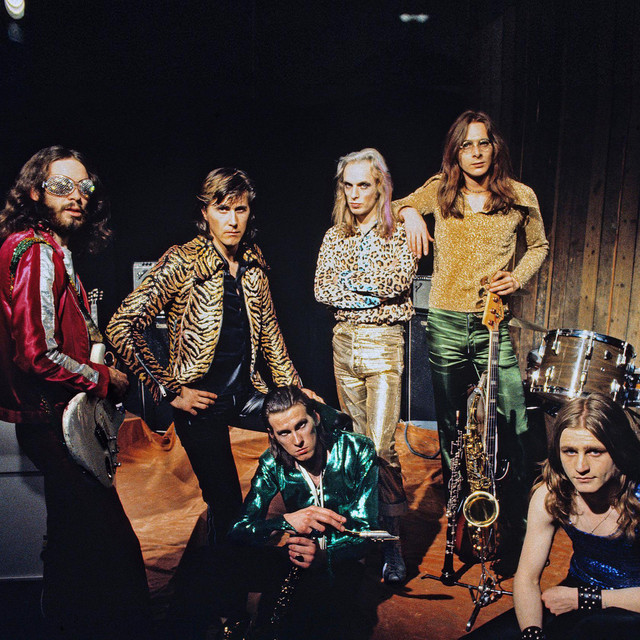
Among the defining ambassadors are Pink Floyd, whose albums—especially The Dark Side of the Moon (1973) and Wish You Were Here (1975)—turned studio texture, tape effects, and conceptual unity into a signature experience. King Crimson, with In the Court of the Crimson King (1969), pushed rock into irregular meters, abrasively experimental guitar textures, and a willingness to collide medieval, avant-garde, and modernist sensibilities. Yes and Genesis cultivated intricate arrangements and long, narrative-driven pieces—Fragile (1971) and Close to the Edge (1972) for Yes; Foxtrot (1972) and The Lamb Lies Down on Broadway (1974) for Genesis—bolstering the “epic” rock archetype. Roxy Music fused glam allure with art-school sophistication, fashion-forward presentation, and provocative studio work, becoming a bridge between rock’s rebellious edge and art-world aesthetics.
David Bowie is another pivotal figure, expanding art rock’s reach through personas, conceptual albums, and a cross-pultural, multidisciplinary approach that drew from theater, fashion, and cinema. In the studio and beyond, Brian Eno emerged as both artist and producer, elevating ambient textures, generative ideas, and experimental approaches that would influence generations of musicians. In the late 1970s and beyond, artists like Talking Heads and, later, Radiohead carried the torch into new territories, blending art-rock psychology with post-punk, electronic experimentation, and introspective lyricism.
Geographically, the UK was the epicenter, with the movement radiating to the United States and continental Europe. Regions across Europe developed their own flavors of art-influenced rock—Italy’s progressive scenes, Germany’s exploratory acts, and beyond—each adding local sensibilities to the global conversation.
What makes art rock appeal to enthusiasts is the sense that listening is an active, interpretive act: albums invite analysis of themes, production tricks, and performance concepts as much as musical prowess. It’s about listening as a form of curiosity—discovering how mood, narrative, and sound design coexist. For the curious listener, art rock offers a map of rock’s possibilities: synthesis of high culture and popular form, a lifelong invitation to hear the music as art, and the thrill of discovering how a song can unfold like a small, immersive work of art.
The genre crystallized in the late 1960s and early 1970s, with roots in Britain and the United States. It grew out of the studio as instrument, intersecting with psychedelic expansion, classical influences, avant-garde techniques, and the idea that rock could bear serious, even esoteric concepts. Bands began to stretch form beyond three-minute singles, embracing long-form suites, intricate time signatures, and narrative or thematic coherence across albums. The era also saw a heightened emphasis on album artwork and theatrical presentation, turning records into total artistic statements rather than mere collections of songs.
Among the defining ambassadors are Pink Floyd, whose albums—especially The Dark Side of the Moon (1973) and Wish You Were Here (1975)—turned studio texture, tape effects, and conceptual unity into a signature experience. King Crimson, with In the Court of the Crimson King (1969), pushed rock into irregular meters, abrasively experimental guitar textures, and a willingness to collide medieval, avant-garde, and modernist sensibilities. Yes and Genesis cultivated intricate arrangements and long, narrative-driven pieces—Fragile (1971) and Close to the Edge (1972) for Yes; Foxtrot (1972) and The Lamb Lies Down on Broadway (1974) for Genesis—bolstering the “epic” rock archetype. Roxy Music fused glam allure with art-school sophistication, fashion-forward presentation, and provocative studio work, becoming a bridge between rock’s rebellious edge and art-world aesthetics.
David Bowie is another pivotal figure, expanding art rock’s reach through personas, conceptual albums, and a cross-pultural, multidisciplinary approach that drew from theater, fashion, and cinema. In the studio and beyond, Brian Eno emerged as both artist and producer, elevating ambient textures, generative ideas, and experimental approaches that would influence generations of musicians. In the late 1970s and beyond, artists like Talking Heads and, later, Radiohead carried the torch into new territories, blending art-rock psychology with post-punk, electronic experimentation, and introspective lyricism.
Geographically, the UK was the epicenter, with the movement radiating to the United States and continental Europe. Regions across Europe developed their own flavors of art-influenced rock—Italy’s progressive scenes, Germany’s exploratory acts, and beyond—each adding local sensibilities to the global conversation.
What makes art rock appeal to enthusiasts is the sense that listening is an active, interpretive act: albums invite analysis of themes, production tricks, and performance concepts as much as musical prowess. It’s about listening as a form of curiosity—discovering how mood, narrative, and sound design coexist. For the curious listener, art rock offers a map of rock’s possibilities: synthesis of high culture and popular form, a lifelong invitation to hear the music as art, and the thrill of discovering how a song can unfold like a small, immersive work of art.