Genre
asmr
Top Asmr Artists
Showing 25 of 573 artists



















About Asmr
ASMR, short for Autonomous Sensory Meridian Response, sits at an intriguing crossroads of music, sound design, and intimate listener experience. For music enthusiasts, it’s less a single genre with a fixed chord progression and tempo, and more a global sound-habit built around textures, space, and personal attention. The result is a velvety, often whispered or softly spoken current that can feel like music made of air, breath, and tiny sonic details.
How and when it was born
The term ASMR was coined around 2010 by Jennifer Allen, who helped organize a name for a sensation many people described anecdotally as a pleasant tingling in the scalp or spine in response to certain stimuli. Before the word existed, communities of listeners were already sharing audio and video from the late 2000s, but the YouTube era accelerated its reach. Producers began to refine techniques—stereo binaural recording, close-mic'd whispers, and careful soundscapes—turning momentary triggers into repeating listening rituals. Early on, the focus was on personal attention and intimate, quiet sounds; over time, the scene diversified into ambient soundscapes, roleplay scenarios, and music-adjacent pieces that emphasize atmosphere over conventional melody.
What you hear in ASMR music-adjacent work
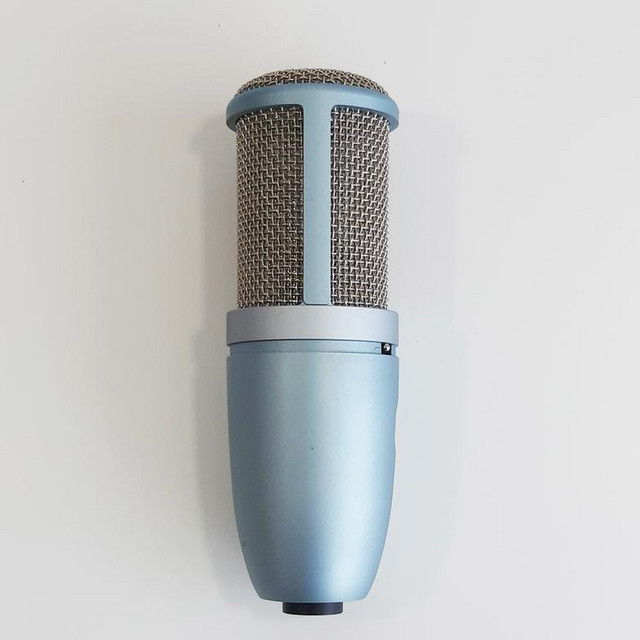
Musically, ASMR leans into texture more than rhythm. Expect soft, deliberate pacing, gentle consonants, and a spectrum of triggers: whispering, page-turns, tapping, crinkling, brushing, and mouth sounds, often captured with binaural mics to simulate 3D space. The sonic palette blends near-silent vocalization with environmental sounds—rain, rustling leaves, soft synth wash, or delicate chimes—creating an immersive listening environment. Some artists push the boundary by layering sparse, music-like textures—gently circling ambient tones, harp plucks, or piano with ultrafine dynamic control—while preserving the core ethos of close, pampering attention. In short, it’s music that invites you to listen with your body, not just your ears.
Ambassadors and key creators
Several channels became iconic in shaping the ASMR movement. Gentle Whispering ASMR is frequently cited as one of the discipline’s early and influential voices, emphasizing calm vocal delivery and personal attention. Gibi ASMR rose to prominence with a broad range of triggers and roleplays, blending performance with intricate sound design. WhispersRed ASMR, ASMR Darling, and ASMR Glow are among the other widely recognized ambassadors who helped normalize high-production-value ASMR and expanded the guidebook of triggers. Beyond these, many creators specialize in ambient soundscapes or musical ASMR, showing how the genre intersects with broader electronic and experimental music scenes.
Where it’s most popular
ASMR content enjoys a global footprint, with strong followings in the United States, the United Kingdom, Canada, and Australia—cultivating a mature ecosystem of creators, fans, and communities. Europe, increasingly, hosts a vibrant subset of producers and listeners. Asia also has a significant audience, including Japan and other markets where intimate, precise audio work resonates with local listening habits. As platforms evolve, ASMR continues to cross borders, inviting listeners to discover new textures and listening rituals.
Scientific and cultural context
Scholars have begun to study ASMR’s effects, with some small studies suggesting relaxation, reduced heart rate, and improved sleep for some people, though research remains exploratory. For music lovers, the appeal is practical as much as sensational: ASMR offers a disciplined, sensory listening practice that foregrounds nuance, space, and human touch—an intimate cousin to ambient and experimental music that can be deeply soothing or provocatively cinematic, depending on the creator’s intention.
How and when it was born
The term ASMR was coined around 2010 by Jennifer Allen, who helped organize a name for a sensation many people described anecdotally as a pleasant tingling in the scalp or spine in response to certain stimuli. Before the word existed, communities of listeners were already sharing audio and video from the late 2000s, but the YouTube era accelerated its reach. Producers began to refine techniques—stereo binaural recording, close-mic'd whispers, and careful soundscapes—turning momentary triggers into repeating listening rituals. Early on, the focus was on personal attention and intimate, quiet sounds; over time, the scene diversified into ambient soundscapes, roleplay scenarios, and music-adjacent pieces that emphasize atmosphere over conventional melody.
What you hear in ASMR music-adjacent work
Musically, ASMR leans into texture more than rhythm. Expect soft, deliberate pacing, gentle consonants, and a spectrum of triggers: whispering, page-turns, tapping, crinkling, brushing, and mouth sounds, often captured with binaural mics to simulate 3D space. The sonic palette blends near-silent vocalization with environmental sounds—rain, rustling leaves, soft synth wash, or delicate chimes—creating an immersive listening environment. Some artists push the boundary by layering sparse, music-like textures—gently circling ambient tones, harp plucks, or piano with ultrafine dynamic control—while preserving the core ethos of close, pampering attention. In short, it’s music that invites you to listen with your body, not just your ears.
Ambassadors and key creators
Several channels became iconic in shaping the ASMR movement. Gentle Whispering ASMR is frequently cited as one of the discipline’s early and influential voices, emphasizing calm vocal delivery and personal attention. Gibi ASMR rose to prominence with a broad range of triggers and roleplays, blending performance with intricate sound design. WhispersRed ASMR, ASMR Darling, and ASMR Glow are among the other widely recognized ambassadors who helped normalize high-production-value ASMR and expanded the guidebook of triggers. Beyond these, many creators specialize in ambient soundscapes or musical ASMR, showing how the genre intersects with broader electronic and experimental music scenes.
Where it’s most popular
ASMR content enjoys a global footprint, with strong followings in the United States, the United Kingdom, Canada, and Australia—cultivating a mature ecosystem of creators, fans, and communities. Europe, increasingly, hosts a vibrant subset of producers and listeners. Asia also has a significant audience, including Japan and other markets where intimate, precise audio work resonates with local listening habits. As platforms evolve, ASMR continues to cross borders, inviting listeners to discover new textures and listening rituals.
Scientific and cultural context
Scholars have begun to study ASMR’s effects, with some small studies suggesting relaxation, reduced heart rate, and improved sleep for some people, though research remains exploratory. For music lovers, the appeal is practical as much as sensational: ASMR offers a disciplined, sensory listening practice that foregrounds nuance, space, and human touch—an intimate cousin to ambient and experimental music that can be deeply soothing or provocatively cinematic, depending on the creator’s intention.