Genre
atmospheric black metal
Top Atmospheric black metal Artists
Showing 9 of 9 artists


About Atmospheric black metal
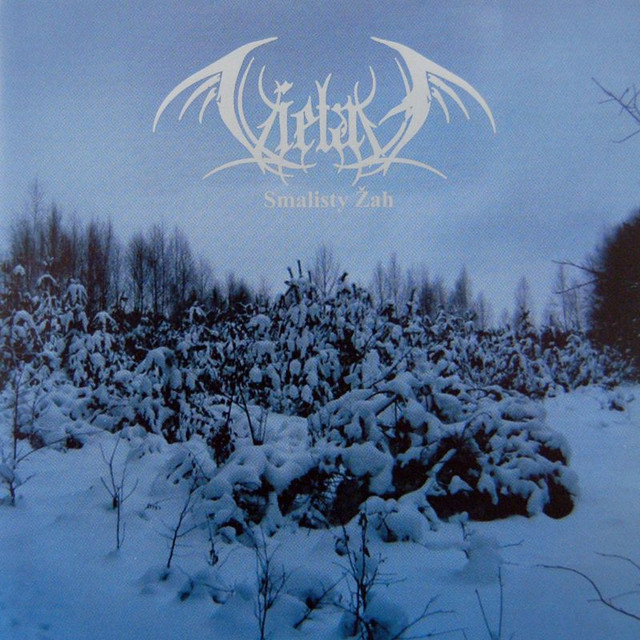
Atmospheric black metal is a subgenre of black metal that places mood, space, and texture at the forefront. It stretches the sonic palette beyond tremolo-picked riffs and blast beats, weaving expansive soundscapes, ethereal clean passages, subtle folk elements, and sometimes ambient or post-rock influences into the black metal core. The result is often a wintry, cinematic mood—vast forests, cold skies, and desolate landscapes—felt as much as heard. Vocals tend to be shrieked or anguished, but they are frequently buried in reverb to serve the overall atmosphere rather than stand out as a focal point.
The “birth” of atmospheric black metal emerges from the broader 1990s black metal underground, evolving as bands experimented with mood and scale. While the genre lacks a single founding moment, it coalesced in the early 2000s through bands that foreground atmosphere as much as aggression. In the United States and Europe, artists began to fuse black metal intensity with ambient textures and folk or nature-inspired imagery, creating a more expansive, immersive listening experience. The scene truly broadened in the 2000s and 2010s, as production techniques improved and bands began to blend black metal with shoegaze, post-rock, and even melodic death influences.
Key ambassadors and landmark acts illustrate the range of the style. Agalloch, from the Pacific Northwest, helped define a melancholic, nature-inspired strand with albums like The Mantle (2002) and Ashes Against the Grain (2006). Their mix of acoustic interludes, folk-inflected guitars, and expansive riffing became a blueprint for many later projects. Alcest, formed by Neige in France, bridged black metal with dreamlike, shoegazey textures and later helped coin the “blackgaze” term; their music leans into luminous melodies as often as it plunges into foggy desolation. Wolves in the Throne Room, also American, brought forest imagery and monumental, hypnotic layers to the fore, emphasizing atmosphere as a vessel for political and environmental themes. Drudkh (Ukraine) and Fen (UK) expanded the palette with Ukrainian folk-inflected melodies and moody, nature-dark aesthetics, while Panopticon (USA) fused black metal with Americana influences to striking effect. In the broader orbit, Deafheaven’s 2010s breakthrough (and the controversial but influential Sunbather in 2013) popularized a version of the sound for a wider audience, often labeled blackgaze, which helped bring ABM into mainstream discourse without sacrificing its core sensibilities.
Geographically, atmospheric black metal enjoys strong scenes in North America and Western Europe, especially the United States (notably the Pacific Northwest and Midwest), France (home to Alcest), and the UK. Scandinavia, Ukraine, Russia, and post-Soviet states host vibrant subsets as well, along with growing pockets in Australia and Japan. The genre’s appeal lies in its ability to take listeners on an inward, cinematic journey—using texture and space to evoke weather, memory, and place as powerfully as any guitar hook or blast beat.
For enthusiasts, ABM is less about speed and more about immersion: a recorded landscape you can walk through with your headphones, lying in wait for the next horizon of sound.
The “birth” of atmospheric black metal emerges from the broader 1990s black metal underground, evolving as bands experimented with mood and scale. While the genre lacks a single founding moment, it coalesced in the early 2000s through bands that foreground atmosphere as much as aggression. In the United States and Europe, artists began to fuse black metal intensity with ambient textures and folk or nature-inspired imagery, creating a more expansive, immersive listening experience. The scene truly broadened in the 2000s and 2010s, as production techniques improved and bands began to blend black metal with shoegaze, post-rock, and even melodic death influences.
Key ambassadors and landmark acts illustrate the range of the style. Agalloch, from the Pacific Northwest, helped define a melancholic, nature-inspired strand with albums like The Mantle (2002) and Ashes Against the Grain (2006). Their mix of acoustic interludes, folk-inflected guitars, and expansive riffing became a blueprint for many later projects. Alcest, formed by Neige in France, bridged black metal with dreamlike, shoegazey textures and later helped coin the “blackgaze” term; their music leans into luminous melodies as often as it plunges into foggy desolation. Wolves in the Throne Room, also American, brought forest imagery and monumental, hypnotic layers to the fore, emphasizing atmosphere as a vessel for political and environmental themes. Drudkh (Ukraine) and Fen (UK) expanded the palette with Ukrainian folk-inflected melodies and moody, nature-dark aesthetics, while Panopticon (USA) fused black metal with Americana influences to striking effect. In the broader orbit, Deafheaven’s 2010s breakthrough (and the controversial but influential Sunbather in 2013) popularized a version of the sound for a wider audience, often labeled blackgaze, which helped bring ABM into mainstream discourse without sacrificing its core sensibilities.
Geographically, atmospheric black metal enjoys strong scenes in North America and Western Europe, especially the United States (notably the Pacific Northwest and Midwest), France (home to Alcest), and the UK. Scandinavia, Ukraine, Russia, and post-Soviet states host vibrant subsets as well, along with growing pockets in Australia and Japan. The genre’s appeal lies in its ability to take listeners on an inward, cinematic journey—using texture and space to evoke weather, memory, and place as powerfully as any guitar hook or blast beat.
For enthusiasts, ABM is less about speed and more about immersion: a recorded landscape you can walk through with your headphones, lying in wait for the next horizon of sound.