Genre
austin rock
Top Austin rock Artists
Showing 25 of 58 artists









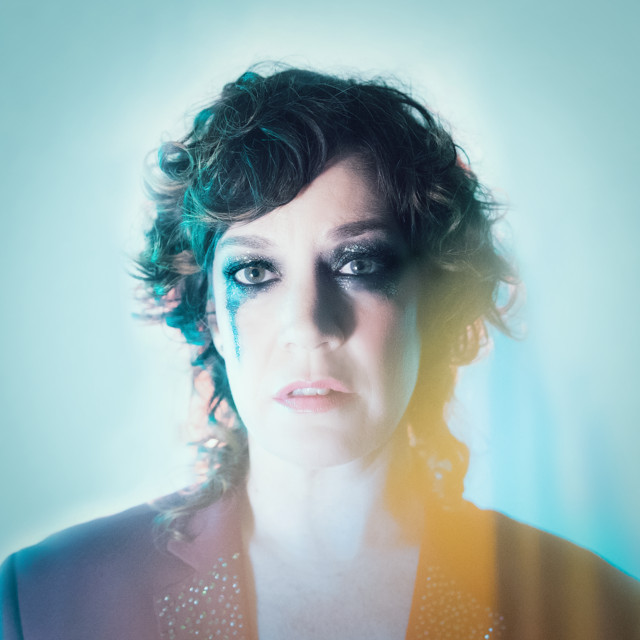






About Austin rock
Austin rock is not a single fixed sound so much as a regional voice that grew out of Austin, Texas’s legendary live-music ecosystem. Born in the late 1960s and flowering through the 1970s, it fused blues-inflected rock with psychedelic textures, country-leaning grooves, and, later, the brash energy of indie and garage rock. What makes Austin rock distinct is not a rigid recipe but a culture of performance: a city where bands and audiences treat the stage as a shared ritual, and where clubs, street corners, and festival stages feed off each other’s energy.
Two landmarks helped crystallize the Austin approach. Antone’s, opened in 1975 by Cliff Antone, became a catalytic blues club where local acts and touring legends swapped ideas and riffs, turning Austin into a destination for serious guitar work and soulful grit. The Armadillo World Headquarters, which opened in 1970, fused country, rock, and theatricality, proving that a city could host experimental jams and high-spirited sing-alongs under one roof. These venues seeded a culture of fearless cross-pollination that would bleed into everything from blues-rock to cosmic psych and indie swagger. The annual SXSW festival, which began in 1987, turbocharged the scene by placing Austin on the world map, giving local players a platform to meet labels, reporters, and audiences from around the globe.
The sound of Austin rock often centers on the craft of the guitar and the immediacy of the live experience. It embraces tight, soulful blues lines, blistering solos, angular guitar textures, and a sense that a performance can veer into improvisation at a moment’s notice. Early strands of the genre absorbed country’s storytelling and swing, then later welcomed the rougher edge of garage rock and the melodic clarity of indie rock. This openness to genre-bending has produced some of the most influential players in the broader American rock tapestry.
Key ambassadors and contemporary torch-bearers include Stevie Ray Vaughan and his brother Jimmie Vaughan, whose Texas-blues virtuosity redefined modern rock guitar in the 1980s and helped place Austin at the center of that revival. The Fabulous Thunderbirds carried a blues-rock punch with Texas swagger that kept the city’s reputation for gritty, danceable rock alive. In more recent decades, Austin’s scene has given us Spoon, a touchstone of indie rock with a sharp, literate edge; White Denim, a band steeped in garage and jam-band sensibilities; and Gary Clark Jr., whose blues-soaked rock has bridged arenas and intimate clubs with blistering efficiency. The Black Angels carried Austin’s psych-tinged vein into the 2000s, while Black Pumas and other contemporary acts blended soul, funk, and rock to widen the genre’s emotional palette.
Where is Austin rock most popular? Primarily in the United States, especially within Texas and the broader American Southwest, where the city’s live-music ethos resonates with fans of blues, garage, and indie rock. It also maintains a devoted international following among listeners who gravitate to Americana, blues-rock, and festival culture. Fans in Canada, the United Kingdom, Germany, and Japan have embraced its revivalist, inclusive spirit, thanks in large part to SXSW’s ongoing global reach.
For enthusiasts, Austin rock offers a living map of a city that treats rock as a communal practice—ripe with history, exposed to all the corners of its own cultural landscape, and always ready to surprise with new combinations of grit, groove, and melody.
Two landmarks helped crystallize the Austin approach. Antone’s, opened in 1975 by Cliff Antone, became a catalytic blues club where local acts and touring legends swapped ideas and riffs, turning Austin into a destination for serious guitar work and soulful grit. The Armadillo World Headquarters, which opened in 1970, fused country, rock, and theatricality, proving that a city could host experimental jams and high-spirited sing-alongs under one roof. These venues seeded a culture of fearless cross-pollination that would bleed into everything from blues-rock to cosmic psych and indie swagger. The annual SXSW festival, which began in 1987, turbocharged the scene by placing Austin on the world map, giving local players a platform to meet labels, reporters, and audiences from around the globe.
The sound of Austin rock often centers on the craft of the guitar and the immediacy of the live experience. It embraces tight, soulful blues lines, blistering solos, angular guitar textures, and a sense that a performance can veer into improvisation at a moment’s notice. Early strands of the genre absorbed country’s storytelling and swing, then later welcomed the rougher edge of garage rock and the melodic clarity of indie rock. This openness to genre-bending has produced some of the most influential players in the broader American rock tapestry.
Key ambassadors and contemporary torch-bearers include Stevie Ray Vaughan and his brother Jimmie Vaughan, whose Texas-blues virtuosity redefined modern rock guitar in the 1980s and helped place Austin at the center of that revival. The Fabulous Thunderbirds carried a blues-rock punch with Texas swagger that kept the city’s reputation for gritty, danceable rock alive. In more recent decades, Austin’s scene has given us Spoon, a touchstone of indie rock with a sharp, literate edge; White Denim, a band steeped in garage and jam-band sensibilities; and Gary Clark Jr., whose blues-soaked rock has bridged arenas and intimate clubs with blistering efficiency. The Black Angels carried Austin’s psych-tinged vein into the 2000s, while Black Pumas and other contemporary acts blended soul, funk, and rock to widen the genre’s emotional palette.
Where is Austin rock most popular? Primarily in the United States, especially within Texas and the broader American Southwest, where the city’s live-music ethos resonates with fans of blues, garage, and indie rock. It also maintains a devoted international following among listeners who gravitate to Americana, blues-rock, and festival culture. Fans in Canada, the United Kingdom, Germany, and Japan have embraced its revivalist, inclusive spirit, thanks in large part to SXSW’s ongoing global reach.
For enthusiasts, Austin rock offers a living map of a city that treats rock as a communal practice—ripe with history, exposed to all the corners of its own cultural landscape, and always ready to surprise with new combinations of grit, groove, and melody.