Genre
ukrainian pop
Top Ukrainian pop Artists
Showing 25 of 140 artists






About Ukrainian pop
Ukrainian pop is the nation’s own take on the global pop idiom, a bright, restless current that blends polished dance beats, infectious melodies, and a banner sense of identity. It isn’t a single sound so much as a family of styles that have grown up together in Kyiv and cities across Ukraine, drawing on Western pop, electronic production, and often a touch of Ukrainian folk color. The result is music that can feel glossy and club-ready one moment, and emotionally intimate or folkloric the next.
The genre’s modern roots lie in the late 1980s and early 1990s, as Ukraine shook off its Soviet-era constraints and began to forge a distinctly national popular culture. Pop music in this period absorbed global trends—synth-pop, dance, and R&B—while gradually incorporating Ukrainian language, melodies, and traditional modes of storytelling. Early icons helped establish a template: artists who could sing in Ukrainian or Russian and still connect with wide audiences, pairing memorable hooks with moments of cultural resonance. Over time, the Ukrainian pop scene evolved into a robust ecosystem of songwriters, producers, music videos, and national TV competition platforms that kept pushing stylistic boundaries.
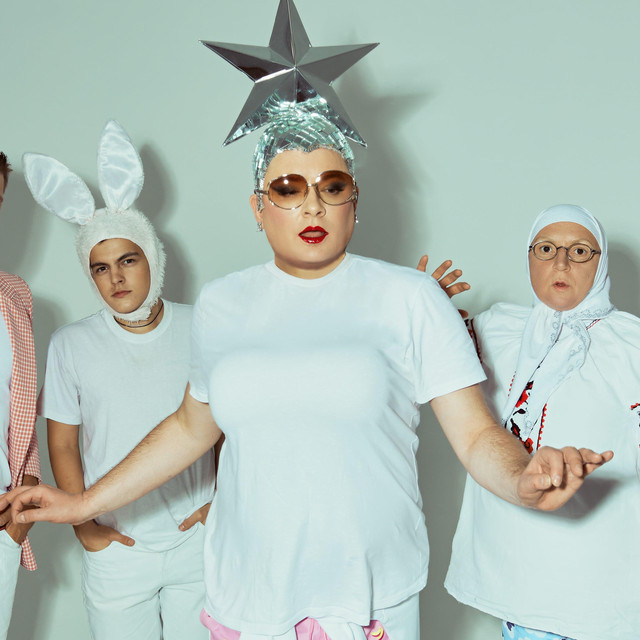
By the 2000s, Ukrainian pop had found a new international channel through the Eurovision Song Contest, which significantly boosted its visibility. Charismatic performers who became ambassadors of Ukrainian pop included Verka Serduchka, a flamboyant alter ego created by Andriy Danylko, whose high-energy act and catchy anthem helped put Ukrainian pop on the European map. Another cornerstone was Ani Lorak, whose poised, radio-friendly ballads and pop anthems helped Ukraine become a familiar name for European audiences. These figures demonstrated that Ukrainian pop could be both theatrically entertaining and commercially viable on a continental stage, not just a regional sound.
The 2010s brought a new wave of acts that refined the genre’s contemporary DNA: sleek vocal lines, strong hooks, and production that blends house, EDM, and tropical-pop textures with Ukrainian flair. A standout example is KAZKA, whose breakout hit “Plakala” fused stomping percussion with a plaintive vocal deliverance, becoming a huge hit across Ukraine and beyond, and signaling the power of Ukrainian-language pop in the streaming era. Other important currents came from groups and acts like The Hardkiss, ONUKA, and Go_A, who mixed electronic music, folk motifs, and experimental textures to push Ukrainian pop into more adventurous territory. Go_A’s Eurovision entry in 2021, with a modern blend of folk-inspired electronics, underscored how Ukrainian pop could stay rooted in language and tradition while speaking to global audiences.
Today, Ukrainian pop travels well beyond its borders. It enjoys strong popularity in Ukraine and among Ukrainian-speaking communities in Russia, Belarus, Poland, and parts of Central Europe, with growing followings in North America, and Western Europe via streaming platforms and live showcases. The genre’s ambassadors—artists like Verka Serduchka, Ani Lorak, Tina Karol, Go_A, ONUKA, and KAZKA—continue to exemplify its mix of catchy tunes, cultural pride, and fearless experimentation. Ukrainian pop remains a dynamic portrait of a country that refuses to stand still, always ready to reinvent itself with a chorus, a dance beat, and a hint of the homeland’s textures.
The genre’s modern roots lie in the late 1980s and early 1990s, as Ukraine shook off its Soviet-era constraints and began to forge a distinctly national popular culture. Pop music in this period absorbed global trends—synth-pop, dance, and R&B—while gradually incorporating Ukrainian language, melodies, and traditional modes of storytelling. Early icons helped establish a template: artists who could sing in Ukrainian or Russian and still connect with wide audiences, pairing memorable hooks with moments of cultural resonance. Over time, the Ukrainian pop scene evolved into a robust ecosystem of songwriters, producers, music videos, and national TV competition platforms that kept pushing stylistic boundaries.
By the 2000s, Ukrainian pop had found a new international channel through the Eurovision Song Contest, which significantly boosted its visibility. Charismatic performers who became ambassadors of Ukrainian pop included Verka Serduchka, a flamboyant alter ego created by Andriy Danylko, whose high-energy act and catchy anthem helped put Ukrainian pop on the European map. Another cornerstone was Ani Lorak, whose poised, radio-friendly ballads and pop anthems helped Ukraine become a familiar name for European audiences. These figures demonstrated that Ukrainian pop could be both theatrically entertaining and commercially viable on a continental stage, not just a regional sound.
The 2010s brought a new wave of acts that refined the genre’s contemporary DNA: sleek vocal lines, strong hooks, and production that blends house, EDM, and tropical-pop textures with Ukrainian flair. A standout example is KAZKA, whose breakout hit “Plakala” fused stomping percussion with a plaintive vocal deliverance, becoming a huge hit across Ukraine and beyond, and signaling the power of Ukrainian-language pop in the streaming era. Other important currents came from groups and acts like The Hardkiss, ONUKA, and Go_A, who mixed electronic music, folk motifs, and experimental textures to push Ukrainian pop into more adventurous territory. Go_A’s Eurovision entry in 2021, with a modern blend of folk-inspired electronics, underscored how Ukrainian pop could stay rooted in language and tradition while speaking to global audiences.
Today, Ukrainian pop travels well beyond its borders. It enjoys strong popularity in Ukraine and among Ukrainian-speaking communities in Russia, Belarus, Poland, and parts of Central Europe, with growing followings in North America, and Western Europe via streaming platforms and live showcases. The genre’s ambassadors—artists like Verka Serduchka, Ani Lorak, Tina Karol, Go_A, ONUKA, and KAZKA—continue to exemplify its mix of catchy tunes, cultural pride, and fearless experimentation. Ukrainian pop remains a dynamic portrait of a country that refuses to stand still, always ready to reinvent itself with a chorus, a dance beat, and a hint of the homeland’s textures.