Genre
australian techno
Top Australian techno Artists
Showing 4 of 4 artists



About Australian techno
Australian techno is a nocturnal, machine-driven branch of the global techno family, born in the early 1990s out of Australia’s thriving underground club scene. In cities like Melbourne, Sydney and later Perth, warehouse parties and basement raves became laboratories where European techno’s relentless groove met a distinct Australian appetite for punchy bass, precise drum programming, and hypnotic repetition. What emerged was not a copy of Berlin or Detroit, but a local voice that treated techno as a moving architecture—soundscapes built from kick drums, metallic clangs, and evolving textures that could carry a room through hours of sustained focus.
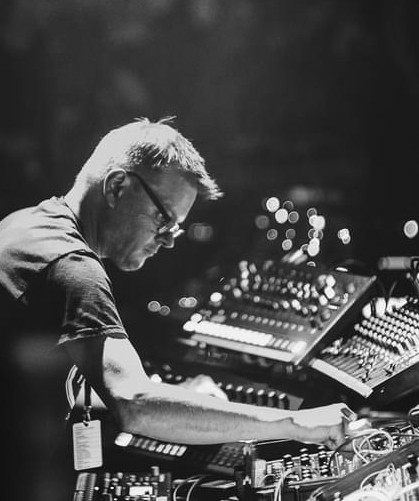
The sound is defined by its tactile, drum-machine-centric approach. Expect tight 909/808-driven four-on-the-floor patterns, crisp snares, and cymbals that shimmer in the high end, often layered with modular synth lines, filtered basses, and occasional acid-inflected passages. Australian techno has shown a knack for minimalism as well as propulsion: tracks can feel spare and hypnotic, or firmly solid and percussive, always with a sense of forward motion. The emphasis on groove, texture, and repetition invites listeners into a trance-like headspace, where small dynamic shifts—an extra hi-hat ping, a filtered sweep, a subtle audio crack—can redefine the entire mood of a set.
Ambassadors and key figures have helped carry Australian techno onto international stages. One name that frequently appears in histories of the scene is Anthony Pappa, a DJ and producer who has long served as a bridge between Australian producers and global club culture. His work, and the broader wave of Australian artists who started touring overseas in the 2000s and 2010s, helped establish a reputation for technical proficiency, live versatility, and a firm grounding in the European-techno tradition. Beyond him, hundreds of producers from Melbourne, Sydney, and Perth have contributed to a robust ecosystem—labels, collectives, and radio shows that keep the sound active and evolving.
Geographically, the genre is strongest in Australia, where local scenes sustain clubs and events that book techno as a primary language of the night. Internationally, it finds pockets of appreciation in Europe—especially in countries with deep techno histories like Germany, the Netherlands, and the UK—and in North America and parts of Asia where adventurous dance music communities exist. The appeal lies in its disciplined rhythm, its often stark, architectural textures, and the sense that a club night can function as a long-form listening experience as well as a party.
In recent years, the Australian techno scene has continued to evolve with a new generation driven by digital production and global streaming. The result is a more diverse palette—darker, more experimental, and increasingly melodic—while preserving the core ethos: precision in sound design, a driving impetus to move bodies, and a distinctly Australian sense of texture and space. For enthusiasts, Australian techno remains an exciting, living conversation between heritage and innovation.
The sound is defined by its tactile, drum-machine-centric approach. Expect tight 909/808-driven four-on-the-floor patterns, crisp snares, and cymbals that shimmer in the high end, often layered with modular synth lines, filtered basses, and occasional acid-inflected passages. Australian techno has shown a knack for minimalism as well as propulsion: tracks can feel spare and hypnotic, or firmly solid and percussive, always with a sense of forward motion. The emphasis on groove, texture, and repetition invites listeners into a trance-like headspace, where small dynamic shifts—an extra hi-hat ping, a filtered sweep, a subtle audio crack—can redefine the entire mood of a set.
Ambassadors and key figures have helped carry Australian techno onto international stages. One name that frequently appears in histories of the scene is Anthony Pappa, a DJ and producer who has long served as a bridge between Australian producers and global club culture. His work, and the broader wave of Australian artists who started touring overseas in the 2000s and 2010s, helped establish a reputation for technical proficiency, live versatility, and a firm grounding in the European-techno tradition. Beyond him, hundreds of producers from Melbourne, Sydney, and Perth have contributed to a robust ecosystem—labels, collectives, and radio shows that keep the sound active and evolving.
Geographically, the genre is strongest in Australia, where local scenes sustain clubs and events that book techno as a primary language of the night. Internationally, it finds pockets of appreciation in Europe—especially in countries with deep techno histories like Germany, the Netherlands, and the UK—and in North America and parts of Asia where adventurous dance music communities exist. The appeal lies in its disciplined rhythm, its often stark, architectural textures, and the sense that a club night can function as a long-form listening experience as well as a party.
In recent years, the Australian techno scene has continued to evolve with a new generation driven by digital production and global streaming. The result is a more diverse palette—darker, more experimental, and increasingly melodic—while preserving the core ethos: precision in sound design, a driving impetus to move bodies, and a distinctly Australian sense of texture and space. For enthusiasts, Australian techno remains an exciting, living conversation between heritage and innovation.