Genre
australian underground hip hop
Top Australian underground hip hop Artists
Showing 25 of 84 artists

About Australian underground hip hop
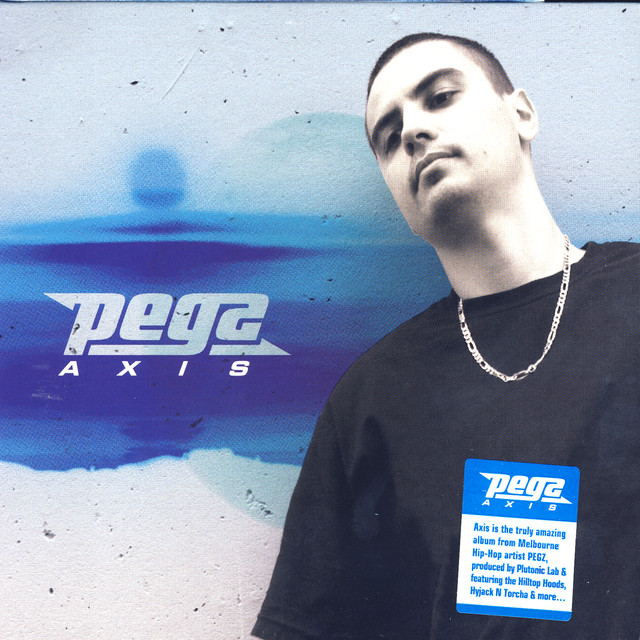
Australian underground hip hop is the country’s fiercest DIY music culture—intimate, lyric-driven, and relentlessly independent. Born of late 1990s club nights, pirate cassettes, and open-mic showcases, it grew parallel to, but apart from, radio-friendly pop rap and the polished mainstream acts. The scene crystallized in Sydney and Melbourne, with early collectives and labels nurturing a sound that prized wordplay, social critique, and inventive production over glossy hooks. Historians often point to Def Wish Cast as among the first to carve a distinctly Australian voice in the underground—storytelling anchored in the suburbia of Blacktown and beyond—while other early crews like The Herd and Downsyde started pushing the country’s hip-hop grammar into more ambitious, multi-lingual and concept-driven territory. By the mid-2000s, independent labels such as Obese Records created a platform for a wave of acts, from Hilltop Hoods and Pegz to Bliss n Eso, Muph & Plutonic and many more, helping to turn Australian hip hop into a recognizable scene rather than a curiosity.
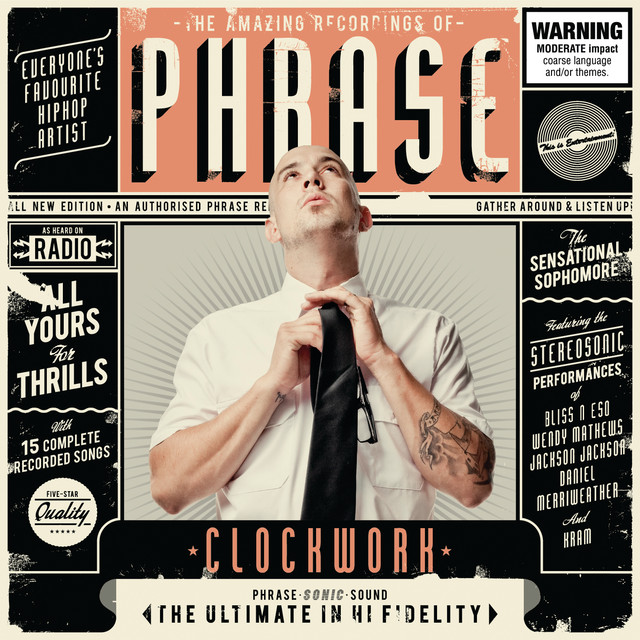
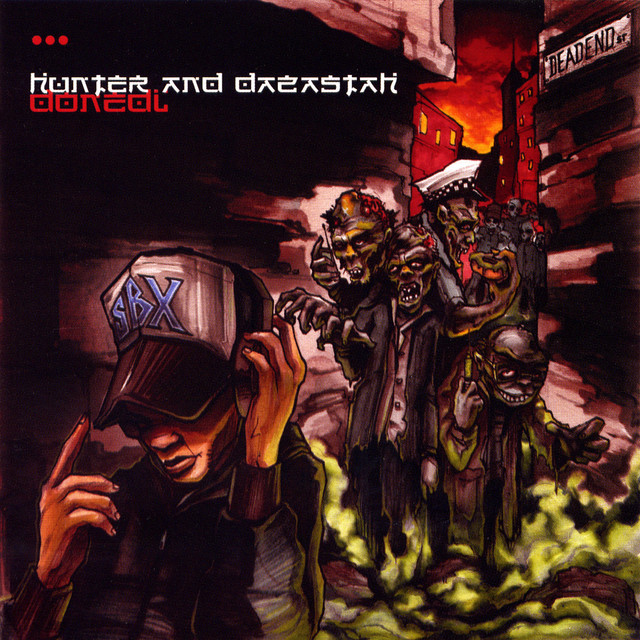
Musically, Australian underground hip hop tends to lean toward boom-bap and jazzy sampling, but it’s also elastic—riffing on electronic textures, live instrumentation, and aggressive vocal cadences. Lyrically, it often embraces introspection, social and political commentary, the immigrant experience, and the daily realities of life away from the cosmopolitan gloss of the bigger scenes. The aesthetics are as much about the album art, zines, and streetwear as about the four-four and snare.
If there’s a contemporary ambassador, it’s the national act that made the biggest crossover impact while staying true to the underground ethos. Hilltop Hoods, formed in Adelaide in the mid-1990s, became the benchmark for Australian hip hop’s potential to reach mainstream audiences without surrendering its identity—ARIA trophies, stadium tours, and collaborations that still reflect their raw, hometown energy. In the 2010s and beyond, artists such as The Herd, Bliss N Eso, Illy, Muph & Plutonic, and newer voices like Sampa The Great and Remi carried the banner overseas, touring Europe and North America and bringing Australian slang, history, and humor to a global audience. Sampa The Great, a Zimbabwean-Australian artist rising from Melbourne, has emerged as a modern global ambassador, connecting Australian underground storytelling with a pan-African and global perspective.
Today, the strongest concentration remains in Australia—cities like Melbourne, Sydney, and Brisbane host ongoing open mics, festivals, and club nights. New Zealand mirrors some of the energy, and there’s a niche but passionate following in the UK and North America among fans who chase Australian crews on tour. The genre’s strength lies in its resilience: a community of artists, producers, and fans that values independence, sharp lyricism, and a sense of place that only Australian streets can provide. Today’s producers blend dusty crate-digging with contemporary software, enabling a new generation to release music directly to fans and build tight-knit communities around local venues and online forums. The result is a living, evolving map of Australia’s underground—where mythic basslines meet intimate storytelling, and where the next generation writes their own chapter, on their own terms, for listeners everywhere.
Musically, Australian underground hip hop tends to lean toward boom-bap and jazzy sampling, but it’s also elastic—riffing on electronic textures, live instrumentation, and aggressive vocal cadences. Lyrically, it often embraces introspection, social and political commentary, the immigrant experience, and the daily realities of life away from the cosmopolitan gloss of the bigger scenes. The aesthetics are as much about the album art, zines, and streetwear as about the four-four and snare.
If there’s a contemporary ambassador, it’s the national act that made the biggest crossover impact while staying true to the underground ethos. Hilltop Hoods, formed in Adelaide in the mid-1990s, became the benchmark for Australian hip hop’s potential to reach mainstream audiences without surrendering its identity—ARIA trophies, stadium tours, and collaborations that still reflect their raw, hometown energy. In the 2010s and beyond, artists such as The Herd, Bliss N Eso, Illy, Muph & Plutonic, and newer voices like Sampa The Great and Remi carried the banner overseas, touring Europe and North America and bringing Australian slang, history, and humor to a global audience. Sampa The Great, a Zimbabwean-Australian artist rising from Melbourne, has emerged as a modern global ambassador, connecting Australian underground storytelling with a pan-African and global perspective.
Today, the strongest concentration remains in Australia—cities like Melbourne, Sydney, and Brisbane host ongoing open mics, festivals, and club nights. New Zealand mirrors some of the energy, and there’s a niche but passionate following in the UK and North America among fans who chase Australian crews on tour. The genre’s strength lies in its resilience: a community of artists, producers, and fans that values independence, sharp lyricism, and a sense of place that only Australian streets can provide. Today’s producers blend dusty crate-digging with contemporary software, enabling a new generation to release music directly to fans and build tight-knit communities around local venues and online forums. The result is a living, evolving map of Australia’s underground—where mythic basslines meet intimate storytelling, and where the next generation writes their own chapter, on their own terms, for listeners everywhere.