Genre
austrian classical piano
Top Austrian classical piano Artists
Showing 6 of 6 artists


About Austrian classical piano
Austrian classical piano is not just a descriptor but a historical thread running through Vienna’s vibrant musical life from the late eighteenth century onward. Born of the Classical era in Austria, it centers on the keyboard works that defined form, balance and refined pianism for generations of listeners. In the era when the fortepiano replaced the harpsichord, Vienna became the workshop where Mozart, Haydn and later Beethoven forged a language that would shape piano music for centuries.
Haydn’s robust keyboard sonatas and imaginative writing for the instrument, Mozart’s prodigious piano output—sonatas, concertos and virtuosic sets that fuse elegance with drama—and Beethoven’s revolutionary development of form, expression and technical scope anchored in Vienna, while Schubert, though more Romantic, extended the tradition with lyric melodies and acute harmonic imagination.
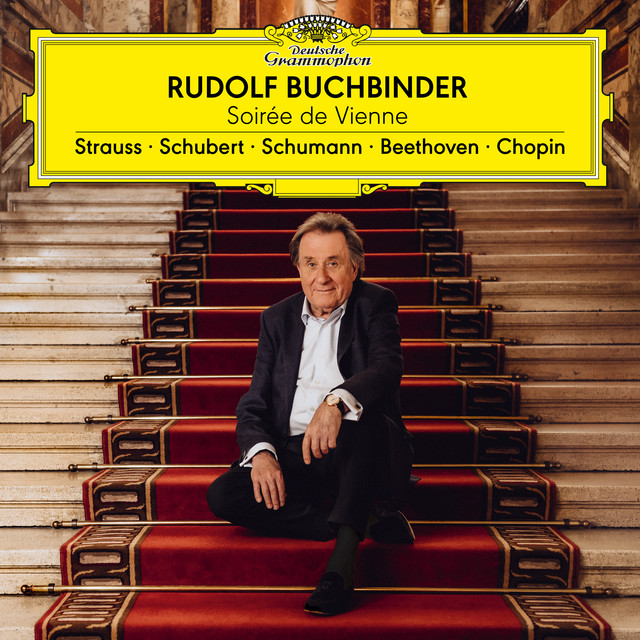
Among living tradition, Austrian pianists have carried this repertoire forward. Alfred Brendel, born in Vienna in 1931, became one of the century’s defining interpreters of Mozart, Haydn and especially Beethoven, guiding audiences to the music’s architectural logic. Paul Badura-Skoda, another Vienna native, left a monumental legacy through his Mozart and Haydn cycles and his insistence on period-appropriate touch and clarity. Friedrich Gulda expanded the repertoire’s boundaries—an audacious interpreter who could fuse Mozart with jazz influences while preserving classical discipline. Rudolf Buchbinder, a more recent custodian, has offered deep, philosophical readings of Beethoven and Schubert, anchoring contemporary performance in historical roots.
It remains indispensable in Austria and other German-speaking regions, where the repertory is taught in conservatories and performed in state-funded venues like the Musikverein in Vienna and the Mozarteum in Salzburg. Beyond Austria, the tradition has a strong foothold in Germany, Switzerland and the Czech Republic—regions with deep classical pianistic education. In North America and Japan, enthusiasts seek out Mozart, Haydn and Beethoven cycles, chamber concerts and festival series that celebrate the Viennese piano lineage.
Begin with Mozart’s late sonatas and piano concertos, Haydn’s keyboard sonatas, and Beethoven’s heroic sonatas, especially op. 2, op. 31 and op. 53, then move to Schubert’s impromptus and late sonatas for a bridge to Romantic expressiveness. A fortepiano or a modern instrument with a light touch can reveal the instrument’s early colors, and many performers now record with period pianos or in historically informed performance practice. The genre’s enduring appeal lies in its balance, clarity and human warmth—the precision of form married to poetry of line, a musical tradition still vibrant in concert halls and study rooms around the world.
Listeners seeking nuance will notice how Mozart crafts transparent textures, how Haydn jokes with rhythm, and how Beethoven stretches sustain and articulation without losing poise. The Austrian piano tradition also voices chamber music, making intimate dialogues between piano and violin, flute or cello feel inevitable. This lineage influences modern composers who borrow its clarity while exploring contemporary timbres. The genre’s resilience rests on strong teaching, archival recordings, and festivals that pair period instruments with modern concert rings. For enthusiasts, it remains a living invitation to study, perform, and reinterpret with curiosity. Join the tradition, listen, and respond.
Haydn’s robust keyboard sonatas and imaginative writing for the instrument, Mozart’s prodigious piano output—sonatas, concertos and virtuosic sets that fuse elegance with drama—and Beethoven’s revolutionary development of form, expression and technical scope anchored in Vienna, while Schubert, though more Romantic, extended the tradition with lyric melodies and acute harmonic imagination.
Among living tradition, Austrian pianists have carried this repertoire forward. Alfred Brendel, born in Vienna in 1931, became one of the century’s defining interpreters of Mozart, Haydn and especially Beethoven, guiding audiences to the music’s architectural logic. Paul Badura-Skoda, another Vienna native, left a monumental legacy through his Mozart and Haydn cycles and his insistence on period-appropriate touch and clarity. Friedrich Gulda expanded the repertoire’s boundaries—an audacious interpreter who could fuse Mozart with jazz influences while preserving classical discipline. Rudolf Buchbinder, a more recent custodian, has offered deep, philosophical readings of Beethoven and Schubert, anchoring contemporary performance in historical roots.
It remains indispensable in Austria and other German-speaking regions, where the repertory is taught in conservatories and performed in state-funded venues like the Musikverein in Vienna and the Mozarteum in Salzburg. Beyond Austria, the tradition has a strong foothold in Germany, Switzerland and the Czech Republic—regions with deep classical pianistic education. In North America and Japan, enthusiasts seek out Mozart, Haydn and Beethoven cycles, chamber concerts and festival series that celebrate the Viennese piano lineage.
Begin with Mozart’s late sonatas and piano concertos, Haydn’s keyboard sonatas, and Beethoven’s heroic sonatas, especially op. 2, op. 31 and op. 53, then move to Schubert’s impromptus and late sonatas for a bridge to Romantic expressiveness. A fortepiano or a modern instrument with a light touch can reveal the instrument’s early colors, and many performers now record with period pianos or in historically informed performance practice. The genre’s enduring appeal lies in its balance, clarity and human warmth—the precision of form married to poetry of line, a musical tradition still vibrant in concert halls and study rooms around the world.
Listeners seeking nuance will notice how Mozart crafts transparent textures, how Haydn jokes with rhythm, and how Beethoven stretches sustain and articulation without losing poise. The Austrian piano tradition also voices chamber music, making intimate dialogues between piano and violin, flute or cello feel inevitable. This lineage influences modern composers who borrow its clarity while exploring contemporary timbres. The genre’s resilience rests on strong teaching, archival recordings, and festivals that pair period instruments with modern concert rings. For enthusiasts, it remains a living invitation to study, perform, and reinterpret with curiosity. Join the tradition, listen, and respond.