Genre
austrian orchestra
Top Austrian orchestra Artists
Showing 18 of 18 artists

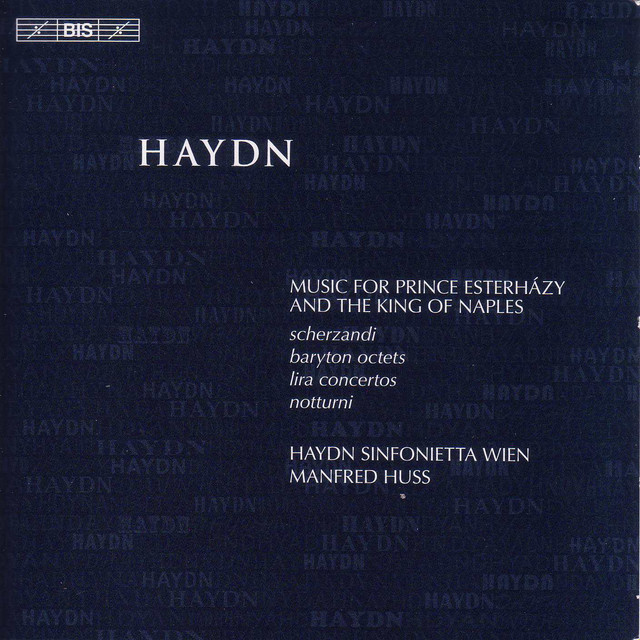
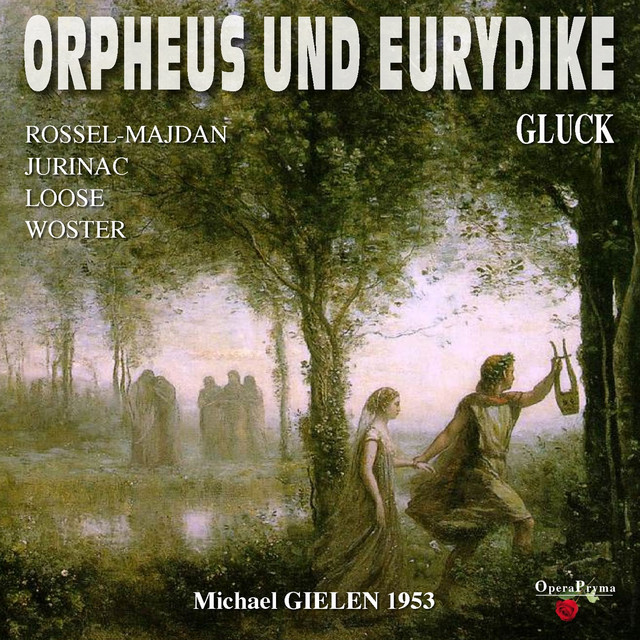

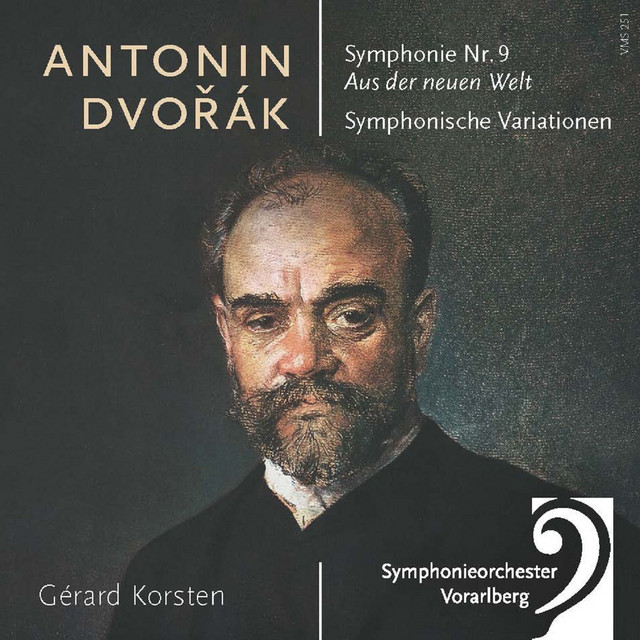
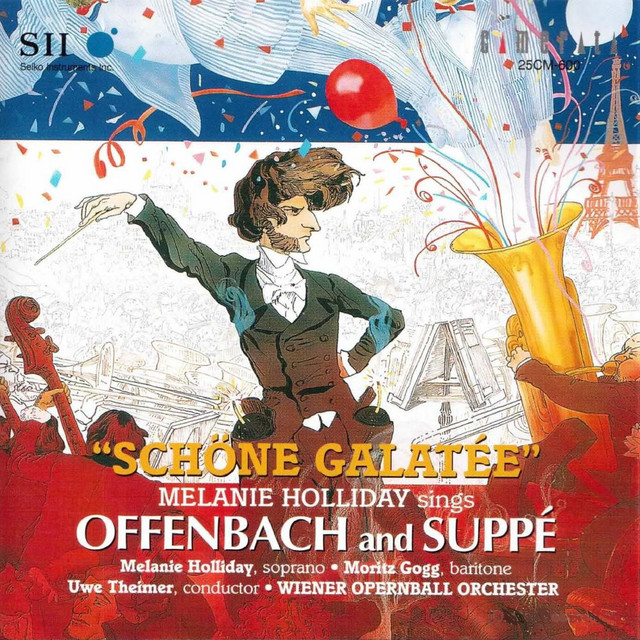




About Austrian orchestra
Not a formal music-genre in the strictest sense, the term “Austrian orchestra” points to a long-standing national orchestral tradition anchored in Vienna and across Austria. It’s a living tapestry that spans the Classical, Romantic, and modern eras, and it’s defined as much by place as by a distinctive approach to orchestral color, structure, and expression.
Origins and birth of the tradition
The Austrian orchestral idea grows from Vienna’s 18th-century court culture, where patrons, composers, and virtuoso players cultivated a refined yet expansive sound. In the Classical period, composers such as Joseph Haydn, Wolfgang Amadeus Mozart, and later Ludwig van Beethoven helped crystallize the symphony and the orchestral idiom in a way that would become central to Austrian musical identity. The traditional Viennese orchestra—large but flexible, with a keen sense for balance between strings, winds, and brass—became a model that inspired generations.
Romantic expansion and modern refinement
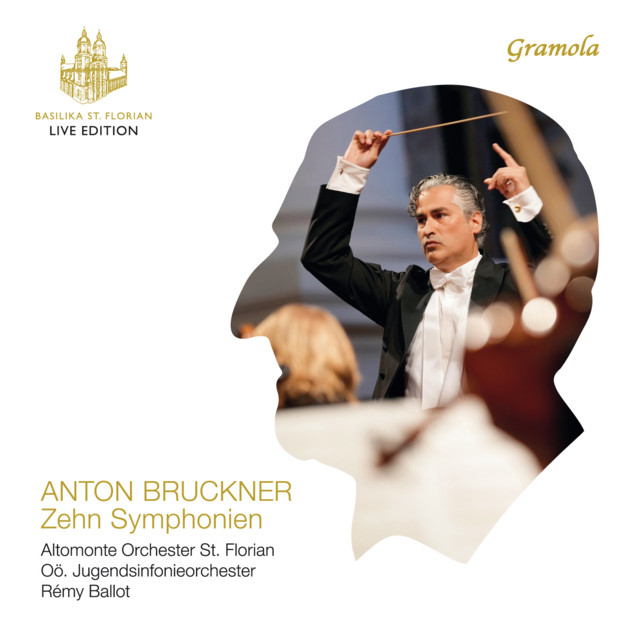
In the 19th century, composers like Anton Bruckner and Gustav Mahler pushed the orchestra to new scales and ambitions. Bruckner’s monumental, cathedral-like symphonies and Mahler’s panoramic, psychologically attentive works expanded the orchestra’s palette—brass, percussion, and especially the woodwinds—while requiring towering structural vision. Moving into the 20th century, Austrian-born composers such as Arnold Schoenberg and his circle broadened the harmonic and formal horizons, while conductors and ensembles associated with Austria helped keep the tradition vital on concert stages worldwide.
Key artists and ambassadors
- Foundational figures: Haydn, Mozart, and Beethoven (the Viennese tradition they helped shape is the backbone of the “Austrian orchestra” sound).
- Romantic giants: Anton Bruckner and Gustav Mahler, whose symphonies are often considered apexes of the Austrian orchestral tradition—symphonies of vast scope, complex architecture, and a scale that invites massive orchestra forces.
- Modern and contemporary voices: Arnold Schoenberg and his circle (Webern, Berg) advanced orchestration in the 20th century; Nikolaus Harnoncourt and others revived early music practices with a distinctly Austrian sensibility.
- Major interpretive voices: conductors and institutions that have become synonymous with the Austrian sound include the Vienna Philharmonic Orchestra, the Austrian Radio Symphony Orchestra (RSO Vienna), and acclaimed performers and conductors who carry the tradition to global stages.
Geography and popularity
Austria remains the heartland—home to world-famous venues such as the Musikverein in Vienna and the Konzerthaus, where Austrian orchestral groups define the concert-going experience. The tradition is also highly influential in neighboring German-speaking countries (Germany, Switzerland, parts of Central Europe) and widely respected across Europe. Outside Europe, the Austrian orchestral lineage is celebrated in the United States, Japan, and other classical-music hubs, where major orchestras tour with Viennese maestros, and where recordings and broadcasts preserve the “Austrian” approach to orchestral color, clarity, and formal discipline.
Sound and character
The Austrian orchestral voice tends toward refined balance, transparent textures, and a cultivated blend of lyricism and architectural form. It favors polished strings, artful woodwind shading, and a ceremonial clarity in tempos and phrasing—traits that make the repertoire from Haydn to Mahler immediately recognizable as “Austrian.”
In sum, the Austrian orchestra describes a national tradition rather than a single style, a continuum from the Classical courts of Vienna to modern symphonic ambition—an enduring ambassador of symphonic life wherever orchestras seek depth, clarity, and expressive heft.
Origins and birth of the tradition
The Austrian orchestral idea grows from Vienna’s 18th-century court culture, where patrons, composers, and virtuoso players cultivated a refined yet expansive sound. In the Classical period, composers such as Joseph Haydn, Wolfgang Amadeus Mozart, and later Ludwig van Beethoven helped crystallize the symphony and the orchestral idiom in a way that would become central to Austrian musical identity. The traditional Viennese orchestra—large but flexible, with a keen sense for balance between strings, winds, and brass—became a model that inspired generations.
Romantic expansion and modern refinement
In the 19th century, composers like Anton Bruckner and Gustav Mahler pushed the orchestra to new scales and ambitions. Bruckner’s monumental, cathedral-like symphonies and Mahler’s panoramic, psychologically attentive works expanded the orchestra’s palette—brass, percussion, and especially the woodwinds—while requiring towering structural vision. Moving into the 20th century, Austrian-born composers such as Arnold Schoenberg and his circle broadened the harmonic and formal horizons, while conductors and ensembles associated with Austria helped keep the tradition vital on concert stages worldwide.
Key artists and ambassadors
- Foundational figures: Haydn, Mozart, and Beethoven (the Viennese tradition they helped shape is the backbone of the “Austrian orchestra” sound).
- Romantic giants: Anton Bruckner and Gustav Mahler, whose symphonies are often considered apexes of the Austrian orchestral tradition—symphonies of vast scope, complex architecture, and a scale that invites massive orchestra forces.
- Modern and contemporary voices: Arnold Schoenberg and his circle (Webern, Berg) advanced orchestration in the 20th century; Nikolaus Harnoncourt and others revived early music practices with a distinctly Austrian sensibility.
- Major interpretive voices: conductors and institutions that have become synonymous with the Austrian sound include the Vienna Philharmonic Orchestra, the Austrian Radio Symphony Orchestra (RSO Vienna), and acclaimed performers and conductors who carry the tradition to global stages.
Geography and popularity
Austria remains the heartland—home to world-famous venues such as the Musikverein in Vienna and the Konzerthaus, where Austrian orchestral groups define the concert-going experience. The tradition is also highly influential in neighboring German-speaking countries (Germany, Switzerland, parts of Central Europe) and widely respected across Europe. Outside Europe, the Austrian orchestral lineage is celebrated in the United States, Japan, and other classical-music hubs, where major orchestras tour with Viennese maestros, and where recordings and broadcasts preserve the “Austrian” approach to orchestral color, clarity, and formal discipline.
Sound and character
The Austrian orchestral voice tends toward refined balance, transparent textures, and a cultivated blend of lyricism and architectural form. It favors polished strings, artful woodwind shading, and a ceremonial clarity in tempos and phrasing—traits that make the repertoire from Haydn to Mahler immediately recognizable as “Austrian.”
In sum, the Austrian orchestra describes a national tradition rather than a single style, a continuum from the Classical courts of Vienna to modern symphonic ambition—an enduring ambassador of symphonic life wherever orchestras seek depth, clarity, and expressive heft.