Genre
bachata
Top Bachata Artists
Showing 25 of 1,421 artists

About Bachata
Bachata is a Dominican-born music genre that carries a wishful, bittersweet pulse and a clear sense of storytelling. It crystallized in the Dominican Republic during the mid-20th century, emerging from urban and rural communities where bolero-like guitar lines, African-inspired percussion, and social longing mingled in intimate social gatherings. The name bachata, in its early days, referred to informal, home-grown jams and dances—a social “bachata” where people sang and played guitar while sharing stories of love, loss, and longing. Over the decades it evolved from its humble roots into a polished, globally influential sound.
Musically, bachata is characterized by a guitarist-led voice that carries the melody, joined by percussion such as bongos and güira, and often a walking bass that anchors the rhythm. Traditional forms leaned on nylon-string guitar, a clave-like four-beat feel, and lyrics rooted in romance, heartbreak, and emotional resilience. In the late 20th century, the genre absorbed more modern textures: electric guitars, punchy basslines, and pop-leaning production gradually broadened its appeal. This evolution gave rise to two broad strands: the romantic, guitar-driven bachata as a conversation between lovers, and a more contemporary, rhythm-forward bachata that invited urban and pop sensibilities without losing its core emotional voice.
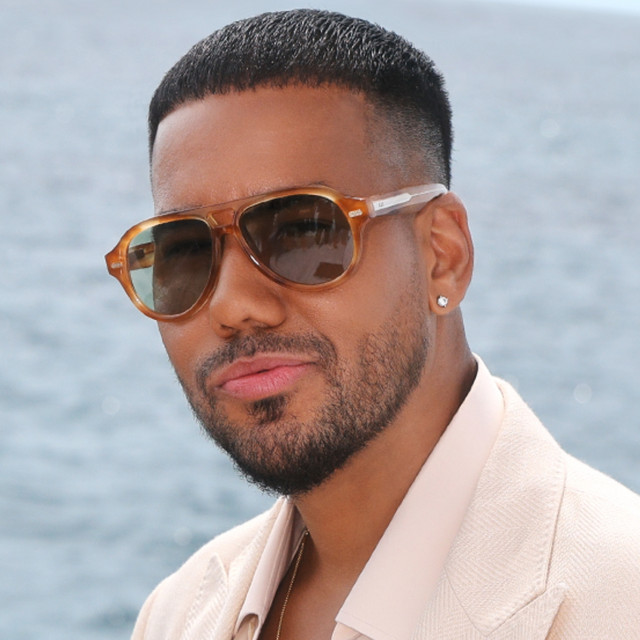
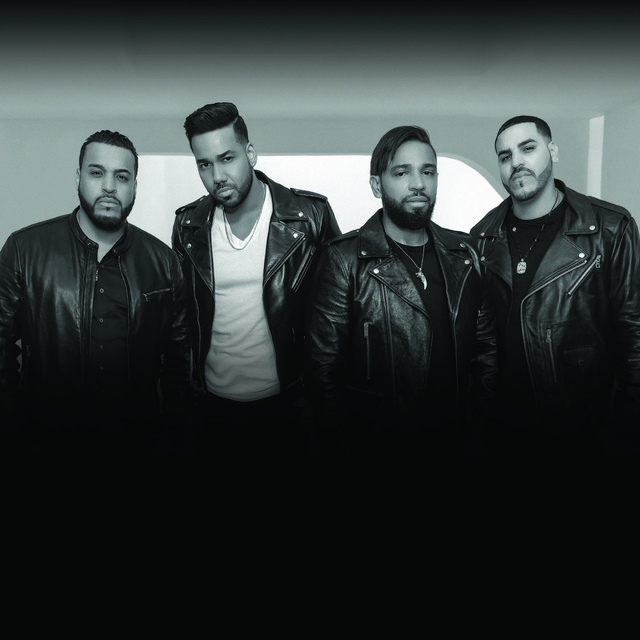
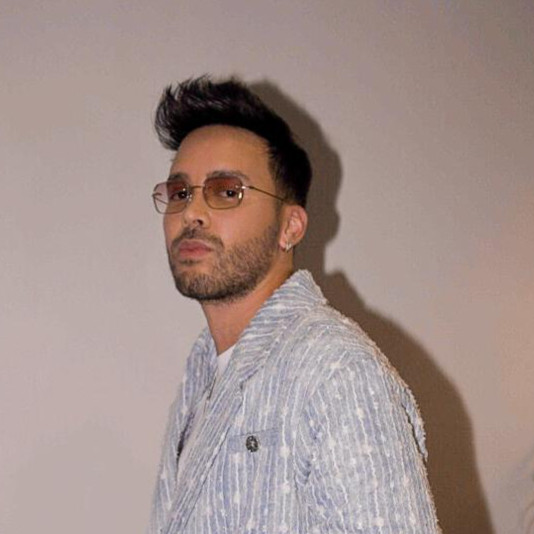
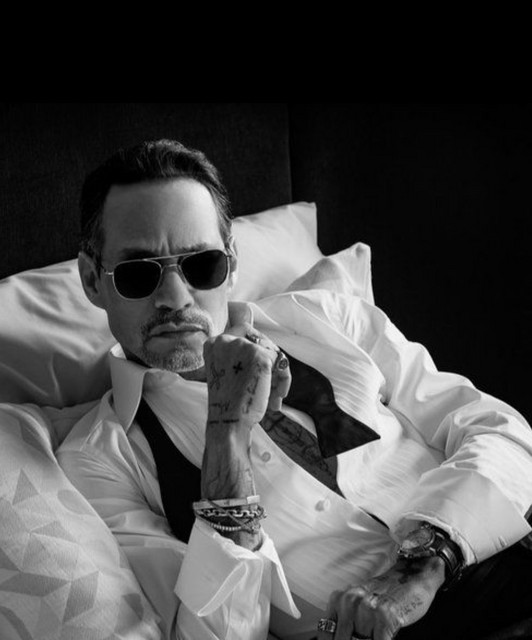
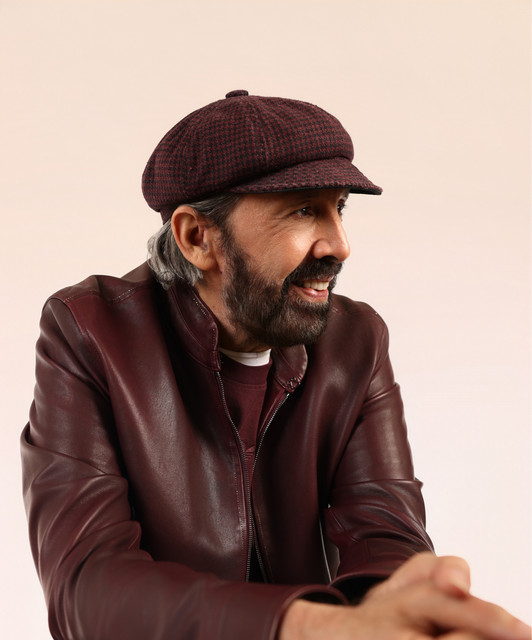
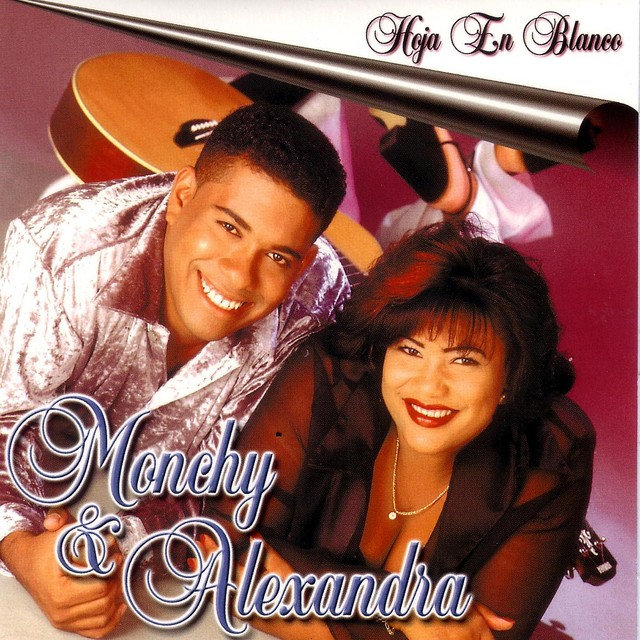
Bachata’s ambassadors are a roll call of pivotal artists. In the late 1980s and 1990s, Antony Santos (often called “El Mayimbe de la Bachata”) and Luis Vargas helped shape the traditional bachata sound, laying the groundwork for younger generations. Later, groups like Monchy & Alexandra brought cadence and lush romantic narratives to a wider audience, expanding the duet format. The genre’s mainstream breakthrough is widely attributed to Juan Luis Guerra, whose 1990 albums Bachata Rosa and its hits fused bachata with tropical pop and sophisticated songwriting, elevating bachata to international consciousness. In the 2000s, the rise of Aventura—led by Romeo Santos—transformed bachata into a global crossover, blending R&B and hip-hop influences with Dominican feeling, especially with songs like Obsesión. Solo stars such as Romeo Santos and Prince Royce became enduring icons, carrying bachata into club play, radio, and streaming worldwide.
Bachata today is popular far beyond the Dominican Republic. Its strongest sustained footprints are in the United States, particularly New York’s Dominican and wider Latino communities, and in Florida and New Jersey, where diaspora audiences helped sustain the sound. It has found fervent audiences in Spain, Colombia, Peru, and other Latin American countries, with clubs, festivals, and radio playlists dedicated to its evolving forms. The genre has also begun weaving with other styles—reggaeton, urban pop, and tropical rhythms—creating subgenres such as modern bachata and, for some listeners, a more sensual, dance-driven variant. Regardless of its substyle, bachata remains a vehicle for intimate storytelling, a dance-friendly groove, and a cultural bridge between Dominican roots and a global audience.
Musically, bachata is characterized by a guitarist-led voice that carries the melody, joined by percussion such as bongos and güira, and often a walking bass that anchors the rhythm. Traditional forms leaned on nylon-string guitar, a clave-like four-beat feel, and lyrics rooted in romance, heartbreak, and emotional resilience. In the late 20th century, the genre absorbed more modern textures: electric guitars, punchy basslines, and pop-leaning production gradually broadened its appeal. This evolution gave rise to two broad strands: the romantic, guitar-driven bachata as a conversation between lovers, and a more contemporary, rhythm-forward bachata that invited urban and pop sensibilities without losing its core emotional voice.
Bachata’s ambassadors are a roll call of pivotal artists. In the late 1980s and 1990s, Antony Santos (often called “El Mayimbe de la Bachata”) and Luis Vargas helped shape the traditional bachata sound, laying the groundwork for younger generations. Later, groups like Monchy & Alexandra brought cadence and lush romantic narratives to a wider audience, expanding the duet format. The genre’s mainstream breakthrough is widely attributed to Juan Luis Guerra, whose 1990 albums Bachata Rosa and its hits fused bachata with tropical pop and sophisticated songwriting, elevating bachata to international consciousness. In the 2000s, the rise of Aventura—led by Romeo Santos—transformed bachata into a global crossover, blending R&B and hip-hop influences with Dominican feeling, especially with songs like Obsesión. Solo stars such as Romeo Santos and Prince Royce became enduring icons, carrying bachata into club play, radio, and streaming worldwide.
Bachata today is popular far beyond the Dominican Republic. Its strongest sustained footprints are in the United States, particularly New York’s Dominican and wider Latino communities, and in Florida and New Jersey, where diaspora audiences helped sustain the sound. It has found fervent audiences in Spain, Colombia, Peru, and other Latin American countries, with clubs, festivals, and radio playlists dedicated to its evolving forms. The genre has also begun weaving with other styles—reggaeton, urban pop, and tropical rhythms—creating subgenres such as modern bachata and, for some listeners, a more sensual, dance-driven variant. Regardless of its substyle, bachata remains a vehicle for intimate storytelling, a dance-friendly groove, and a cultural bridge between Dominican roots and a global audience.