Genre
bahamian folk
Top Bahamian folk Artists
Showing 18 of 18 artists
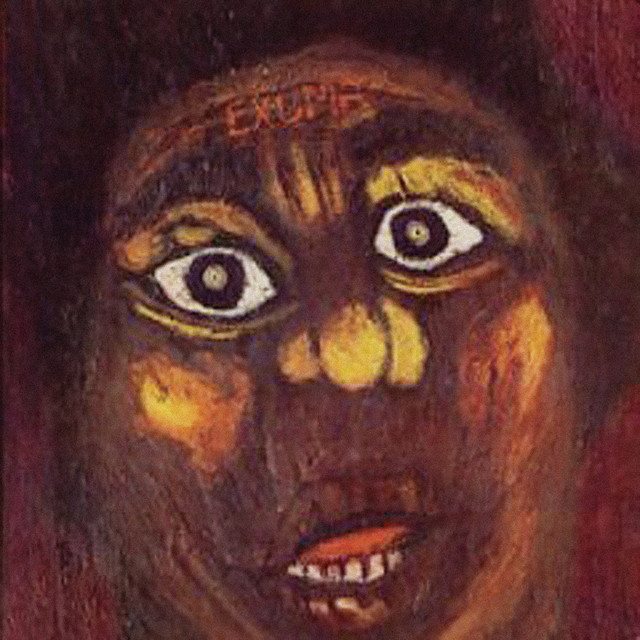


About Bahamian folk
Bahamian folk is a vivid, rhythmic thread in the tapestry of Caribbean music. It sits at the crossroads of island life, storytelling, and communal celebration, carrying echoes of West African rhythms, maritime work songs, and local Bahamian humor. Rather than a single fixed genre, Bahamian folk describes a family of traditional forms in the Bahamas—most prominently rake and scrape, goombay, and the song-dance energies that fuel Junkanoo parades. It’s music that invites participation, call-and-response singing, and a shared sense of place.
Origins and development
The roots of Bahamian folk reach back to the 19th and early 20th centuries, when African-derived rhythms blended with Caribbean and European influences. Rake and scrape, perhaps the best-known Bahamian folk style, grew from the everyday work songs of fishermen, boat builders, and laborers. It is characterized by a small ensemble that centers around percussion and a melodically flexible lead—often an instrument like a fiddle, a guitar, or a saw used as a scraper. The “rake” part comes from the rhythm and hands-on vocal tradition, while the “scrape” is literally the sound produced by scraping a blade or saw to generate a bright, continuous tone. Goombay, another pillar of the tradition, centers on the goombay drum (usually a large, goatskin bass drum) and associated ribald, humorous, or narrative vocals. Over time these forms absorbed calypso and mento influences from the wider Caribbean context and contributed to the festive instincts of Junkanoo, Bahamas’ most famous street parade.
Sound and defining traits
Bahamian folk thrives on percussion and storytelling. The percussion toolkit—goombay drums, rattles, and scrapers—drives the danceable core, while melodies float over the groove with call-and-response phrasing. Lyrics often revolve around island life, love, humor, work, and local legends, delivered in a vocal style that can be direct, witty, or lilting in the Bahamian dialect. The music is rooted in community: performances are common in village gatherings, street corners, and festival spaces, where audience participation shapes the rhythm and the mood. Modern revivals of rake and scrape have kept the tradition fresh by mixing traditional instrumentation with contemporary textures, ensuring it remains a living, evolving art form rather than a museum piece.
Ambassadors and key figures
Ronnie Butler is widely celebrated as a central ambassador of Bahamian music and, by many, the Godfather of Bahamas music. His work helped bring Bahamian sounds into the national consciousness and beyond, bridging traditional folk forms with more contemporary appeal. Other artists and ensembles have kept the tradition thriving, from community groups that perform goombay and rake-and-scrape in festivals to newer Bahamian musicians who incorporate folk-sounding textures into broader Caribbean and world music contexts. The genre also maintains a strong link to diaspora communities, where Bahamian folk influences continue to inspire new listeners and artists.
Geography and reach
Bahamian folk remains most strongly associated with the Bahamas, where it continues to be a staple of cultural expression, education, and festival life. It resonates with Caribbean music fans who appreciate the island’s storytelling emphasis, infectious percussion, and the communal spirit that defines Junkanoo and related traditions. Outside the Bahamas, interest has grown among world music circles and Caribbean diaspora communities, where scholars, performers, and enthusiasts discover and celebrate its roots and resilience.
In sum, Bahamian folk is a living archive—a music of a people who sing, scrape, and drum their way through daily life and celebration. For enthusiasts, its appeal lies in its immediacy, its storytelling bite, and its capacity to turn a simple gathering into a shared, joyous event.
Origins and development
The roots of Bahamian folk reach back to the 19th and early 20th centuries, when African-derived rhythms blended with Caribbean and European influences. Rake and scrape, perhaps the best-known Bahamian folk style, grew from the everyday work songs of fishermen, boat builders, and laborers. It is characterized by a small ensemble that centers around percussion and a melodically flexible lead—often an instrument like a fiddle, a guitar, or a saw used as a scraper. The “rake” part comes from the rhythm and hands-on vocal tradition, while the “scrape” is literally the sound produced by scraping a blade or saw to generate a bright, continuous tone. Goombay, another pillar of the tradition, centers on the goombay drum (usually a large, goatskin bass drum) and associated ribald, humorous, or narrative vocals. Over time these forms absorbed calypso and mento influences from the wider Caribbean context and contributed to the festive instincts of Junkanoo, Bahamas’ most famous street parade.
Sound and defining traits
Bahamian folk thrives on percussion and storytelling. The percussion toolkit—goombay drums, rattles, and scrapers—drives the danceable core, while melodies float over the groove with call-and-response phrasing. Lyrics often revolve around island life, love, humor, work, and local legends, delivered in a vocal style that can be direct, witty, or lilting in the Bahamian dialect. The music is rooted in community: performances are common in village gatherings, street corners, and festival spaces, where audience participation shapes the rhythm and the mood. Modern revivals of rake and scrape have kept the tradition fresh by mixing traditional instrumentation with contemporary textures, ensuring it remains a living, evolving art form rather than a museum piece.
Ambassadors and key figures
Ronnie Butler is widely celebrated as a central ambassador of Bahamian music and, by many, the Godfather of Bahamas music. His work helped bring Bahamian sounds into the national consciousness and beyond, bridging traditional folk forms with more contemporary appeal. Other artists and ensembles have kept the tradition thriving, from community groups that perform goombay and rake-and-scrape in festivals to newer Bahamian musicians who incorporate folk-sounding textures into broader Caribbean and world music contexts. The genre also maintains a strong link to diaspora communities, where Bahamian folk influences continue to inspire new listeners and artists.
Geography and reach
Bahamian folk remains most strongly associated with the Bahamas, where it continues to be a staple of cultural expression, education, and festival life. It resonates with Caribbean music fans who appreciate the island’s storytelling emphasis, infectious percussion, and the communal spirit that defines Junkanoo and related traditions. Outside the Bahamas, interest has grown among world music circles and Caribbean diaspora communities, where scholars, performers, and enthusiasts discover and celebrate its roots and resilience.
In sum, Bahamian folk is a living archive—a music of a people who sing, scrape, and drum their way through daily life and celebration. For enthusiasts, its appeal lies in its immediacy, its storytelling bite, and its capacity to turn a simple gathering into a shared, joyous event.