Genre
bal-musette
Top Bal-musette Artists
Showing 11 of 11 artists




About Bal-musette
Bal-musette is the quintessential Parisian dance music of the early to mid-20th century, a sound that conjures smoky cafés, glittering dance halls, and a restless, urban energy. Born from the crosswinds of immigrant communities in late 19th-century Paris—most notably Italian accordion players who settled in working‑class quartiers—the genre grew into a social phenomenon built around the “bal musette,” a lively evening of dancing and music. The word musette originally referred to a small bagpipe and later to the light, piping timbre of the accordion itself, which would become the genre’s defining instrument.
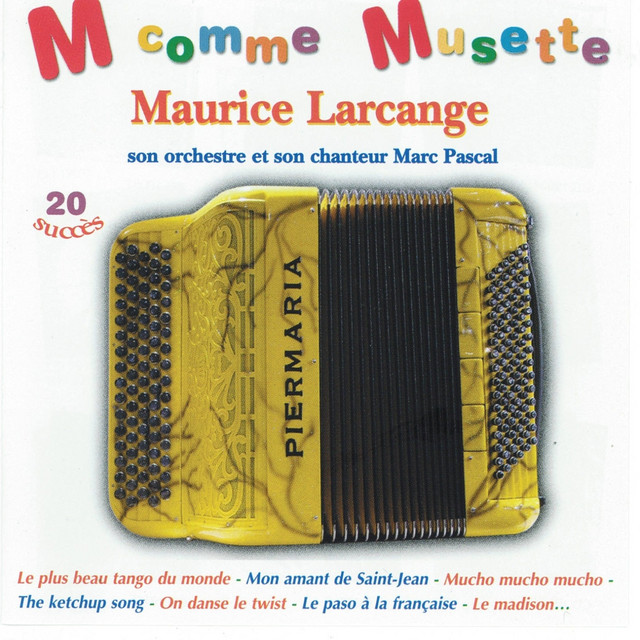
At the heart of bal-musette is the accordion, sturdy and expressive, often paired with clarinet, violin, guitar, and double bass. The right hand carries the melody with a jaunty, singable character, while the left provides a grounded bass supported by a steady rhythm. Tunes oscillate between the melancholic ease of the valse musette (the musette waltz) and the brisk, social tempos that kept dancers moving through the night. The repertoire embraces a variety of dance forms—waltzes, tangos, mazurkas, polkas, and the distinctive Java—each adapted to the intimate, communal atmosphere of the French dance halls. The result is a sound that feels both distinctly Parisian and unmistakably European, a passport to a shared, spoken-in-melody culture.
Historical peaks and iconic figures anchor the genre. Bal-musette flourished most prominently in the interwar years, when Parisian cafés and cabarets became incubators for a uniquely urban musical language. The scene was helped along by legendary accordionists and ensembles that elevated the music to stage and studio. Among the ambassadors most often cited are Yvette Horner, a towering figure who brought virtuosity and showmanship to the instrument and helped globalize the sound; André Verchuren, celebrated as a master of the accordion whose touring and recordings kept bal-musette lively well into the late 20th century; and Gus Viseur, a Belgian-born French accordionist whose contributions to the chromatic accordion and dance-band repertoire made him a touchstone for the bal-musette idiom. Composers and patrons like Vincent Scotto also crafted countless pieces that fed the genre’s dance-floor vitality, weaving musette motifs into everyday Parisian life.
Geographically, bal-musette is most closely associated with France, especially Paris, but its appeal and influence extended beyond national borders. It resonated in neighboring Belgium and Switzerland and found sympathetic audiences among francophone communities in Canada and other parts of Europe. The style also seeded later genres—French chanson, gypsy jazz, and various forms of café‑concert music—keeping the spirit of the musette alive in different guises even after the nightlife that gave it birth began to fade.
Today bal-musette survives as a nostalgic yet influential chapter of modern French musical identity. Enthusiasts study its idioms, perform its characteristic dance rhythms, and celebrate its history through recordings, live revivals, and dedicated dance events. It remains a vivid reminder of how a portable instrument, a shared dance floor, and a city’s cultural mix can fuse into a sound that feels both intimate and inexhaustible.
At the heart of bal-musette is the accordion, sturdy and expressive, often paired with clarinet, violin, guitar, and double bass. The right hand carries the melody with a jaunty, singable character, while the left provides a grounded bass supported by a steady rhythm. Tunes oscillate between the melancholic ease of the valse musette (the musette waltz) and the brisk, social tempos that kept dancers moving through the night. The repertoire embraces a variety of dance forms—waltzes, tangos, mazurkas, polkas, and the distinctive Java—each adapted to the intimate, communal atmosphere of the French dance halls. The result is a sound that feels both distinctly Parisian and unmistakably European, a passport to a shared, spoken-in-melody culture.
Historical peaks and iconic figures anchor the genre. Bal-musette flourished most prominently in the interwar years, when Parisian cafés and cabarets became incubators for a uniquely urban musical language. The scene was helped along by legendary accordionists and ensembles that elevated the music to stage and studio. Among the ambassadors most often cited are Yvette Horner, a towering figure who brought virtuosity and showmanship to the instrument and helped globalize the sound; André Verchuren, celebrated as a master of the accordion whose touring and recordings kept bal-musette lively well into the late 20th century; and Gus Viseur, a Belgian-born French accordionist whose contributions to the chromatic accordion and dance-band repertoire made him a touchstone for the bal-musette idiom. Composers and patrons like Vincent Scotto also crafted countless pieces that fed the genre’s dance-floor vitality, weaving musette motifs into everyday Parisian life.
Geographically, bal-musette is most closely associated with France, especially Paris, but its appeal and influence extended beyond national borders. It resonated in neighboring Belgium and Switzerland and found sympathetic audiences among francophone communities in Canada and other parts of Europe. The style also seeded later genres—French chanson, gypsy jazz, and various forms of café‑concert music—keeping the spirit of the musette alive in different guises even after the nightlife that gave it birth began to fade.
Today bal-musette survives as a nostalgic yet influential chapter of modern French musical identity. Enthusiasts study its idioms, perform its characteristic dance rhythms, and celebrate its history through recordings, live revivals, and dedicated dance events. It remains a vivid reminder of how a portable instrument, a shared dance floor, and a city’s cultural mix can fuse into a sound that feels both intimate and inexhaustible.