Genre
baladas de jazz
Top Baladas de jazz Artists
Showing 25 of 133 artists










About Baladas de jazz
Baladas de jazz are the slow, intimate face of jazz: songs that unfold at a languid tempo, with long melodic lines, lush harmonies, and a focus on lyricism and storytelling. They hinge on the tension between restraint and emotion, inviting players and listeners to savor every microtone. In many cases, baladas de jazz sit at the crossroads of the Great American Songbook—the standards by composers such as Cole Porter, Rodgers and Hart, Hoagy Carmichael, and others—and the improviser’s impulse: a flexible framework for spontaneous invention that never overwhelms the vocal or melodic line. The result is a music of quiet drama, ideal for late-night listening or candlelit performances.
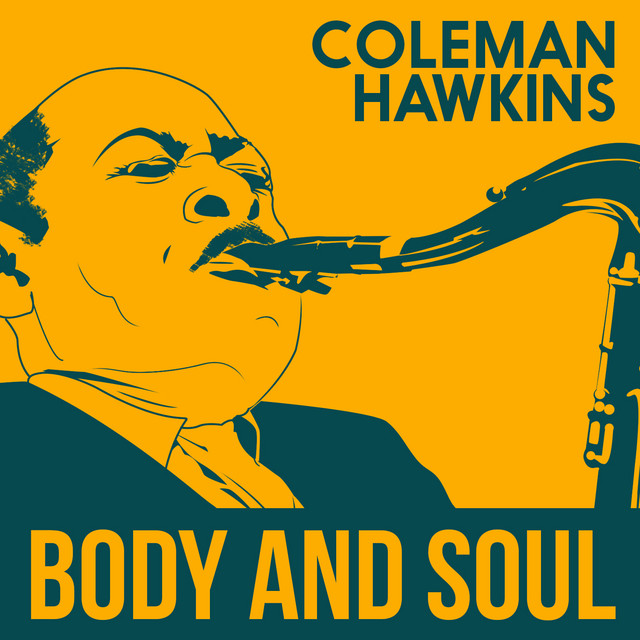
Origins: The ballad as a storytelling device existed long before jazz, but jazz ballads crystallized in the 1930s and 1940s when singers and instrumentalists turned slow tunes into intimate canvases for improvisation. Coleman Hawkins’s Body and Soul (1930) and Duke Ellington’s Mood Indigo became touchstones for a generation of players who learned to compress emotion into a single breath. Vocalists such as Billie Holiday, Ella Fitzgerald, and Nat King Cole expanded the repertoire with declamatory phrasing and precise timing, turning ballads into the emotional core of modern jazz. In the postwar era, the form persisted through cool and post-bop currents; pianists like Bill Evans and Red Garland refined harmonic warmth and space, while trumpeters such as Chet Baker lent a lyrical, conversational quality to many standards.
Ambassadors: The baladas de jazz are voiced by a lineage of singers and instrumentalists who treat the tempo as mood and the melody as conversation. Billie Holiday’s poignant, exacting phrasing; Ella Fitzgerald’s clean articulation and emotional swing; Sarah Vaughan’s velvet, operatic timbre; Chet Baker’s intimate trumpet-and-voice blend; Bill Evans’s introspective piano harmonies; and John Coltrane’s serene ballad work such as Naima stand as benchmarks. Contemporary torchbearers include Diana Krall, Norah Jones, Stacey Kent, and Gregory Porter, who keep the tradition alive while courting new audiences. The repertoire spans vocal standards and instrumental ballads alike, and it travels across borders—Brazilian and Portuguese-speaking artists have interpreted ballads within jazz-inflected arrangements, widening the palette of timbres and rhythms accessible to baladas de jazz fans.
Geography and audience: Baladas de jazz are most at home in the United States, where jazz ballads were born, but they enjoy robust followings in Portugal, Brazil, France, Japan, and beyond. In these scenes, clubs, festivals, and intimate concert spaces program slow, reflective sets that reward breath, nuance, and dynamic contrast. The genre’s appeal endures because it offers a language for tenderness and nostalgia—spaces where lyricism can breathe and improvisation can speak in whispers.
Recommended listening: Body and Soul (Coleman Hawkins, 1930), My Funny Valentine (Rodgers and Hart), Misty (Erroll Garner, 1954), In a Sentimental Mood (Ellington/Strayhorn), The Nearness of You (Carmichael), and Lullaby of Birdland (Shearing). For contemporary takes, try Chet Baker’s You Don’t Know What Love Is, Diana Krall’s The Look of Love, Norah Jones’s Don’t Know Why, and Stacey Kent’s It Might as Well Be Spring. Baladas de jazz invite you to slow down, listen closely, and let the melodies carry the emotion.
Origins: The ballad as a storytelling device existed long before jazz, but jazz ballads crystallized in the 1930s and 1940s when singers and instrumentalists turned slow tunes into intimate canvases for improvisation. Coleman Hawkins’s Body and Soul (1930) and Duke Ellington’s Mood Indigo became touchstones for a generation of players who learned to compress emotion into a single breath. Vocalists such as Billie Holiday, Ella Fitzgerald, and Nat King Cole expanded the repertoire with declamatory phrasing and precise timing, turning ballads into the emotional core of modern jazz. In the postwar era, the form persisted through cool and post-bop currents; pianists like Bill Evans and Red Garland refined harmonic warmth and space, while trumpeters such as Chet Baker lent a lyrical, conversational quality to many standards.
Ambassadors: The baladas de jazz are voiced by a lineage of singers and instrumentalists who treat the tempo as mood and the melody as conversation. Billie Holiday’s poignant, exacting phrasing; Ella Fitzgerald’s clean articulation and emotional swing; Sarah Vaughan’s velvet, operatic timbre; Chet Baker’s intimate trumpet-and-voice blend; Bill Evans’s introspective piano harmonies; and John Coltrane’s serene ballad work such as Naima stand as benchmarks. Contemporary torchbearers include Diana Krall, Norah Jones, Stacey Kent, and Gregory Porter, who keep the tradition alive while courting new audiences. The repertoire spans vocal standards and instrumental ballads alike, and it travels across borders—Brazilian and Portuguese-speaking artists have interpreted ballads within jazz-inflected arrangements, widening the palette of timbres and rhythms accessible to baladas de jazz fans.
Geography and audience: Baladas de jazz are most at home in the United States, where jazz ballads were born, but they enjoy robust followings in Portugal, Brazil, France, Japan, and beyond. In these scenes, clubs, festivals, and intimate concert spaces program slow, reflective sets that reward breath, nuance, and dynamic contrast. The genre’s appeal endures because it offers a language for tenderness and nostalgia—spaces where lyricism can breathe and improvisation can speak in whispers.
Recommended listening: Body and Soul (Coleman Hawkins, 1930), My Funny Valentine (Rodgers and Hart), Misty (Erroll Garner, 1954), In a Sentimental Mood (Ellington/Strayhorn), The Nearness of You (Carmichael), and Lullaby of Birdland (Shearing). For contemporary takes, try Chet Baker’s You Don’t Know What Love Is, Diana Krall’s The Look of Love, Norah Jones’s Don’t Know Why, and Stacey Kent’s It Might as Well Be Spring. Baladas de jazz invite you to slow down, listen closely, and let the melodies carry the emotion.