Genre
balafon
Top Balafon Artists
Showing 24 of 24 artists








About Balafon
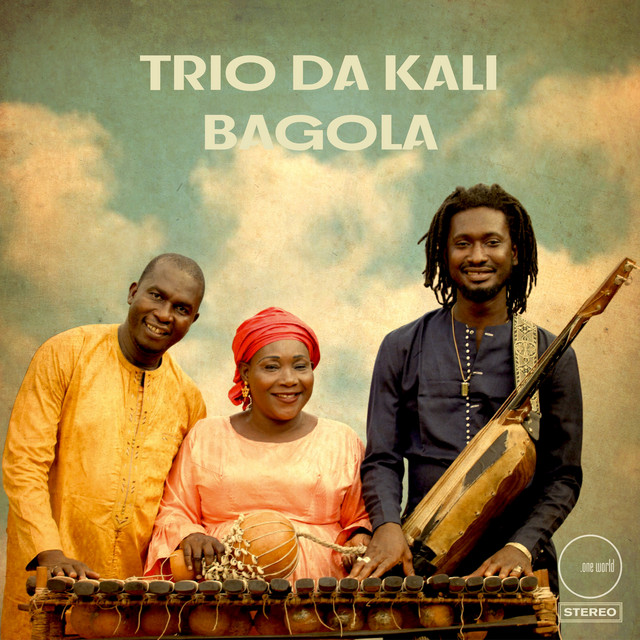
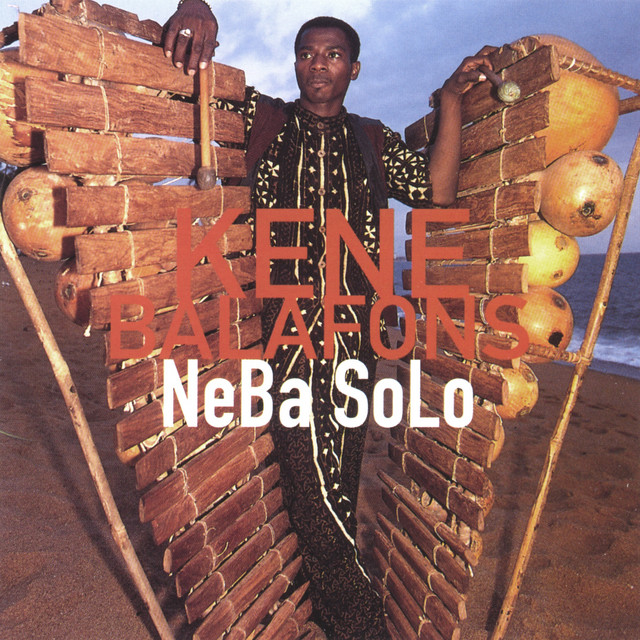
Balafon is not just an instrument in West Africa; it is a carrier of history, storytelling, and communal memory. The balafon is a wooden xylophone whose bars are made from carefully carved hardwood and whose resonators are dried gourds. Played with soft or medium mallets, the instrument sings with a bright, grainy timbre that blends melody and rhythm in a single gesture. Its range can be modest or expansive, depending on the size of the instrument, and many players customize tunings to suit traditional repertoires or contemporary fusions.
Historically, the balafon is deeply tied to the Mandé-speaking world and the jeli (griot) tradition. Griots—historians, praise-singers, and communicators of lineage—have long carried balafon repertoires across courts and villages. Scholars and elders alike place the balafon’s origins in the Mali–Guinea corridor, with centuries of use that predate modern nation-states. By the 18th and 19th centuries, it had become a staple in Mali, Guinea, Burkina Faso, Ivory Coast, and Senegal, performed in ensembles that included ngoni or kora, djembe or other drums, and sometimes voice. In rural settings these performances mark rites of passage, harvest celebrations, and community gatherings; in urban centers they absorb new influences while preserving traditional motifs.
Musically, the balafon offers a synthesis of melody and rhythm. Its melodic lines often weave with the interlocking percussion of drums and the cantillation of voices, yet many players also explore call-and-response textures and improvised passages. In contemporary settings, the balafon travels beyond pure tradition: it appears in cross-cultural collaborations, jazz-inflected ensembles, and world-music productions that fuse African scales with Western harmony and electronic textures. The instrument’s accessibility—its sturdy wooden keys, portable form, and expressive dynamics—makes it a favorite for both solo performances and large ensembles.
Geographically, the balafon is most popular in West Africa, especially Mali, Guinea, Burkina Faso, and Ivory Coast, with strong cultural footprints in Senegal and nearby regions. Its influence has spread to the African diaspora and to global concert circuits, where listeners prize its luminous resonance and the sense of lineage it carries. Modern recordings and touring groups have helped introduce new audiences to the balafon’s timbre, while festivals and academic programs preserve and study traditional repertoires, techniques, and tuning systems.
Ambassadors and key figures of balafon culture combine lineage reverence with individual virtuosity. The instrument has been carried forward by griot families such as the Diabaté and Kouyaté lineages, who maintain the repertory and performance practices across generations. In the 20th and 21st centuries, renowned balafonists like Kélétigui Diabaté helped establish the instrument as a respected concert voice; contemporary players such as Samba Diabaté have broadened its international reach through recordings and collaborations. These artists stand as ambassadors not only of technique but of a living tradition—one that invites listeners to hear history spoken through wood, skin, and resonance.
Historically, the balafon is deeply tied to the Mandé-speaking world and the jeli (griot) tradition. Griots—historians, praise-singers, and communicators of lineage—have long carried balafon repertoires across courts and villages. Scholars and elders alike place the balafon’s origins in the Mali–Guinea corridor, with centuries of use that predate modern nation-states. By the 18th and 19th centuries, it had become a staple in Mali, Guinea, Burkina Faso, Ivory Coast, and Senegal, performed in ensembles that included ngoni or kora, djembe or other drums, and sometimes voice. In rural settings these performances mark rites of passage, harvest celebrations, and community gatherings; in urban centers they absorb new influences while preserving traditional motifs.
Musically, the balafon offers a synthesis of melody and rhythm. Its melodic lines often weave with the interlocking percussion of drums and the cantillation of voices, yet many players also explore call-and-response textures and improvised passages. In contemporary settings, the balafon travels beyond pure tradition: it appears in cross-cultural collaborations, jazz-inflected ensembles, and world-music productions that fuse African scales with Western harmony and electronic textures. The instrument’s accessibility—its sturdy wooden keys, portable form, and expressive dynamics—makes it a favorite for both solo performances and large ensembles.
Geographically, the balafon is most popular in West Africa, especially Mali, Guinea, Burkina Faso, and Ivory Coast, with strong cultural footprints in Senegal and nearby regions. Its influence has spread to the African diaspora and to global concert circuits, where listeners prize its luminous resonance and the sense of lineage it carries. Modern recordings and touring groups have helped introduce new audiences to the balafon’s timbre, while festivals and academic programs preserve and study traditional repertoires, techniques, and tuning systems.
Ambassadors and key figures of balafon culture combine lineage reverence with individual virtuosity. The instrument has been carried forward by griot families such as the Diabaté and Kouyaté lineages, who maintain the repertory and performance practices across generations. In the 20th and 21st centuries, renowned balafonists like Kélétigui Diabaté helped establish the instrument as a respected concert voice; contemporary players such as Samba Diabaté have broadened its international reach through recordings and collaborations. These artists stand as ambassadors not only of technique but of a living tradition—one that invites listeners to hear history spoken through wood, skin, and resonance.