Genre
balalaika
Top Balalaika Artists
Showing 19 of 19 artists




About Balalaika
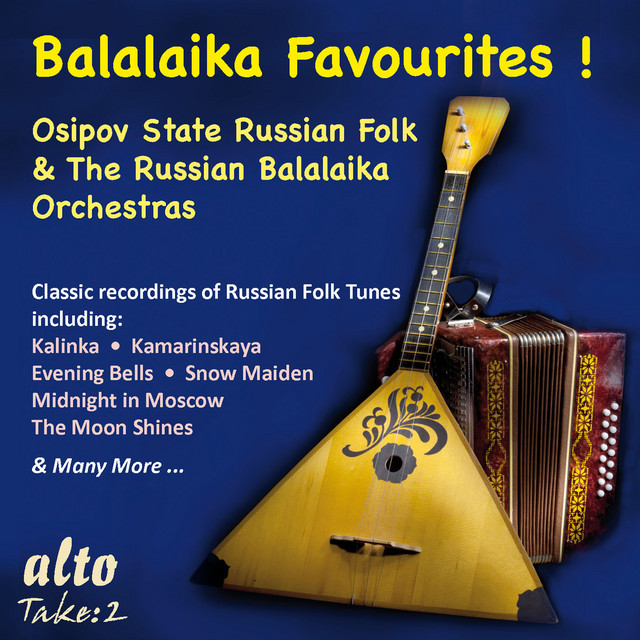
Balalaika music is a radiant thread of Russian folk culture that has grown into a recognizable world music niche. The balalaika, with its triangular wooden body, three strings and bright, percussive attack, anchors a genre defined by quick picking, ringing open chords, and dances that swing between exuberance and nostalgia.
Origins lie in the rural workshops of Russia, particularly around the town of Tula, where craftsmen transformed humble planks into a family of instruments. Early players used the balalaika to accompany village songs and dances; by the late 19th century it had become a symbol of national identity, and composers and ensembles began to write virtuosic pieces for it, expanding its vocabulary beyond simple tunes.
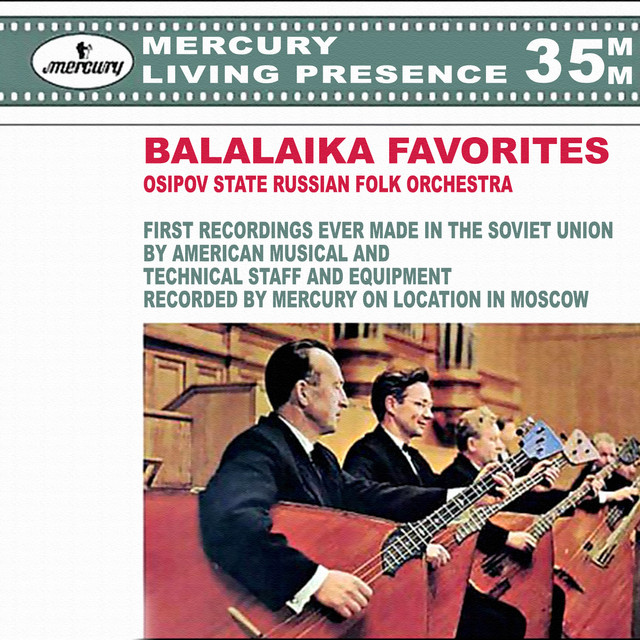
Performance practice favors bright, fast strumming and plucked tremolo; players switch from strummed chords to melodic lines on the treble strings, often driving the rhythm with percussion-like right-hand strokes. The instrument's natural bite sits atop bass notes from larger balalaikas in ensembles, creating a characteristic kaleidoscope of texture.
Historically significant ambassadors include Vasily Andreev, who organized professional balalaika ensembles that showcased the instrument in concert halls and on tour, helping to elevate it from the village square to the stage. Another legendary beacon is the Alexandrov Ensemble (the Red Army Choir), whose balalaika sections became instantly recognizable worldwide, turning traditional tunes into sweeping, cinematic folk‑orchestral narratives. These ensembles helped define a concert repertoire that could sit beside classical works while keeping a distinctly folk soul.
In contemporary times balalaika music spreads beyond Russia, finding devoted audiences across Eastern Europe, the Baltic states, and the Russian diaspora in the United States, Canada, and Western Europe. It also enjoys curiosity in places as far afield as Japan and parts of the Middle East, where world-music audiences celebrate its vivid rhythms and sunny harmonies. The genre thrives in folk festivals, cultural centers, and modern fusion projects that merge balalaika timbres with jazz, rock, tango, or electronic textures. Electric or amplified balalaikas have opened new timbres and solo possibilities, while composers experiment with microtonal tunings and extended techniques, expanding the instrument’s expressive range.
Listening recommendations: seek out traditional balalaika ensembles and the large‑scale concert pieces that feature the full instrument family; compare an intimate primo balalaika with a bass balalaika in a small group; notice how the instrument can carry dance music and eloquent song alike. Balalaika music invites both ear‑friendly virtuosic display and a sense of communal celebration—an audible invitation into Russia’s musical heart that continues to resonate worldwide. Why this genre matters today: Balalaika music embodies a reminder that tradition remains flexible—capable of embracing modern genres without surrendering its core sparkle. It invites players to improvise within tradition, to swap guitar-like chord shapes for pulsing treble lines, and to explore cross-cultural fusions in festivals and online collaborations. For connoisseurs, the sound of a clean primo balalaika paired with a resonant bass is a signature of authenticity; for newcomers, its immediacy—joyful motion, sunlit scales, and a communal spirit—opens a doorway to Russian folk imagination and memory.
Origins lie in the rural workshops of Russia, particularly around the town of Tula, where craftsmen transformed humble planks into a family of instruments. Early players used the balalaika to accompany village songs and dances; by the late 19th century it had become a symbol of national identity, and composers and ensembles began to write virtuosic pieces for it, expanding its vocabulary beyond simple tunes.
Performance practice favors bright, fast strumming and plucked tremolo; players switch from strummed chords to melodic lines on the treble strings, often driving the rhythm with percussion-like right-hand strokes. The instrument's natural bite sits atop bass notes from larger balalaikas in ensembles, creating a characteristic kaleidoscope of texture.
Historically significant ambassadors include Vasily Andreev, who organized professional balalaika ensembles that showcased the instrument in concert halls and on tour, helping to elevate it from the village square to the stage. Another legendary beacon is the Alexandrov Ensemble (the Red Army Choir), whose balalaika sections became instantly recognizable worldwide, turning traditional tunes into sweeping, cinematic folk‑orchestral narratives. These ensembles helped define a concert repertoire that could sit beside classical works while keeping a distinctly folk soul.
In contemporary times balalaika music spreads beyond Russia, finding devoted audiences across Eastern Europe, the Baltic states, and the Russian diaspora in the United States, Canada, and Western Europe. It also enjoys curiosity in places as far afield as Japan and parts of the Middle East, where world-music audiences celebrate its vivid rhythms and sunny harmonies. The genre thrives in folk festivals, cultural centers, and modern fusion projects that merge balalaika timbres with jazz, rock, tango, or electronic textures. Electric or amplified balalaikas have opened new timbres and solo possibilities, while composers experiment with microtonal tunings and extended techniques, expanding the instrument’s expressive range.
Listening recommendations: seek out traditional balalaika ensembles and the large‑scale concert pieces that feature the full instrument family; compare an intimate primo balalaika with a bass balalaika in a small group; notice how the instrument can carry dance music and eloquent song alike. Balalaika music invites both ear‑friendly virtuosic display and a sense of communal celebration—an audible invitation into Russia’s musical heart that continues to resonate worldwide. Why this genre matters today: Balalaika music embodies a reminder that tradition remains flexible—capable of embracing modern genres without surrendering its core sparkle. It invites players to improvise within tradition, to swap guitar-like chord shapes for pulsing treble lines, and to explore cross-cultural fusions in festivals and online collaborations. For connoisseurs, the sound of a clean primo balalaika paired with a resonant bass is a signature of authenticity; for newcomers, its immediacy—joyful motion, sunlit scales, and a communal spirit—opens a doorway to Russian folk imagination and memory.