Genre
balkan beats
Top Balkan beats Artists
Showing 25 of 30 artists





About Balkan beats
Balkan beats is a dynamic fusion that blends traditional Balkan, Romani, and southeastern European folk motifs with modern electronic production, dancefloor fantasy, and global club sensibilities. It’s not one narrow genre but a cross-pollination that brings brass lines, gypsy scales, tarabuka and bouzouki textures into loops, drops, and synth stabs. The result is music that feels both ancient and futuristic—feet tapping to kick drums while melodies swirl with modal wonder.
Origins and birth
The sound coalesced in the early 2000s as Balkan diasporas and European club scenes collided. Traditional brass bands, lively Romani performances, and rustic village dances provided the melodic and rhythmic DNA, while producers and DJs in cities like Berlin, London, Paris, and New York added heavy electronic textures—big-beat grooves, hip-hop breaks, and trancey arpeggios. Two moments stand out as touchstones: the rise of Balkan Beat Box (BBB) with tracks like Hermetico, which married energetic Balkan brass with multilingual, urban sensibilities; and Shantel’s Disko Partizani era, which brought a club-ready, dancefloor-friendly Balkan sound to global audiences. Together these threads helped crystallize what fans now call Balkan beats: a club-ready, world-music-tinged approach to dance music.
Ambassadors and key acts
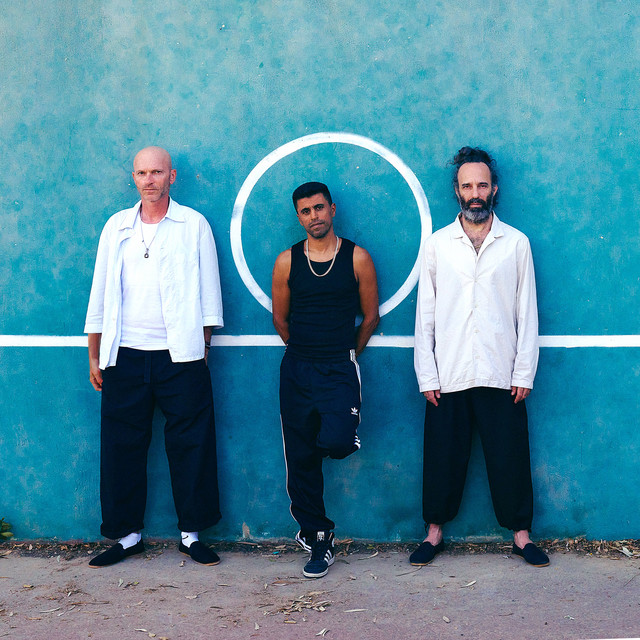
- Balkan Beat Box (Israel/USA roots, active globally) is a flagship project, fronted by Ori Kaplan and Tamir Muskat. Their music blends brass lines, Middle Eastern and Balkan melodies, and electronic production into high-energy anthems.
- Shantel, a German-Dutch DJ and producer, became synonymous with the late-2000s “Balkan club” era through his album and live sets that fuse Balkan sounds with house and disco energy.
- Other influential acts include Dubioza Kolektiv (Bosnia and Herzegovina), who fuse ska, punk, and reggae with Balkan flavors; Gogol Bordello (though often labeled gypsy-punk rather than Balkan beats alone) helped popularize Romani-inflected energy in global clubs.
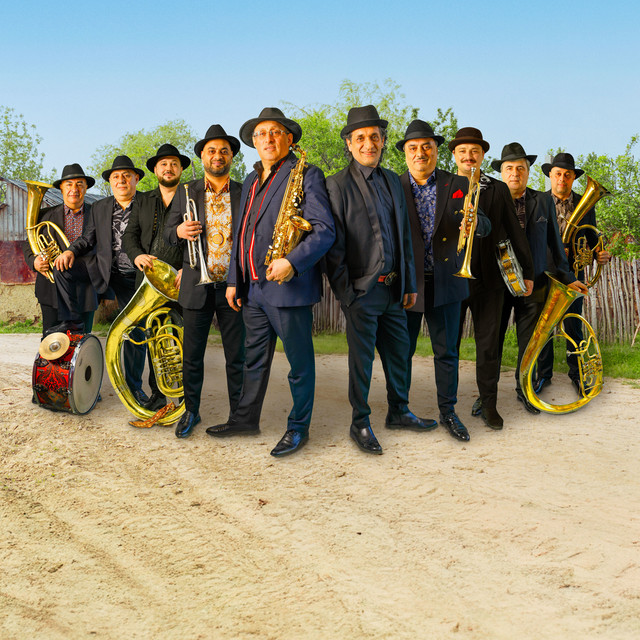
- The broader scene also leans on traditional ensembles like Taraf de Haïduks and other Romani and Balkan folk groups who crossover into electronic contexts through remixes and collaborations.
Where it’s popular
Balkan beats found fertile ground across Europe and beyond. It’s particularly vibrant in Germany (moderately due to Berlin’s club culture), the United Kingdom, the Netherlands, and France, where world-musk rhythms meet club systems. Israel hosts a strong diaspora-driven audience for BBB and related acts. In North America, New York and other urban centers developed appreciative scenes through world-music and electronic-leaning venues. Festivals focused on world music, gypsy, and electronic dance often program Balkan beats, highlighting their cross-cultural appeal.
Musical traits
Expect fast tempos, explosive brass, catchy horn hooks, and vocal motifs drawn from Balkan and Romani singing traditions. Layered with electronic drums, basslines, and sampling, the style often leans into party-energy, dancing, and communal performance. It’s common to hear a blend of live instruments with electronic textures, creating a sound that’s both organic and machine-perfect.
Why it matters to enthusiasts
Balkan beats invites cultural curiosity and dance-floor momentum in one package. It’s a gateway toExplore Balkan folk modes and brass traditions without leaving the club, while still delivering the immediacy and energy of contemporary electronic music. For listeners who crave rhythmic vitality, melodic richness, and a sense of global connection, Balkan beats offers a compelling, genre-blurring experience. Recommended starting points: Shantel’s Disko Partizani, BBB’s Hermetico, and a handful of DJ mixes that fuse Balkan brass with electro-house sensibilities.
Origins and birth
The sound coalesced in the early 2000s as Balkan diasporas and European club scenes collided. Traditional brass bands, lively Romani performances, and rustic village dances provided the melodic and rhythmic DNA, while producers and DJs in cities like Berlin, London, Paris, and New York added heavy electronic textures—big-beat grooves, hip-hop breaks, and trancey arpeggios. Two moments stand out as touchstones: the rise of Balkan Beat Box (BBB) with tracks like Hermetico, which married energetic Balkan brass with multilingual, urban sensibilities; and Shantel’s Disko Partizani era, which brought a club-ready, dancefloor-friendly Balkan sound to global audiences. Together these threads helped crystallize what fans now call Balkan beats: a club-ready, world-music-tinged approach to dance music.
Ambassadors and key acts
- Balkan Beat Box (Israel/USA roots, active globally) is a flagship project, fronted by Ori Kaplan and Tamir Muskat. Their music blends brass lines, Middle Eastern and Balkan melodies, and electronic production into high-energy anthems.
- Shantel, a German-Dutch DJ and producer, became synonymous with the late-2000s “Balkan club” era through his album and live sets that fuse Balkan sounds with house and disco energy.
- Other influential acts include Dubioza Kolektiv (Bosnia and Herzegovina), who fuse ska, punk, and reggae with Balkan flavors; Gogol Bordello (though often labeled gypsy-punk rather than Balkan beats alone) helped popularize Romani-inflected energy in global clubs.
- The broader scene also leans on traditional ensembles like Taraf de Haïduks and other Romani and Balkan folk groups who crossover into electronic contexts through remixes and collaborations.
Where it’s popular
Balkan beats found fertile ground across Europe and beyond. It’s particularly vibrant in Germany (moderately due to Berlin’s club culture), the United Kingdom, the Netherlands, and France, where world-musk rhythms meet club systems. Israel hosts a strong diaspora-driven audience for BBB and related acts. In North America, New York and other urban centers developed appreciative scenes through world-music and electronic-leaning venues. Festivals focused on world music, gypsy, and electronic dance often program Balkan beats, highlighting their cross-cultural appeal.
Musical traits
Expect fast tempos, explosive brass, catchy horn hooks, and vocal motifs drawn from Balkan and Romani singing traditions. Layered with electronic drums, basslines, and sampling, the style often leans into party-energy, dancing, and communal performance. It’s common to hear a blend of live instruments with electronic textures, creating a sound that’s both organic and machine-perfect.
Why it matters to enthusiasts
Balkan beats invites cultural curiosity and dance-floor momentum in one package. It’s a gateway toExplore Balkan folk modes and brass traditions without leaving the club, while still delivering the immediacy and energy of contemporary electronic music. For listeners who crave rhythmic vitality, melodic richness, and a sense of global connection, Balkan beats offers a compelling, genre-blurring experience. Recommended starting points: Shantel’s Disko Partizani, BBB’s Hermetico, and a handful of DJ mixes that fuse Balkan brass with electro-house sensibilities.