Genre
balkan trap
Top Balkan trap Artists
Showing 25 of 44 artists











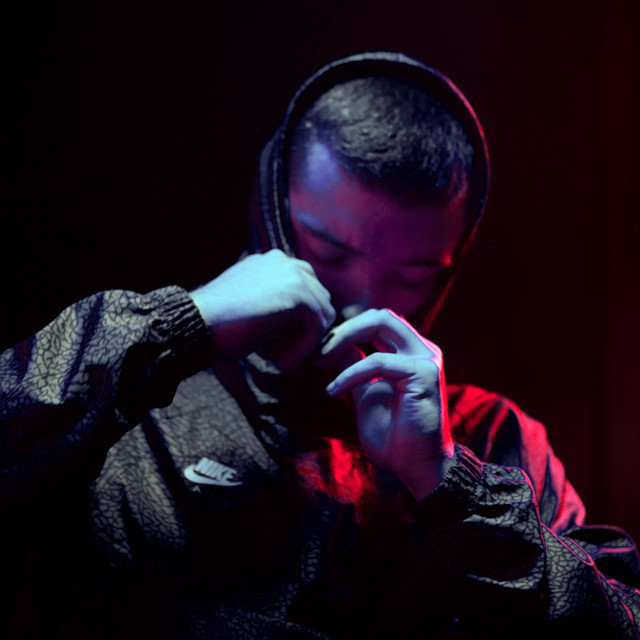

About Balkan trap
Balkan trap is a restless fusion of the hard-edged sensibility of trap with the melodic DNA of the Balkans. It sits at the intersection of street rap, club culture, and regional folk timbres, often wearing the brass, tambura, or saz as a backdrop to booming 808 bass and skittering hi-hats. The result is music that's both club-ready and emotionally intimate, capable of wild dance-floor energy as well as nostalgic, melancholy introspection.
It began to crystalize in the mid-2010s as Balkan producers and rappers started crossing borders—literally and sonically. With the rise of digital distribution and regional collaborations, producers in Serbia, Bosnia and Herzegovina, North Macedonia, Albania and Kosovo started layering traditional melodies and field recordings over trap drum patterns. The Balkan diaspora in Germany, Switzerland and Austria accelerated the spread, turning local experiments into a transnational sound.
Characteristic production includes heavy 808s, punchy kick drums, syncopated hi-hats, and melodic loops built from folk scales or real instrument samples. You might hear treble-plunky clarinets, brass stabs, tambura drones, gusle-inspired melodies, or accordion textures woven into the synthetic cloth. Vocals swing between brag-rap verses, hook-led chant, and sung-chorus lines that catch in the ear like a Balkan pop chorus that learned to spit bars. The tempo often sits around 120–150 BPM, encouraging both head-nodding and full-on dance-floor moves.
Lyric content tends to fuse street realism with diaspora narratives, love and yearning, and party bravado. The genre preserves a distinctly regional flavor through multilingual deliveries—Serbian, Bosnian, Albanian, Macedonian, Turkish and English lines frequently jostle for space—creating a sonic passport that speaks to both local audiences and international listeners curious about Balkan culture without leaving the club.
Popular in the homeland markets—Serbia, Bosnia and Herzegovina, Albania, North Macedonia, Kosovo—and across neighboring Croatia and Slovenia, Balkan trap has also found a robust audience among the Balkan diaspora in Germany and Switzerland, and in Turkey as cross-border collaborations proliferate. Festivals, club nights and online platforms have helped the sound travel from Belgrade basements to European stages, turning it into a recognizable flag in the broader trap world.
Ambassadors and early torchbearers often cited include the Bosnian duo Jala Brat and Buba Corelli, whose collaborations fused Bosnian melodic sensibilities with hard trap drums and glossy pop hooks. They helped set a template later echoed by Albanian-speaking acts and regional producers who blend traditional textures with contemporary club energy. Names like Ledri Vula and Noizy appear as related figures pushing Balkan-flavored trap toward larger audiences through high-energy tracks and cross-genre collaborations.
Looking ahead, Balkan trap continues to mutate. It blends with hyperpop, reggaeton, and Afrobeat hybrids; live instrumentation and field recordings are increasingly sampled in studio sessions; and the diaspora communities keep expanding the map. For enthusiasts, it offers a sonic archive of a region negotiating identity, modernity, and the universal language of a thumping beat. These releases highlight cross-border collaborations, trad-modern fusions, and a Balkan club lexicon worldwide.
It began to crystalize in the mid-2010s as Balkan producers and rappers started crossing borders—literally and sonically. With the rise of digital distribution and regional collaborations, producers in Serbia, Bosnia and Herzegovina, North Macedonia, Albania and Kosovo started layering traditional melodies and field recordings over trap drum patterns. The Balkan diaspora in Germany, Switzerland and Austria accelerated the spread, turning local experiments into a transnational sound.
Characteristic production includes heavy 808s, punchy kick drums, syncopated hi-hats, and melodic loops built from folk scales or real instrument samples. You might hear treble-plunky clarinets, brass stabs, tambura drones, gusle-inspired melodies, or accordion textures woven into the synthetic cloth. Vocals swing between brag-rap verses, hook-led chant, and sung-chorus lines that catch in the ear like a Balkan pop chorus that learned to spit bars. The tempo often sits around 120–150 BPM, encouraging both head-nodding and full-on dance-floor moves.
Lyric content tends to fuse street realism with diaspora narratives, love and yearning, and party bravado. The genre preserves a distinctly regional flavor through multilingual deliveries—Serbian, Bosnian, Albanian, Macedonian, Turkish and English lines frequently jostle for space—creating a sonic passport that speaks to both local audiences and international listeners curious about Balkan culture without leaving the club.
Popular in the homeland markets—Serbia, Bosnia and Herzegovina, Albania, North Macedonia, Kosovo—and across neighboring Croatia and Slovenia, Balkan trap has also found a robust audience among the Balkan diaspora in Germany and Switzerland, and in Turkey as cross-border collaborations proliferate. Festivals, club nights and online platforms have helped the sound travel from Belgrade basements to European stages, turning it into a recognizable flag in the broader trap world.
Ambassadors and early torchbearers often cited include the Bosnian duo Jala Brat and Buba Corelli, whose collaborations fused Bosnian melodic sensibilities with hard trap drums and glossy pop hooks. They helped set a template later echoed by Albanian-speaking acts and regional producers who blend traditional textures with contemporary club energy. Names like Ledri Vula and Noizy appear as related figures pushing Balkan-flavored trap toward larger audiences through high-energy tracks and cross-genre collaborations.
Looking ahead, Balkan trap continues to mutate. It blends with hyperpop, reggaeton, and Afrobeat hybrids; live instrumentation and field recordings are increasingly sampled in studio sessions; and the diaspora communities keep expanding the map. For enthusiasts, it offers a sonic archive of a region negotiating identity, modernity, and the universal language of a thumping beat. These releases highlight cross-border collaborations, trad-modern fusions, and a Balkan club lexicon worldwide.