Genre
ballet class
Top Ballet class Artists
Showing 25 of 66 artists









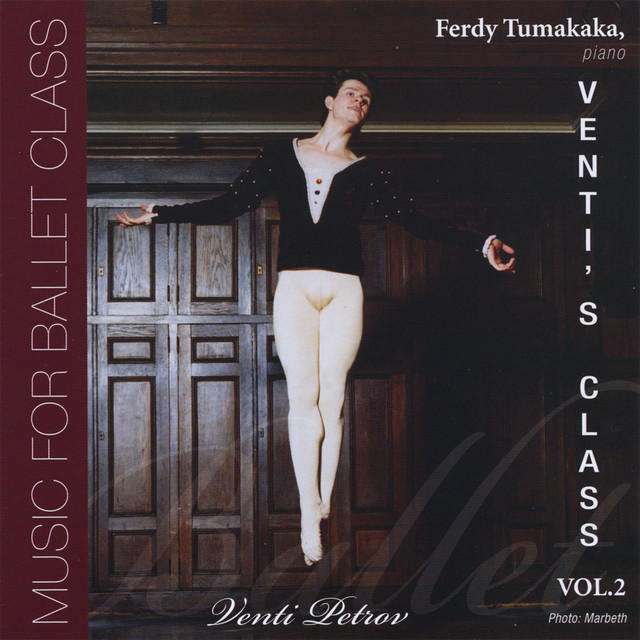


About Ballet class
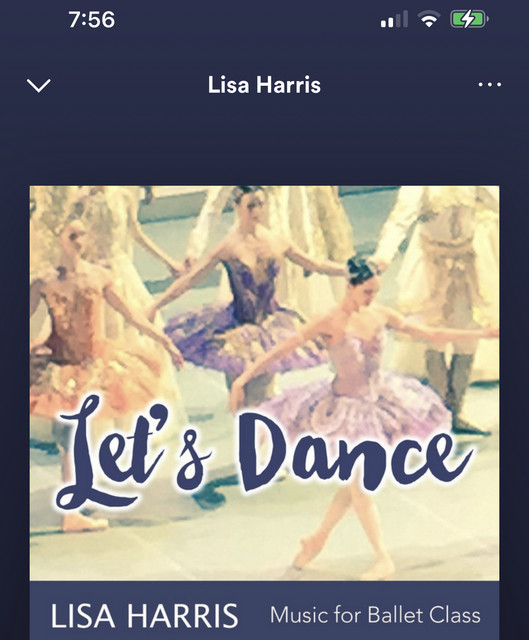
Ballet class is not a single composer or a rigid musical movement, but a functional genre—the soundtrack of the barre. Its purpose is practical: to pace pliés, tendus, and allegro combinations, to provide a steady, legato backdrop that helps dancers develop balance, alignment, and musicality. Over time, this purpose has crystallized into a recognizable listening category: orchestral and instrumental material that feels expansive enough for long warmups, yet intimate enough to keep attention from wandering. In practice, a ballet class playlist often weaves together venerable classical scores with neoclassical textures and contemporary calm electronics, all chosen for clarity of line, even phrasing, and a disciplined tempo.
Origins lie in the long tradition of ballet itself. Classical ballet emerged in courtly Europe in the 17th and 18th centuries, with French and Italian maestros composing or adapting music to suit specific dances. As ballet technique codified in studios and schools across Paris, St. Petersburg, and other cultural hubs, teachers began pairing exercises with particular musical moods and tempos. By the 19th century, the repertoire of pieces used to accompany barre and drills had become a familiar toolkit: stately waltzes and gavottes, graceful minuets, and the famous melodies from full ballets that offered helpful structural cues for rhythm and breath. In this sense, ballet class music inherits a lineage from Lully, Delibes, Minkus, and Tchaikovsky, among others, while evolving through the 20th century into a more versatile, classroom-friendly sonic language.
What defines the sound of ballet class today? It tends to favor musical materials with a clear, continuous line and relatively modest dynamic swings. You’ll hear orchestral string color and woodwind warmth, sometimes combined with piano or light keyboard textures. The tempos are carefully chosen to align with typical class cadences—generally moderate in barre work, with a gentle ramp for grand allegro across the center floor. The music encourages exact articulation of the feet and arms, but without overpowering the dancer’s inner sense of timing. The atmosphere is focused, almost ritualistic: a shared tempo that becomes a quiet, invisible metronome.
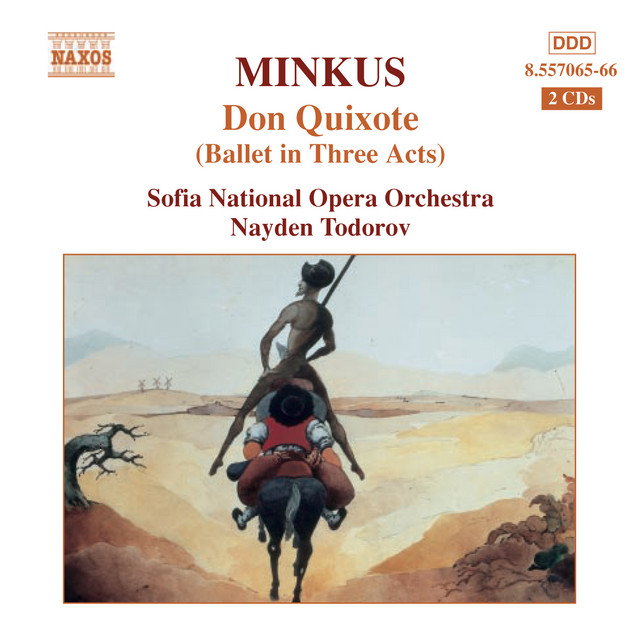
Ambassadors and touchstones of the genre include the great ballet composers whose music is a staple in studios worldwide. Pyotr Ilyich Tchaikovsky is a towering figure, his Nutcracker, Swan Lake, and Sleeping Beauty scores offering instantly legible phrasing and memorable lines that students recognize intuitively. Ludwig Minkus, composer of Don Quixote and La Bayadère, provided a 19th-century toolkit of graceful energy that remains popular in class settings. Adolphe Adam’s Giselle and other Romantic-era scores also surface frequently for their lyrical clarity. Beyond full ballets, pianists and orchestras provide beloved pieces by Mozart, Haydn, Chopin, Debussy, and Ravel, all valued for their clean textures and expressive but controlled contours. In contemporary studios, producers and educators blend neoclassical textures by living composers and modern instrumentalists—think ambient, restrained, and cinematic tones by artists such as Max Richter, Nils Frahm, or Ólafur Arnalds—without sacrificing the discipline of the barre.
The genre is especially strong in traditional ballet powerhouses: Russia, France, and the United States, where classical training institutions and major companies keep the barre music alive. Japan, the UK, and several European countries also maintain vibrant studios that use ballet class music to shape rigorous technique and musical sensibility. For listeners, ballet class represents a doorway into the art of dance through sound: a curated experience that is as much about discipline and timing as it is about beauty and atmosphere.
Origins lie in the long tradition of ballet itself. Classical ballet emerged in courtly Europe in the 17th and 18th centuries, with French and Italian maestros composing or adapting music to suit specific dances. As ballet technique codified in studios and schools across Paris, St. Petersburg, and other cultural hubs, teachers began pairing exercises with particular musical moods and tempos. By the 19th century, the repertoire of pieces used to accompany barre and drills had become a familiar toolkit: stately waltzes and gavottes, graceful minuets, and the famous melodies from full ballets that offered helpful structural cues for rhythm and breath. In this sense, ballet class music inherits a lineage from Lully, Delibes, Minkus, and Tchaikovsky, among others, while evolving through the 20th century into a more versatile, classroom-friendly sonic language.
What defines the sound of ballet class today? It tends to favor musical materials with a clear, continuous line and relatively modest dynamic swings. You’ll hear orchestral string color and woodwind warmth, sometimes combined with piano or light keyboard textures. The tempos are carefully chosen to align with typical class cadences—generally moderate in barre work, with a gentle ramp for grand allegro across the center floor. The music encourages exact articulation of the feet and arms, but without overpowering the dancer’s inner sense of timing. The atmosphere is focused, almost ritualistic: a shared tempo that becomes a quiet, invisible metronome.
Ambassadors and touchstones of the genre include the great ballet composers whose music is a staple in studios worldwide. Pyotr Ilyich Tchaikovsky is a towering figure, his Nutcracker, Swan Lake, and Sleeping Beauty scores offering instantly legible phrasing and memorable lines that students recognize intuitively. Ludwig Minkus, composer of Don Quixote and La Bayadère, provided a 19th-century toolkit of graceful energy that remains popular in class settings. Adolphe Adam’s Giselle and other Romantic-era scores also surface frequently for their lyrical clarity. Beyond full ballets, pianists and orchestras provide beloved pieces by Mozart, Haydn, Chopin, Debussy, and Ravel, all valued for their clean textures and expressive but controlled contours. In contemporary studios, producers and educators blend neoclassical textures by living composers and modern instrumentalists—think ambient, restrained, and cinematic tones by artists such as Max Richter, Nils Frahm, or Ólafur Arnalds—without sacrificing the discipline of the barre.
The genre is especially strong in traditional ballet powerhouses: Russia, France, and the United States, where classical training institutions and major companies keep the barre music alive. Japan, the UK, and several European countries also maintain vibrant studios that use ballet class music to shape rigorous technique and musical sensibility. For listeners, ballet class represents a doorway into the art of dance through sound: a curated experience that is as much about discipline and timing as it is about beauty and atmosphere.