Genre
baltic classical
Top Baltic classical Artists
Showing 25 of 37 artists







About Baltic classical
Baltic classical is a contemporary umbrella term for the classical music produced in the three Baltic states—Estonia, Latvia, and Lithuania—an area with a deep, distinctive musical DNA. It grew out of a century of cultural awakenings, wartime upheavals, and later the echo of Soviet rule, coalescing into a voice that is at once austere, lyrical, and boldly individual. Rather than being a single school, it’s a constellation of approaches that share a common Baltic sensibility: a reverence for precise craft, an openness to sacred and folkloric timbres, and a readiness to engage with modernist and post-minimalist languages without abandoning emotional clarity.
In Estonia, the movement toward a quiet, meditative syllable of sound was most prominently advanced by Arvo Pärt, whose tintinnabuli technique—simple, bell-like sonorities woven with chant-derived melodies—redefined late-20th-century sacred music and extended its reach worldwide. His works from the 1970s onward, such as Tabula Rasa and Für Alina, became touchstones for a generation of listeners seeking spiritual depth in contemporary music. Veljo Tormis, also Estonian, balanced ancient runo-singing traditions with keen orchestration and choral magnetism, producing powerful choral cycles that feel intimately personal while resonating with collective memory. These figures helped anchor Baltic classical on the global map and established Estonia as a center of contemporary sacred and instrumental writing.
Latvia contributes through a strong choral and orchestral tradition and composers who fuse introspective gesture with folkloric resonance. Pēteris Vasks, one of Latvia’s most widely performed living voices, writes in a language that can be austere and luminous in turn, often exploring moral and existential questions with orchestral color and a capacious, sometimes monumental scale. His works—and those of compatriots who follow his path—are frequently intimate in texture yet expansive in horizon, making them highly attractive to international audiences seeking a Baltic emotional signature.
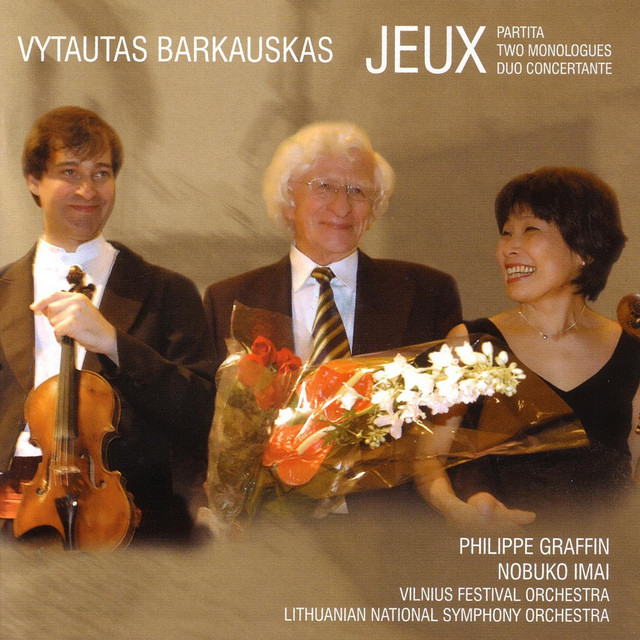
Lithuania brings its own lineage of ritual and lyric intensity to the mix. Composers such as Bronius Kutavičius have drawn on Lithuanian history, ritual chant, and folk atmosphere to create music that feels both ancestral and startlingly contemporary. The result is a Baltic classical soundscape that can be ceremonial and earthy in the same breath, with a sensibility that prizes precision, clarity of expression, and a sense of place.
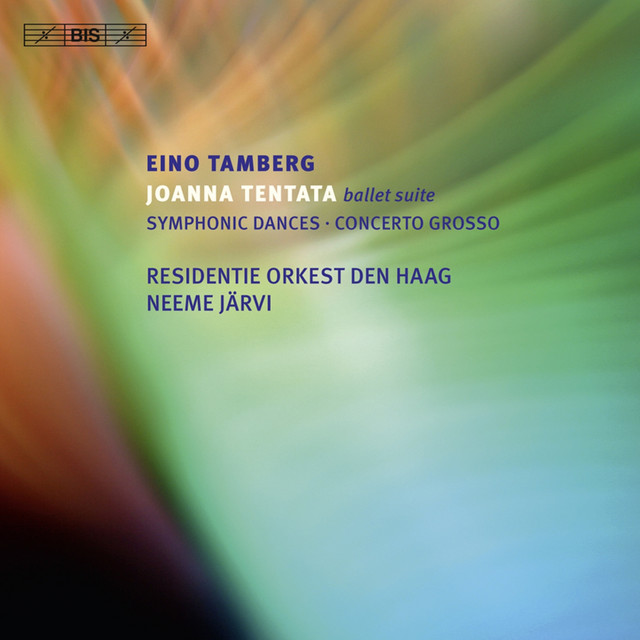
Ambassadors of this genre include not only the composers but the performers who carry their music abroad: conductors and ensembles from the Baltic states—Neeme Järvi and his musical lineage, Andris Nelsons, Kristjan Järvi, and Paavo Järvi among them—have brought Baltic works to major international stages. The resident orchestras, national choirs, and festival circuits across Tallinn, Riga, Vilnius, and beyond have become engines for the Baltic classical voice, with collaborations that connect period-instrument insight to contemporary technique.
Today, Baltic classical thrives not only in the Baltic capitals but in Europe and North America, where adventurous listeners and festival programmers seek music that is at once intimate and expansive, modern and timeless. It remains a music of crisp textures, spiritual depth, and a stubborn insistence on authenticity—an art form that invites listeners to hear a region’s history poured into sound, note by note.
In Estonia, the movement toward a quiet, meditative syllable of sound was most prominently advanced by Arvo Pärt, whose tintinnabuli technique—simple, bell-like sonorities woven with chant-derived melodies—redefined late-20th-century sacred music and extended its reach worldwide. His works from the 1970s onward, such as Tabula Rasa and Für Alina, became touchstones for a generation of listeners seeking spiritual depth in contemporary music. Veljo Tormis, also Estonian, balanced ancient runo-singing traditions with keen orchestration and choral magnetism, producing powerful choral cycles that feel intimately personal while resonating with collective memory. These figures helped anchor Baltic classical on the global map and established Estonia as a center of contemporary sacred and instrumental writing.
Latvia contributes through a strong choral and orchestral tradition and composers who fuse introspective gesture with folkloric resonance. Pēteris Vasks, one of Latvia’s most widely performed living voices, writes in a language that can be austere and luminous in turn, often exploring moral and existential questions with orchestral color and a capacious, sometimes monumental scale. His works—and those of compatriots who follow his path—are frequently intimate in texture yet expansive in horizon, making them highly attractive to international audiences seeking a Baltic emotional signature.
Lithuania brings its own lineage of ritual and lyric intensity to the mix. Composers such as Bronius Kutavičius have drawn on Lithuanian history, ritual chant, and folk atmosphere to create music that feels both ancestral and startlingly contemporary. The result is a Baltic classical soundscape that can be ceremonial and earthy in the same breath, with a sensibility that prizes precision, clarity of expression, and a sense of place.
Ambassadors of this genre include not only the composers but the performers who carry their music abroad: conductors and ensembles from the Baltic states—Neeme Järvi and his musical lineage, Andris Nelsons, Kristjan Järvi, and Paavo Järvi among them—have brought Baltic works to major international stages. The resident orchestras, national choirs, and festival circuits across Tallinn, Riga, Vilnius, and beyond have become engines for the Baltic classical voice, with collaborations that connect period-instrument insight to contemporary technique.
Today, Baltic classical thrives not only in the Baltic capitals but in Europe and North America, where adventurous listeners and festival programmers seek music that is at once intimate and expansive, modern and timeless. It remains a music of crisp textures, spiritual depth, and a stubborn insistence on authenticity—an art form that invites listeners to hear a region’s history poured into sound, note by note.