Genre
band organ
Top Band organ Artists
Showing 23 of 23 artists
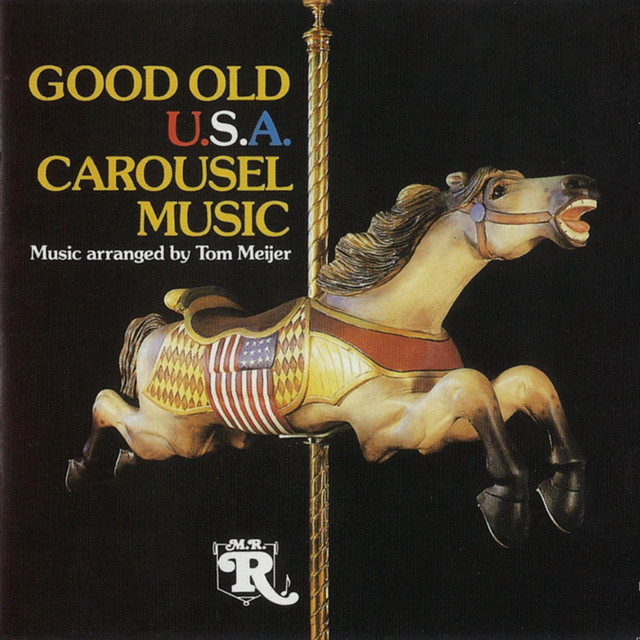


About Band organ
Band organ, or bandorgel in German, is a self-playing pipe organ designed for the carnival, carousel, and street-fair world. It sits at the intersection of machinery and melody, delivering bright, crowd-pleasing tunes without a single pianist in sight. The sound is instantly recognizable: a brisk blend of brass-like fanfares, lilting waltzes, jaunty marches, and cheeky ragtime snatches that evoke midway lights and revolving horses.
The genre’s birth is rooted in the late 19th and early 20th centuries, when mechanical music sought new, affordable ways to entertain large crowds. European street organs had already been entertaining towns for decades, but the band organ refined the concept for popular amusements: compact, robust instruments driven by perforated music rolls or punched cards, which steered a bank of pipes as well as percussion and sometimes even piano-like effects. These organs were designed to be coin-operated and weather-resistant, able to withstand busy fairgrounds and outdoor stages. As caravans rolled from one fair to the next, a portable band organ could conjure orchestral color with a fraction of the cost of a real ensemble.
A band organ’s architecture is its signature: dozens of pipes grouped into ranks, a wind supply fed by a bellows or an early electric blower, and a control system driven by perforated rolls or printed score discs. The rolls encode melodies, harmonies, and rhythms; the organist’s timbral palette is broadened by stops, percussion effects, and sometimes reed or brass-like tonal colors. What you hear is not a live orchestra, but a vivid architectural blend of wood, metal, and air—an artificial repertory that can conjure polkas from the Ruhr, waltzes from Vienna, marches from Sousa, or popular tunes of the day.
Key points enthusiasts often emphasize include the repertoire, the craftsmanship, and the social history. Repertoire ranges from contemporary fairground tunes to timeless operetta and ballroom pieces, with many rolls also including traditional folk tunes and novelty numbers. Craftsmanship matters as well: makers tuned brass and wooden pipes, built robust wind chests, and engineered precise roll-reading mechanisms to survive decades of outdoor use. The social role of band organs is equally important—these machines became community broadcasters, providing musical cues for dances, parades, and simply shared joy on busy afternoons.
In terms of popular centers, the United States and Germany stand out as major hubs of band-organ culture, given their long carnival and amusement-park traditions. The Netherlands, Belgium, and parts of France also maintain vibrant circles of collectors, restorers, and small festival circuits where vintage band organs are demonstrated and enjoyed. A modern revival exists in museums and specialty concerts where enthusiasts preserve original instruments or carefully built modern recreations use authentic timbres and roll programming.
Ambassadors of the genre tend to be the passionate restorers, archivists, and festival organizers who keep the instrument’s memory alive. They curate roll libraries, rehabilitate shop-worn pipes, and illuminate the mechanism behind the music to new generations. For listeners, band organs offer a sonic snapshot of a time when urban soundscapes were crafted from mechanical precision and joyful, communal music. If you chase nostalgia with a curiosity for mechanism, band organs reward close listening and patient museum-like observation—an irresistible doorway to a bygone carnival of sound.
The genre’s birth is rooted in the late 19th and early 20th centuries, when mechanical music sought new, affordable ways to entertain large crowds. European street organs had already been entertaining towns for decades, but the band organ refined the concept for popular amusements: compact, robust instruments driven by perforated music rolls or punched cards, which steered a bank of pipes as well as percussion and sometimes even piano-like effects. These organs were designed to be coin-operated and weather-resistant, able to withstand busy fairgrounds and outdoor stages. As caravans rolled from one fair to the next, a portable band organ could conjure orchestral color with a fraction of the cost of a real ensemble.
A band organ’s architecture is its signature: dozens of pipes grouped into ranks, a wind supply fed by a bellows or an early electric blower, and a control system driven by perforated rolls or printed score discs. The rolls encode melodies, harmonies, and rhythms; the organist’s timbral palette is broadened by stops, percussion effects, and sometimes reed or brass-like tonal colors. What you hear is not a live orchestra, but a vivid architectural blend of wood, metal, and air—an artificial repertory that can conjure polkas from the Ruhr, waltzes from Vienna, marches from Sousa, or popular tunes of the day.
Key points enthusiasts often emphasize include the repertoire, the craftsmanship, and the social history. Repertoire ranges from contemporary fairground tunes to timeless operetta and ballroom pieces, with many rolls also including traditional folk tunes and novelty numbers. Craftsmanship matters as well: makers tuned brass and wooden pipes, built robust wind chests, and engineered precise roll-reading mechanisms to survive decades of outdoor use. The social role of band organs is equally important—these machines became community broadcasters, providing musical cues for dances, parades, and simply shared joy on busy afternoons.
In terms of popular centers, the United States and Germany stand out as major hubs of band-organ culture, given their long carnival and amusement-park traditions. The Netherlands, Belgium, and parts of France also maintain vibrant circles of collectors, restorers, and small festival circuits where vintage band organs are demonstrated and enjoyed. A modern revival exists in museums and specialty concerts where enthusiasts preserve original instruments or carefully built modern recreations use authentic timbres and roll programming.
Ambassadors of the genre tend to be the passionate restorers, archivists, and festival organizers who keep the instrument’s memory alive. They curate roll libraries, rehabilitate shop-worn pipes, and illuminate the mechanism behind the music to new generations. For listeners, band organs offer a sonic snapshot of a time when urban soundscapes were crafted from mechanical precision and joyful, communal music. If you chase nostalgia with a curiosity for mechanism, band organs reward close listening and patient museum-like observation—an irresistible doorway to a bygone carnival of sound.