Genre
bandura
Top Bandura Artists
Showing 17 of 17 artists


About Bandura
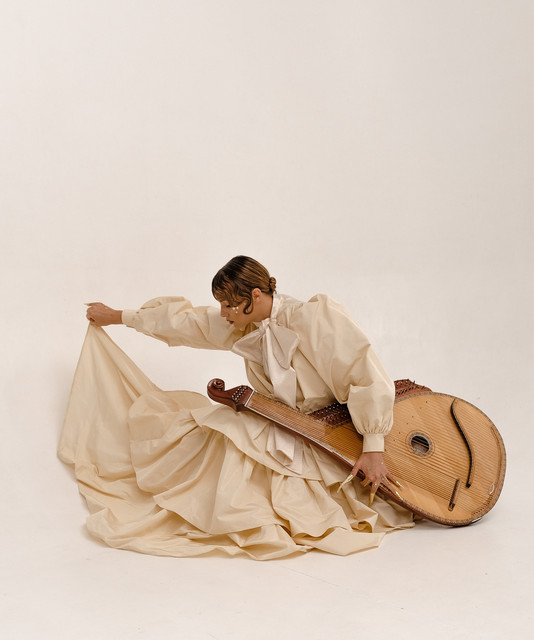
Bandura is a distinctive Ukrainian plucked-string instrument and, in music discourse, also the name of a living, evolving genre built around its timbre, technique, and repertoire. Its sound sits between harp-like brightness and lute-like bite, capable of delicate lyrical lines and robust dramatic outbursts. The bandura’s identity is inseparable from Ukrainian history, poetry, and the long-standing tradition of kobzars—the wandering bards who sang epic dumy (songs of heroes and history) to accompany their strings. In this sense, bandura music is as much a storytelling idiom as it is a concert instrument.
Origins and birth of the genre trace back to the broader family of Ukrainian chordophones that developed in the medieval and early modern periods. Over centuries, instruments in the kobza-bandura lineage absorbed regional flavors—from the Carpathian hills to the steppe plains—culminating in a modern form that could be performed both solo and with voice. By the late 19th and early 20th centuries, musicians and builders in Ukraine began standardizing the concert bandura, expanding its range and mechanics to meet the demands of concert halls, orchestras, and serious recital programming. That period marks a pivotal shift: bandura moved from a primarily folkloric and bardic practice into a mature concert instrument with a defined technique and repertoire.
Today, the bandura genre encompasses both traditional folk-inspired material and contemporary works composed specifically for the instrument. Typical performances weave the instrument’s shimmering upper strings with the deeper resonance of bass strings, producing textures that can float in modal, pentatonic, or diatonic spaces, or push into more chromatic modern idioms. Repertoire often includes dumy and historical ballads, lyrical solo pieces, and modern compositions that explore cross-genre textures—sometimes blending with classical strings, contemporary art music, or jazz-inflected improvisation. The idiom thrives on melodic invention, precise right-hand plucking (often with nails or plectra) and left-hand fingerboard work that freezes, slides, and ornaments tones with expressive nuance.
The genre’s ambassadors have been cultivated in both homeland and diaspora. In Ukraine, concert bands and ensembles dedicated to the instrument—ranging from national to regional groups—serve as the backbone of performance practice, teaching, and festivals. Across continents, Ukrainian diaspora communities in Canada (notably in cities with strong cultural hubs), the United States, Poland, and parts of Western Europe have sustained vibrant bandura cultures, creating festivals, schools, and recording projects that introduce bandura timbres to new audiences. These communities act as cultural bridges, presenting traditional material alongside contemporary commissions and collaborative works with other instrument families.
For enthusiasts, bandura listening often highlights the instrument’s capacity for intimate storytelling—an effusive lyricism that can be both pastoral and poignant. Recorded examples from ensemble and solo performers reveal a spectrum: from resonant, meditative pieces that reveal the instrument’s bell-like sustain to brisk, technically demanding works that showcase fast successive plucking and intricate chordal textures. The bandura genre, deeply rooted in Ukrainian heritage, continues to expand, inviting players to explore new repertoire, experiment with ensemble configurations, and share a distinctive voice that remains unmistakably bandura. If you’re diving in, seek out live performances and cross-genre collaborations to hear how this instrument’s voice can carry both ancient memory and contemporary curiosity.
Origins and birth of the genre trace back to the broader family of Ukrainian chordophones that developed in the medieval and early modern periods. Over centuries, instruments in the kobza-bandura lineage absorbed regional flavors—from the Carpathian hills to the steppe plains—culminating in a modern form that could be performed both solo and with voice. By the late 19th and early 20th centuries, musicians and builders in Ukraine began standardizing the concert bandura, expanding its range and mechanics to meet the demands of concert halls, orchestras, and serious recital programming. That period marks a pivotal shift: bandura moved from a primarily folkloric and bardic practice into a mature concert instrument with a defined technique and repertoire.
Today, the bandura genre encompasses both traditional folk-inspired material and contemporary works composed specifically for the instrument. Typical performances weave the instrument’s shimmering upper strings with the deeper resonance of bass strings, producing textures that can float in modal, pentatonic, or diatonic spaces, or push into more chromatic modern idioms. Repertoire often includes dumy and historical ballads, lyrical solo pieces, and modern compositions that explore cross-genre textures—sometimes blending with classical strings, contemporary art music, or jazz-inflected improvisation. The idiom thrives on melodic invention, precise right-hand plucking (often with nails or plectra) and left-hand fingerboard work that freezes, slides, and ornaments tones with expressive nuance.
The genre’s ambassadors have been cultivated in both homeland and diaspora. In Ukraine, concert bands and ensembles dedicated to the instrument—ranging from national to regional groups—serve as the backbone of performance practice, teaching, and festivals. Across continents, Ukrainian diaspora communities in Canada (notably in cities with strong cultural hubs), the United States, Poland, and parts of Western Europe have sustained vibrant bandura cultures, creating festivals, schools, and recording projects that introduce bandura timbres to new audiences. These communities act as cultural bridges, presenting traditional material alongside contemporary commissions and collaborative works with other instrument families.
For enthusiasts, bandura listening often highlights the instrument’s capacity for intimate storytelling—an effusive lyricism that can be both pastoral and poignant. Recorded examples from ensemble and solo performers reveal a spectrum: from resonant, meditative pieces that reveal the instrument’s bell-like sustain to brisk, technically demanding works that showcase fast successive plucking and intricate chordal textures. The bandura genre, deeply rooted in Ukrainian heritage, continues to expand, inviting players to explore new repertoire, experiment with ensemble configurations, and share a distinctive voice that remains unmistakably bandura. If you’re diving in, seek out live performances and cross-genre collaborations to hear how this instrument’s voice can carry both ancient memory and contemporary curiosity.