Genre
bansuri
Top Bansuri Artists
Showing 20 of 20 artists




About Bansuri
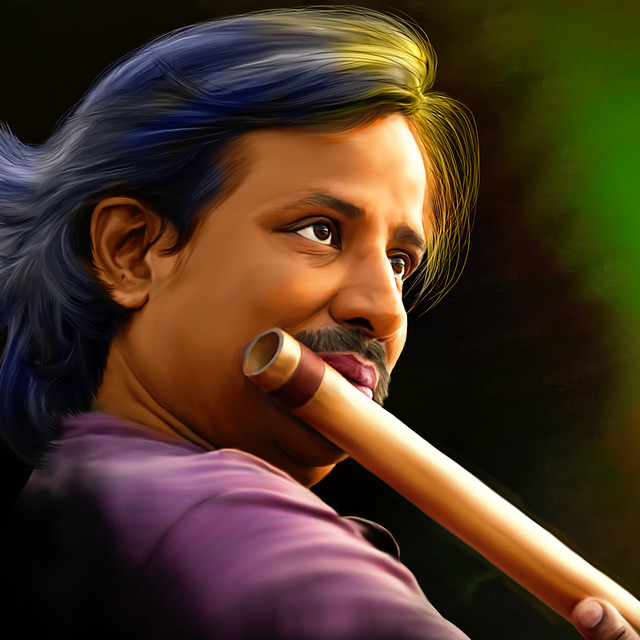
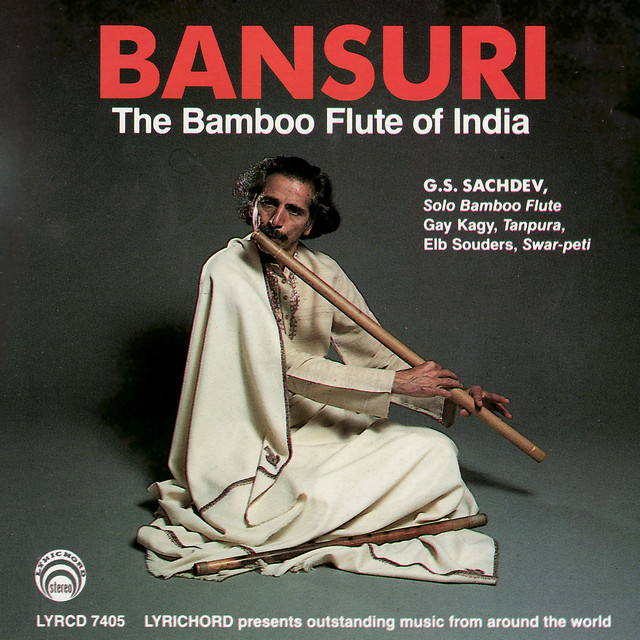
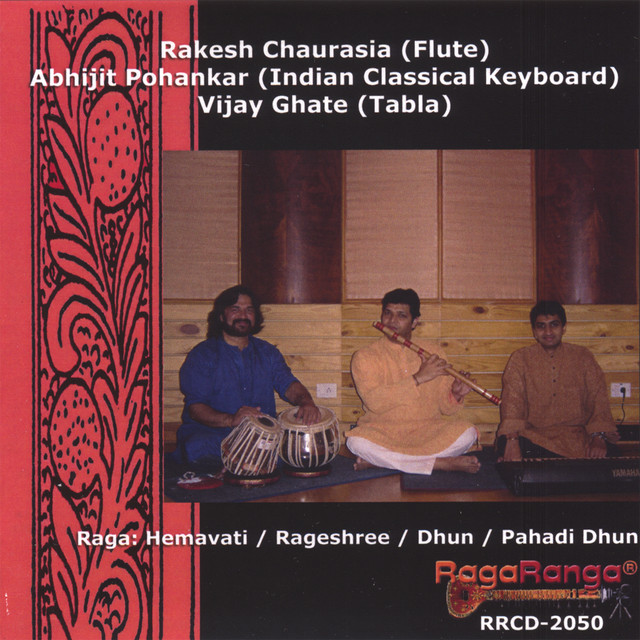
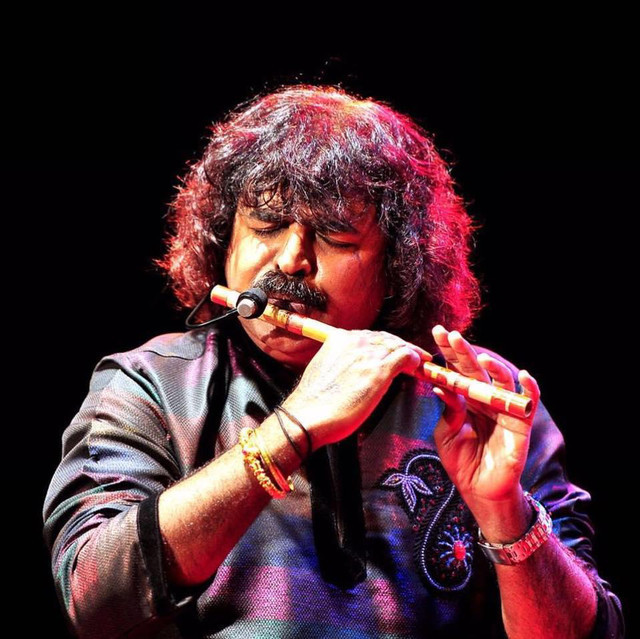
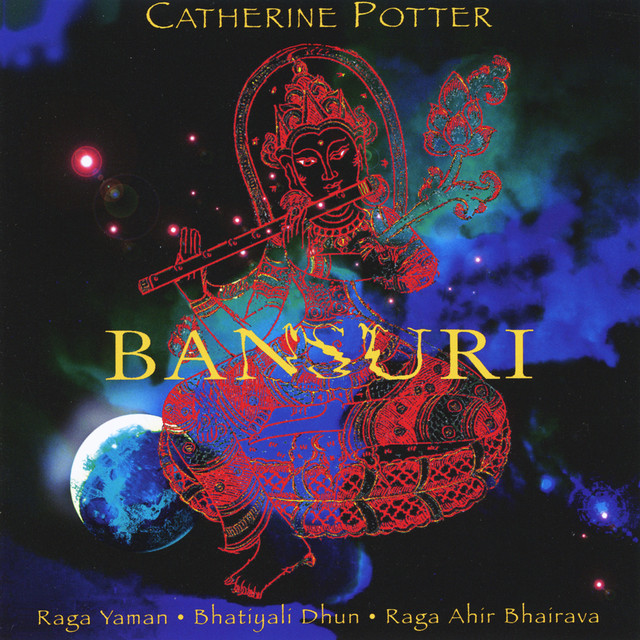
Bansuri is the Indian bamboo flute that has given Hindustani classical music its most singing, breath-driven voice. Although people often refer to bansuri as a "genre," it is better understood as the instrument around which a distinct sonic world has grown: a repertoire of raga-based improvisations, devotional melodies, and increasingly, cross-cultural fusions in world music and cinema. A typical bansuri is carved from a single length of bamboo, with six to eight finger holes, and concert models commonly run about half a meter long. The instrument’s voice is warm and luminous, capable of long, lilting phrases, delicate microtonal inflections (shruti), and sudden splashes of brightness when the player pushes the upper register.
The bansuri’s birth lies in the deep river of Indian musical tradition. Its roots extend into ancient folk and temple music, where bamboo flutes accompanied dancers, shepherds, and religious ceremonies. In classical Hindustani performance, the bansuri achieved a recognizably virtuosic voice in the 20th century through the work of pioneering players who reframed it for concert stages. Pandit Pannalal Ghosh (1911–1960) is widely regarded as the instrument’s foremost modern innovator; he reorganized technique and repertoire, expanded the lower octave, and established a rigorous concert idiom that allowed the bansuri to sit comfortably beside the sitar, sarod, and tabla in a recital. His recordings and teaching created a lineage that subsequent generations could follow.
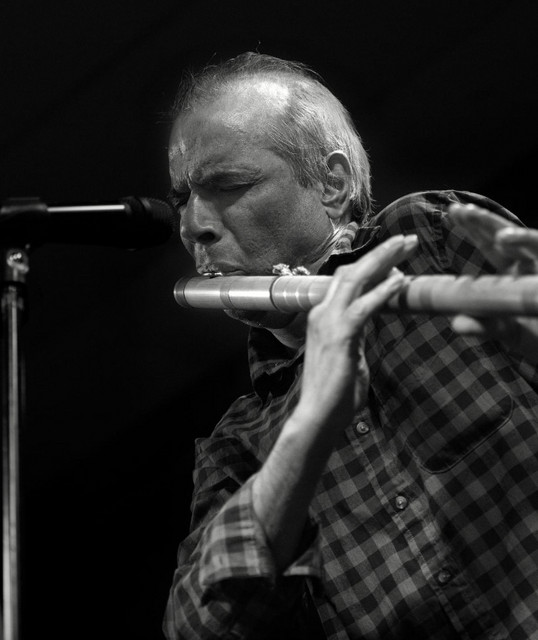
In the present era, the bansuri has been popularized internationally by a handful of master players who act as ambassadors for the instrument. Pandit Hari Prasad Chaurasia (born 1938) is the most famous contemporary exponent, renowned for his soaring tone, fearless improvisational range, and emotive phrasing. His performances—both solo and in collaborations with jazz and world-music colleagues—have helped bring bansuri into concert halls and film scores around the world. Ronu Majumdar (born 1963) is another leading figure, known for lyrical sensibility and a generous teaching presence that has inspired many students to take up the flute. Together with other practitioners, these artists have expanded the bansuri repertoire beyond rigid raga performance to include cinematic textures, fusion projects, and meditative, breath-centered music that appeals to listeners across cultures.
Geographically, bansuri music remains strongest in India and the wider South Asian region, where it is deeply woven into Hindustani classical performance, devotional singing, and film music. Outside the subcontinent, it has found receptive audiences in the Indian diaspora and among world-music communities in the United States, United Kingdom, Canada, and parts of Western Europe. Festivals, academic programs, and yoga and wellness circles frequently feature bansuri players, helping to sustain a transnational appreciation for this intimate, soulful voice. To listen with an informed ear, focus on how the bansuri shapes a raga in breath and sustain; notice the contrast between its intimate microtones and the drone of tanpura, and how a soloist draws a musical arc across a recital. The instrument’s flexibility makes it an ideal ambassador for Hindustani tone and texture, inviting listeners into a meditative, singing space for modern listeners around the world today and beyond.
The bansuri’s birth lies in the deep river of Indian musical tradition. Its roots extend into ancient folk and temple music, where bamboo flutes accompanied dancers, shepherds, and religious ceremonies. In classical Hindustani performance, the bansuri achieved a recognizably virtuosic voice in the 20th century through the work of pioneering players who reframed it for concert stages. Pandit Pannalal Ghosh (1911–1960) is widely regarded as the instrument’s foremost modern innovator; he reorganized technique and repertoire, expanded the lower octave, and established a rigorous concert idiom that allowed the bansuri to sit comfortably beside the sitar, sarod, and tabla in a recital. His recordings and teaching created a lineage that subsequent generations could follow.
In the present era, the bansuri has been popularized internationally by a handful of master players who act as ambassadors for the instrument. Pandit Hari Prasad Chaurasia (born 1938) is the most famous contemporary exponent, renowned for his soaring tone, fearless improvisational range, and emotive phrasing. His performances—both solo and in collaborations with jazz and world-music colleagues—have helped bring bansuri into concert halls and film scores around the world. Ronu Majumdar (born 1963) is another leading figure, known for lyrical sensibility and a generous teaching presence that has inspired many students to take up the flute. Together with other practitioners, these artists have expanded the bansuri repertoire beyond rigid raga performance to include cinematic textures, fusion projects, and meditative, breath-centered music that appeals to listeners across cultures.
Geographically, bansuri music remains strongest in India and the wider South Asian region, where it is deeply woven into Hindustani classical performance, devotional singing, and film music. Outside the subcontinent, it has found receptive audiences in the Indian diaspora and among world-music communities in the United States, United Kingdom, Canada, and parts of Western Europe. Festivals, academic programs, and yoga and wellness circles frequently feature bansuri players, helping to sustain a transnational appreciation for this intimate, soulful voice. To listen with an informed ear, focus on how the bansuri shapes a raga in breath and sustain; notice the contrast between its intimate microtones and the drone of tanpura, and how a soloist draws a musical arc across a recital. The instrument’s flexibility makes it an ideal ambassador for Hindustani tone and texture, inviting listeners into a meditative, singing space for modern listeners around the world today and beyond.