Genre
barbershop
Top Barbershop Artists
Showing 25 of 33 artists












About Barbershop
Barbershop is an American a cappella tradition built on four-part close harmony, typically sung by male quartets but now embracing women and mixed groups as well. The hallmark is a warm, blended sound where one voice quietly supports another, and the four parts—lead, tenor, baritone, and bass—lock into tight, ringing chords that survive even when singers aren’t perfectly in tune. The effect is instantly recognizable and deeply satisfying for listeners who love vocal blend and precise ensemble singing.
Origins and birth: Barbershop singing grew out of late 19th- and early 20th-century working‑class communities in the United States. Barber shops, vaudeville, street corner ballads, and church tunes all fed the repertoire, but the social, informal quartet became the engine of the style. By the 1910s and 1920s, traveling quartets performed in salons, clubs, and theaters, refining a repertoire of popular tunes, spirituals, and sentimental songs. The name comes from the common practice of patrons harmonizing in barber shops while waiting, cutting hair, or chatting after a long day’s work.
The modern framework and institutions: The Barbershop Harmony Society, founded in 1938 as the Society for the Preservation and Encouragement of Barber Shop Quartet Singing in America, helped standardize four‑part singing, publish arrangements, and host international contests. Women’s barbershop flourished in parallel with Sweet Adelines International (founded 1945), which later joined the broader barbershop ecosystem in spirit if not in governance. Today, barbershop is a global, multi‑generational art form with choruses and quartets across North America, Europe, Australia, and beyond.
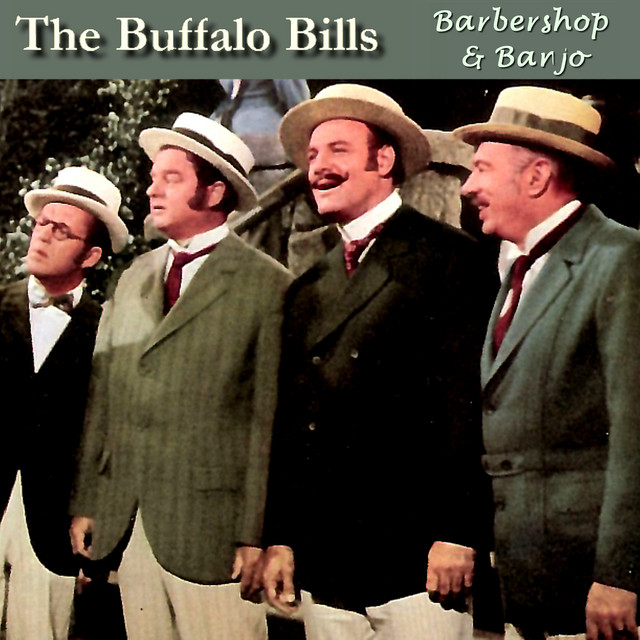
Key artists and ambassadors: Historic quartets such as The Buffalo Bills helped popularize the traditional sound in the mid‑twentieth century, while contemporary ensembles carry the banner internationally. In the chorus world, groups such as the Masters of Harmony and the Ambassadors of Harmony are among the most celebrated ambassadors, known for high‑level singing, polished shows, and competition success. The repertoire remains quintessentially barbershop: standards like Sweet Adeline and Lida Rose, show tunes, and carefully crafted medleys that exploit close‑harmony color and the genre’s signature ringing chords.
What draws enthusiasts: Barbershop rewards listeners with bright, open vocal sonorities, precise tuning, and a sense of shared achievement. It’s as much about the social fabric—the weekly rehearsals, coaching, and community-driven shows—as about the music itself. The genre thrives on storytelling through song, playful performance, and the communal thrill of a perfectly blended chord.
Geographic footprint: The tradition is deepest in the United States and Canada, where its societies and conventions are most visible, but it also enjoys robust communities in the United Kingdom, Ireland, Australia, New Zealand, the Philippines, and across Europe. If you’re a music enthusiast, seek out a live barbershop chorus or quartet—feel the blend, the tempo of interaction, and the celebratory warmth of four voices becoming one.
Origins and birth: Barbershop singing grew out of late 19th- and early 20th-century working‑class communities in the United States. Barber shops, vaudeville, street corner ballads, and church tunes all fed the repertoire, but the social, informal quartet became the engine of the style. By the 1910s and 1920s, traveling quartets performed in salons, clubs, and theaters, refining a repertoire of popular tunes, spirituals, and sentimental songs. The name comes from the common practice of patrons harmonizing in barber shops while waiting, cutting hair, or chatting after a long day’s work.
The modern framework and institutions: The Barbershop Harmony Society, founded in 1938 as the Society for the Preservation and Encouragement of Barber Shop Quartet Singing in America, helped standardize four‑part singing, publish arrangements, and host international contests. Women’s barbershop flourished in parallel with Sweet Adelines International (founded 1945), which later joined the broader barbershop ecosystem in spirit if not in governance. Today, barbershop is a global, multi‑generational art form with choruses and quartets across North America, Europe, Australia, and beyond.
Key artists and ambassadors: Historic quartets such as The Buffalo Bills helped popularize the traditional sound in the mid‑twentieth century, while contemporary ensembles carry the banner internationally. In the chorus world, groups such as the Masters of Harmony and the Ambassadors of Harmony are among the most celebrated ambassadors, known for high‑level singing, polished shows, and competition success. The repertoire remains quintessentially barbershop: standards like Sweet Adeline and Lida Rose, show tunes, and carefully crafted medleys that exploit close‑harmony color and the genre’s signature ringing chords.
What draws enthusiasts: Barbershop rewards listeners with bright, open vocal sonorities, precise tuning, and a sense of shared achievement. It’s as much about the social fabric—the weekly rehearsals, coaching, and community-driven shows—as about the music itself. The genre thrives on storytelling through song, playful performance, and the communal thrill of a perfectly blended chord.
Geographic footprint: The tradition is deepest in the United States and Canada, where its societies and conventions are most visible, but it also enjoys robust communities in the United Kingdom, Ireland, Australia, New Zealand, the Philippines, and across Europe. If you’re a music enthusiast, seek out a live barbershop chorus or quartet—feel the blend, the tempo of interaction, and the celebratory warmth of four voices becoming one.