Genre
baroque ensemble
Top Baroque ensemble Artists
Showing 25 of 30 artists








About Baroque ensemble
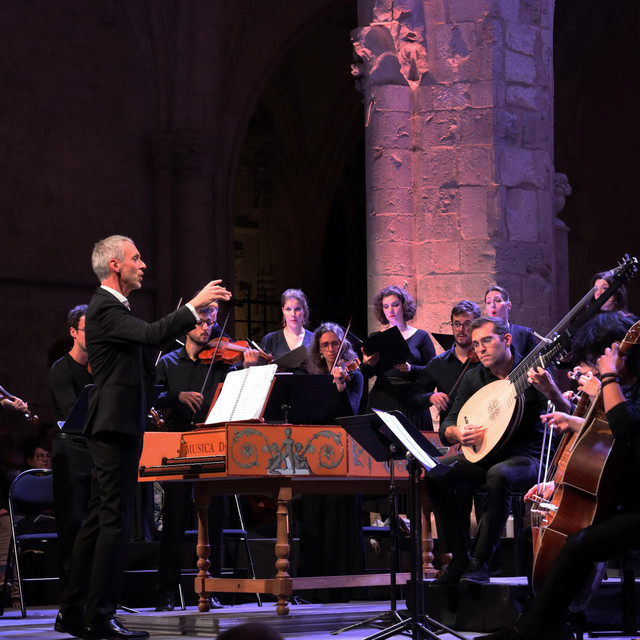
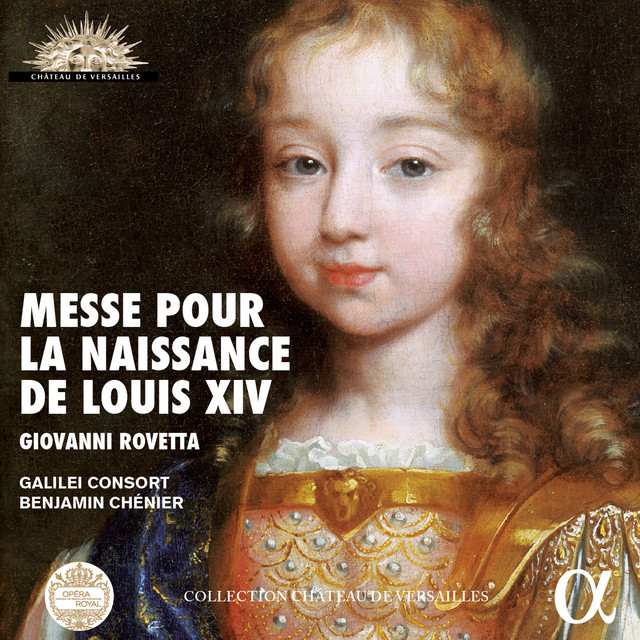
Baroque ensemble describes a vibrant, historically informed approach to performing Baroque-era music with ensembles that use period or replica instruments and performance practices. It’s less about a fixed set of players and more about a stylistic mindset: letting gut-string violins, viola da gambas, natural horns, recorders, baroque oboes, harpsichord and theorbo shape the sound, phrasing, and rhythmic architecture of music written roughly between 1600 and 1750. The repertoire spans concerted works (concerto grosso and solo concertos), sacred choral-and-orchestral pieces, opera and cantatas, and instrumental dances—each demanding a different balance of continuo with melodic lines.
Origin and birth of the practice
The Baroque era began in Italy and quickly spread across Europe, bringing new forms, textures, and a refined sense of ornament and drama to music. In its own day, ensembles were often court or church groups with continuo players providing harmonic support. But the modern Baroque ensemble, as a distinct performing practice, really took shape during the historic performance-practice revival of the mid-20th century. Pioneers such as Nikolaus Harnoncourt and Gustav Leonhardt argued for authentic instruments, tunings, bows, and articulation, transforming how audiences heard Bach, Handel, Vivaldi, Corelli and their contemporaries. Since then, hundreds of ensembles—specialized in “early music” and using period or period-inspired gear—have emerged worldwide.
Ambassadors and key artists
Baroque ensembles have become ambassadors for a broad spectrum of composers and national styles:
- J.S. Bach remains a central touchstone; his Brandenburg Concertos, Cantatas, and organ works are touchstones for period-instrument orchestra and choir.
- George Frideric Handel and Antonio Vivaldi are celebrated for their vivid ritornello forms, virtuosic instrumental writing, and operatic/concerto traditions.
- Arcangelo Corelli helped codify the violin repertoire and the concerto grosso format, influencing countless later works.
- Claudio Monteverdi bridges Renaissance and Baroque drama; his operas and sacred vocal music are touchstones for authentic performance of early Baroque drama.
- English, French, and Italian Baroque styles each have shining ambassadors in contemporary practice: conductors and groups such as John Eliot Gardiner with the English Baroque Soloists, William Christie with Les Arts Florissants (France), Philippe Herreweghe (Belgium) for Bach and Buxtehude or Handel, Ton Koopman, Rinaldo Alessandrini, and René Jacobs, as well as ensembles like the Academy of Ancient Music (UK), the Concentus Musicus Wien (Austria), Il Giardino Armonico (Italy), and Il Pomo d’Oro (Italy) among others.
Geographic popularity
Today, Baroque ensembles enjoy strong popularity across Europe and beyond. Core audiences are in countries with long early-music traditions: Germany, the United Kingdom, France, Italy, the Netherlands, and Austria. They are equally at home in the United States, Canada, and many other regions with vibrant classical-music scenes, reflected in specialized festivals (early-mMusic events, Bach events, and French Baroque celebrations) and a robust catalog of recordings on labels like Harmonia Mundi, Harmonia Mundi USA, and nieuw-music-focused imprints. The sound of a well-versed Baroque ensemble—clear textures, expressive ornamentation, precise articulation, and dynamic breadth achieved through natural instruments—continues to attract listeners who relish the drama, elegance, and stylized rhythms of the period.
What to listen for
Expect brisk, precise tempos with articulate phrasing, a focus on continuo color and balance between soloists and ensemble, and a taste for ornamentation that mirrors the rhetorical character of dances and vocal lines. The ensemble format illuminates the dialogue between instruments as much as between voices, making Baroque music a vivid, theater-like experience for enthusiasts who crave historical nuance without sacrificing musical immediacy.
Origin and birth of the practice
The Baroque era began in Italy and quickly spread across Europe, bringing new forms, textures, and a refined sense of ornament and drama to music. In its own day, ensembles were often court or church groups with continuo players providing harmonic support. But the modern Baroque ensemble, as a distinct performing practice, really took shape during the historic performance-practice revival of the mid-20th century. Pioneers such as Nikolaus Harnoncourt and Gustav Leonhardt argued for authentic instruments, tunings, bows, and articulation, transforming how audiences heard Bach, Handel, Vivaldi, Corelli and their contemporaries. Since then, hundreds of ensembles—specialized in “early music” and using period or period-inspired gear—have emerged worldwide.
Ambassadors and key artists
Baroque ensembles have become ambassadors for a broad spectrum of composers and national styles:
- J.S. Bach remains a central touchstone; his Brandenburg Concertos, Cantatas, and organ works are touchstones for period-instrument orchestra and choir.
- George Frideric Handel and Antonio Vivaldi are celebrated for their vivid ritornello forms, virtuosic instrumental writing, and operatic/concerto traditions.
- Arcangelo Corelli helped codify the violin repertoire and the concerto grosso format, influencing countless later works.
- Claudio Monteverdi bridges Renaissance and Baroque drama; his operas and sacred vocal music are touchstones for authentic performance of early Baroque drama.
- English, French, and Italian Baroque styles each have shining ambassadors in contemporary practice: conductors and groups such as John Eliot Gardiner with the English Baroque Soloists, William Christie with Les Arts Florissants (France), Philippe Herreweghe (Belgium) for Bach and Buxtehude or Handel, Ton Koopman, Rinaldo Alessandrini, and René Jacobs, as well as ensembles like the Academy of Ancient Music (UK), the Concentus Musicus Wien (Austria), Il Giardino Armonico (Italy), and Il Pomo d’Oro (Italy) among others.
Geographic popularity
Today, Baroque ensembles enjoy strong popularity across Europe and beyond. Core audiences are in countries with long early-music traditions: Germany, the United Kingdom, France, Italy, the Netherlands, and Austria. They are equally at home in the United States, Canada, and many other regions with vibrant classical-music scenes, reflected in specialized festivals (early-mMusic events, Bach events, and French Baroque celebrations) and a robust catalog of recordings on labels like Harmonia Mundi, Harmonia Mundi USA, and nieuw-music-focused imprints. The sound of a well-versed Baroque ensemble—clear textures, expressive ornamentation, precise articulation, and dynamic breadth achieved through natural instruments—continues to attract listeners who relish the drama, elegance, and stylized rhythms of the period.
What to listen for
Expect brisk, precise tempos with articulate phrasing, a focus on continuo color and balance between soloists and ensemble, and a taste for ornamentation that mirrors the rhetorical character of dances and vocal lines. The ensemble format illuminates the dialogue between instruments as much as between voices, making Baroque music a vivid, theater-like experience for enthusiasts who crave historical nuance without sacrificing musical immediacy.