Genre
baroque woodwind
Top Baroque woodwind Artists
Showing 21 of 21 artists





About Baroque woodwind
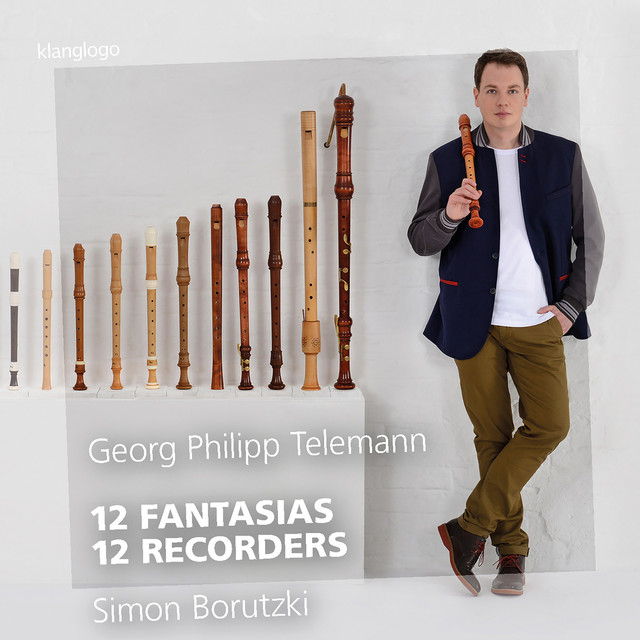
Baroque woodwind is not a single, discrete genre but a descriptive umbrella for the wind-centered repertoire and performance practice of the Baroque era (roughly 1600–1750). It highlights the expressive potential of the instrument family that includes the recorder (flauto dolce), the transverse flute (flauto traverso), the oboe (hautbois; later oboe d’amore), and the bassoon. In this world, composers wrote fast and lyrical solos, intimate chamber sonatas, and grand concertos that showcased wind virtuosity within the concerted, continuo-driven texture that defines Baroque music.
The birth of Baroque woodwind as a flourishing tradition is tied to the courtly and church cultures of Europe in the 17th and early 18th centuries. Italian and French centers—especially Venice and Paris, then Berlin and Dresden—cultivated exceptional wind players whose tone, agility, and expressive nuance became a defining feature of the period. The transverse flute emerged as a favored solo and ensemble instrument, its bright, agile voice ideal for both dance-inspired movements and singing cantabile lines. The recorder, enjoying a “golden age” in France and Germany, offered a different timbral color and a bright, compact character suited to the intimate trio and continuo textures of genre-crossing sonatas and canzonas. The oboe steadily evolved into a prominent solo instrument with a deeply expressive timbre capable of poignant lament and agile florid writing. The Baroque wind tradition also benefited from the era’s technical advances and treatises that codified fingering, ornamentation, and performance practice, such as Johann Joachim Quantz’s On the Art of Playing the Flute (published in 1752), which shaped northern European performance into a recognizable style.
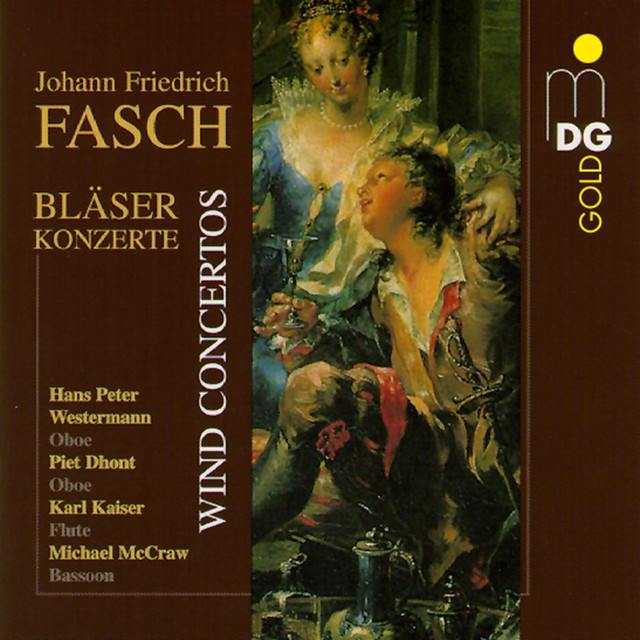
Key repertoire and figures anchor the movement. Composers wrote richly for winds within the concerto grosso form and as standalone concertos: Vivaldi’s oboe and recorder works, Telemann’s extensive wind oeuvre for recorders, flutes, and oboes, and Bach’s and Handel’s wind-inflected concertos and cantatas offered some of Baroque music’s most memorable wind writing. The period also produced renowned virtuosi who served as ambassadors for the genre: Michel Blavet, a French recorder virtuoso who helped popularize the instrument across Europe; J. J. Quantz, the German flutist and composer whose writings defined performance practice; and later, 20th-century champions like Michala Petri (recorder), Frans Brüggen (recorder and oboe), and Jordi Savall (leader of ensembles who champion Baroque wind repertory on period instruments). These artists helped translate 17th- and 18th-century wind idioms into both historically informed and widely accessible performances.
Geographically, Baroque woodwind music flourished in Italy, France, and Germany—each a cradle of stylistic schools and instrument-making innovations—and it remains especially cherished in those countries. In modern times, it continues to captivate enthusiasts worldwide, thriving in early-music communities in the United Kingdom, the Netherlands, Scandinavia, and North America, where historically informed performances and period instrument ensembles bring the genre’s bright, incisive textures to life.
For enthusiasts, Baroque woodwind offers a rich tapestry of color and line: the piercing lyricism of the recorder, the silvered agility of the traverso, the singing oboe, and the warm, grounding bassoon—all woven into the Baroque aesthetic of contrast, ornament, and expressive storytelling.
The birth of Baroque woodwind as a flourishing tradition is tied to the courtly and church cultures of Europe in the 17th and early 18th centuries. Italian and French centers—especially Venice and Paris, then Berlin and Dresden—cultivated exceptional wind players whose tone, agility, and expressive nuance became a defining feature of the period. The transverse flute emerged as a favored solo and ensemble instrument, its bright, agile voice ideal for both dance-inspired movements and singing cantabile lines. The recorder, enjoying a “golden age” in France and Germany, offered a different timbral color and a bright, compact character suited to the intimate trio and continuo textures of genre-crossing sonatas and canzonas. The oboe steadily evolved into a prominent solo instrument with a deeply expressive timbre capable of poignant lament and agile florid writing. The Baroque wind tradition also benefited from the era’s technical advances and treatises that codified fingering, ornamentation, and performance practice, such as Johann Joachim Quantz’s On the Art of Playing the Flute (published in 1752), which shaped northern European performance into a recognizable style.
Key repertoire and figures anchor the movement. Composers wrote richly for winds within the concerto grosso form and as standalone concertos: Vivaldi’s oboe and recorder works, Telemann’s extensive wind oeuvre for recorders, flutes, and oboes, and Bach’s and Handel’s wind-inflected concertos and cantatas offered some of Baroque music’s most memorable wind writing. The period also produced renowned virtuosi who served as ambassadors for the genre: Michel Blavet, a French recorder virtuoso who helped popularize the instrument across Europe; J. J. Quantz, the German flutist and composer whose writings defined performance practice; and later, 20th-century champions like Michala Petri (recorder), Frans Brüggen (recorder and oboe), and Jordi Savall (leader of ensembles who champion Baroque wind repertory on period instruments). These artists helped translate 17th- and 18th-century wind idioms into both historically informed and widely accessible performances.
Geographically, Baroque woodwind music flourished in Italy, France, and Germany—each a cradle of stylistic schools and instrument-making innovations—and it remains especially cherished in those countries. In modern times, it continues to captivate enthusiasts worldwide, thriving in early-music communities in the United Kingdom, the Netherlands, Scandinavia, and North America, where historically informed performances and period instrument ensembles bring the genre’s bright, incisive textures to life.
For enthusiasts, Baroque woodwind offers a rich tapestry of color and line: the piercing lyricism of the recorder, the silvered agility of the traverso, the singing oboe, and the warm, grounding bassoon—all woven into the Baroque aesthetic of contrast, ornament, and expressive storytelling.