Genre
basque folk
Top Basque folk Artists
Showing 15 of 15 artists



About Basque folk
Basque folk is the traditional music of the Basque people, rooted in the Basque Country (Euskadi) and spanning both the Spanish and French sides of the Pyrenees. It’s a living tradition that sits at the crossroads of language, dance, and ritual, where the Euskara tongue, bertsolaritza (improvised Basque verse), and a distinctive instrumental palette all converge. While it draws on centuries of rural song and dance, the modern Basque folk scene really took shape as part of a 20th‑century cultural revival that reimagined ancient forms for new audiences.
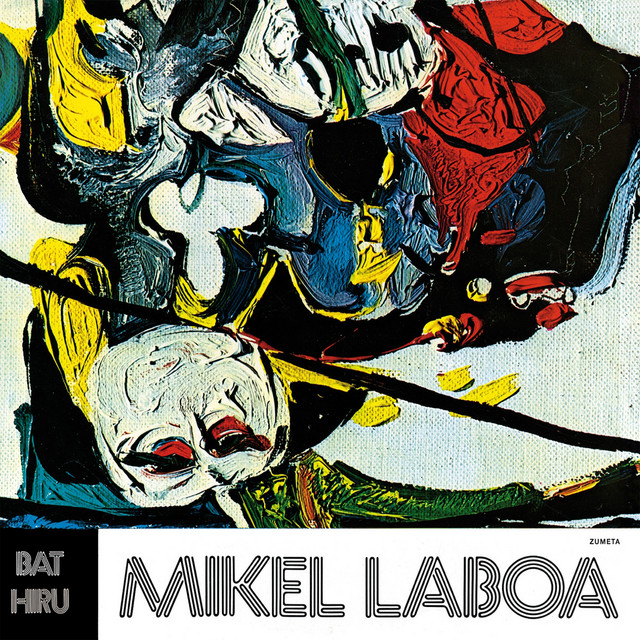
The story of Basque folk’s “birth” as a contemporary movement begins in the mid‑20th century, amid a broader Basque cultural revival that sought to safeguard language and identity under political pressure. In the 1960s and 1970s, ensembles and songwriters emerged who wrote new Basque songs in Euskara, drew on older melodies, and shared them with clubs, festivals, and the media. A notable current from that era is the Ez Dok Amairu (There Is Not a Single Chorus), a collective that brought together poets and musicians to push Basque culture forward. From this ferment came iconic solo voices such as Mikel Laboa, Benito Lertxundi, and Xabier Lete, who helped define Basque song in the modern era. Their work blended clarity of Basque lyric with compelling melodies, making Basque folk a living, evolving language of contemporary culture. The tradition also preserved and celebrated ancient forms, including the social dances and seasonal songs that have long animated rural communities.
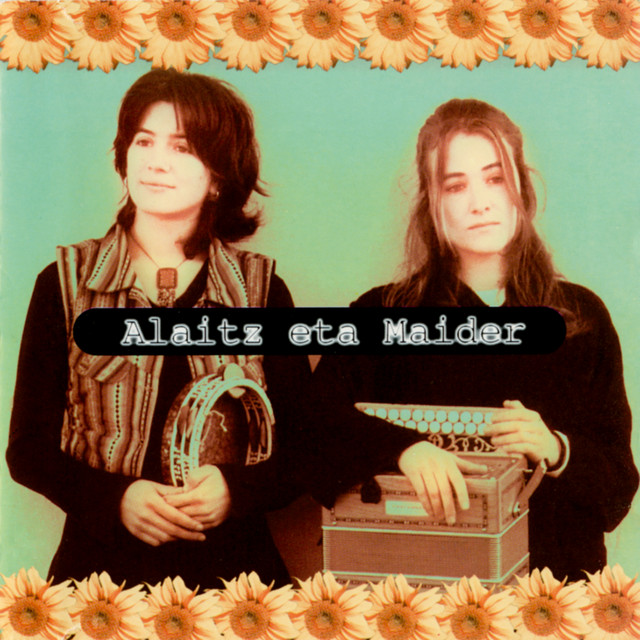
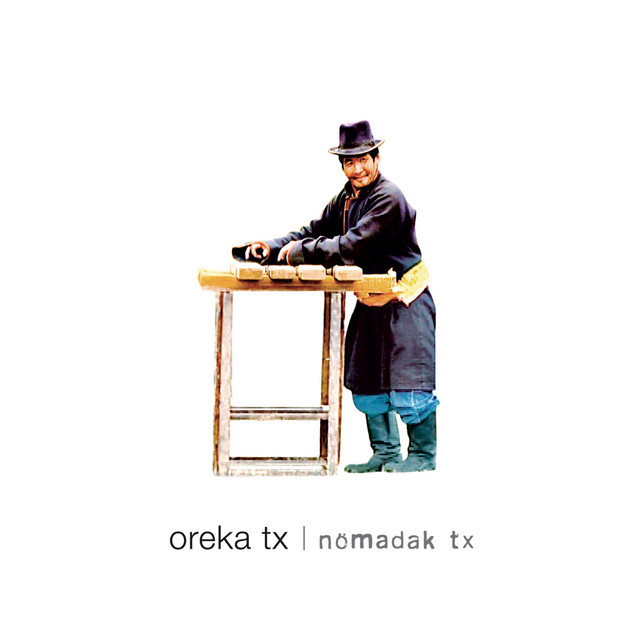
Musically, Basque folk is distinguished by a vivid instrumental spectrum. Traditional staples include the txistu (a small Basque call-and-response flute), the alboka (a double‑reed woodwind with a bright drone), and the txalaparta (a wooden percussion pair beaten together to create rhythmic patterns). The trikitixa—an upbeat style centered on the diatonic accordion paired with a drum or tambourine—has become one of the most recognizable Basque sounds, especially in dance settings. The zortziko, a Basque rhythmic pattern, and a repertoire of dances such as the fandango and various regional pair and circle dances regularly anchor performances. Over time, Basque folk absorbed influences from and into contemporary folk and world music, leading to a vibrant scene that honors tradition while embracing experimentation.
Among the genre’s ambassadors and widely recognized figures are Mikel Laboa, whose Basque-language songs opened doors for a generation of singers; Benito Lertxundi, whose lyrical craft and melodic sense helped shape the mood of Basque song; Xabier Lete; and Oskorri—a prolific composer who bridged traditional and modern sounds. Kepa Junkera stands out for bringing the trikitixa into international recognition, while Niko Etxart and later groups such as Korrontzi expanded the palette with electronic textures, lush arrangements, and festival-stage energy. Today, Basque folk thrives in Euskadi and in Basque communities across France, Spain, and worldwide, with festivals, collaborations, and cross‑genre projects that keep the tradition vital.
For enthusiasts, Basque folk offers a portal into a resilient, expressive culture—the sound of mountains, language, and a people who have kept a distinct musical voice alive through change. Listening suggestions include classic Laboa recordings and the instrument-forward work of Kepa Junkera, as well as contemporary nods from Niko Etxart and Korrontzi, all of which illuminate the genre’s spectrum—from intimate song to vibrant, dance-floor energy.
The story of Basque folk’s “birth” as a contemporary movement begins in the mid‑20th century, amid a broader Basque cultural revival that sought to safeguard language and identity under political pressure. In the 1960s and 1970s, ensembles and songwriters emerged who wrote new Basque songs in Euskara, drew on older melodies, and shared them with clubs, festivals, and the media. A notable current from that era is the Ez Dok Amairu (There Is Not a Single Chorus), a collective that brought together poets and musicians to push Basque culture forward. From this ferment came iconic solo voices such as Mikel Laboa, Benito Lertxundi, and Xabier Lete, who helped define Basque song in the modern era. Their work blended clarity of Basque lyric with compelling melodies, making Basque folk a living, evolving language of contemporary culture. The tradition also preserved and celebrated ancient forms, including the social dances and seasonal songs that have long animated rural communities.
Musically, Basque folk is distinguished by a vivid instrumental spectrum. Traditional staples include the txistu (a small Basque call-and-response flute), the alboka (a double‑reed woodwind with a bright drone), and the txalaparta (a wooden percussion pair beaten together to create rhythmic patterns). The trikitixa—an upbeat style centered on the diatonic accordion paired with a drum or tambourine—has become one of the most recognizable Basque sounds, especially in dance settings. The zortziko, a Basque rhythmic pattern, and a repertoire of dances such as the fandango and various regional pair and circle dances regularly anchor performances. Over time, Basque folk absorbed influences from and into contemporary folk and world music, leading to a vibrant scene that honors tradition while embracing experimentation.
Among the genre’s ambassadors and widely recognized figures are Mikel Laboa, whose Basque-language songs opened doors for a generation of singers; Benito Lertxundi, whose lyrical craft and melodic sense helped shape the mood of Basque song; Xabier Lete; and Oskorri—a prolific composer who bridged traditional and modern sounds. Kepa Junkera stands out for bringing the trikitixa into international recognition, while Niko Etxart and later groups such as Korrontzi expanded the palette with electronic textures, lush arrangements, and festival-stage energy. Today, Basque folk thrives in Euskadi and in Basque communities across France, Spain, and worldwide, with festivals, collaborations, and cross‑genre projects that keep the tradition vital.
For enthusiasts, Basque folk offers a portal into a resilient, expressive culture—the sound of mountains, language, and a people who have kept a distinct musical voice alive through change. Listening suggestions include classic Laboa recordings and the instrument-forward work of Kepa Junkera, as well as contemporary nods from Niko Etxart and Korrontzi, all of which illuminate the genre’s spectrum—from intimate song to vibrant, dance-floor energy.