Genre
batida
Top Batida Artists
Showing 5 of 5 artists
About Batida
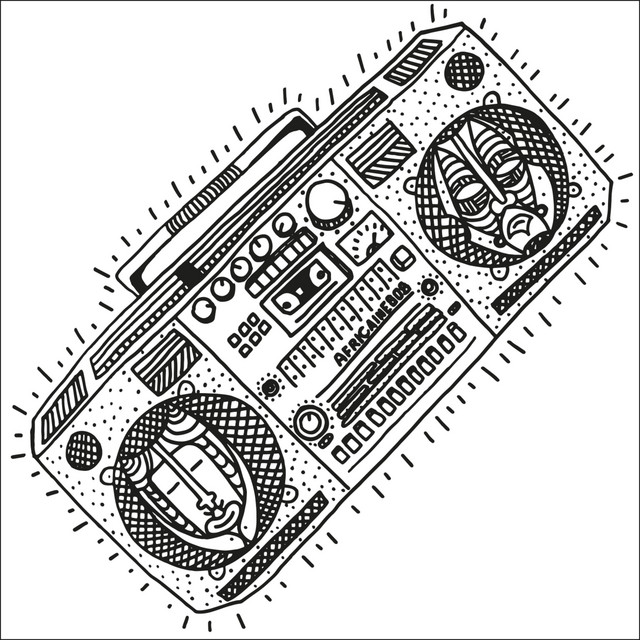
Batida is a vibrant strand of Lusophone electronic music that centers the beat as a living instrument. Born out of the Lusophone club scenes in the late 2000s and early 2010s, batida fused the tactile percussion of Angolan rhythms with Brazilian samba-inflected drumming and the forward drive of house, techno, and global bass. It treats the drum as a sculptural engine—layering drum-machine pulses with hand percussion, chopped vocal samples, and melodic hooks drawn from Africa, Brazil, and beyond. The result is music that moves with a rolling momentum, equally at home on crowded dancefloors and on intimate listening setups.
A core understanding of batida begins with its ancestry. The word batida in Portuguese literally means beat or rhythm, but in practice it signals a distinctive, percussion-forward approach: crisp, propulsive grooves that push dancers forward while inviting tactile, percussive detail. Producers pull from a wide palette: kuduro, semba, kizomba, samba, and carnival street rhythms mingle with elements of house, techno, and disco. The tempo tends to sit in a range that keeps bodies in motion, yet the textures can range from hypnotic, looping basslines to bright, melodic interludes that recall Lusophone carnival energy. It’s as much about groove as it is about sonic collage—the sounds of a continent carried into contemporary dance music by sympathetic producers and DJs.
Ambassadors and touchpoints are crucial to understanding batida’s place in the scene. Among the most widely cited carriers of the sound is Batida, a Lisbon-based project fronted by a Lusophone producer whose work bridges Angolan and Brazilian influences with European club aesthetics. Another indispensable node is Buraka Som Sistema, the Lisbon collective that helped popularize Angolan kuduro in European clubs and festivals and, in doing so, opened space for batida’s cross-cultural conversations. The broader Lusophone label ecosystem—labels like Príncipe Discos and Enchufada—also nurtured a generation of producers who share batida’s obsession with rhythm, diaspora memory, and dancefloor futurism. Though the sound is fluid and decentralized, these acts and imprints anchor batida in a recognizable sensibility: a danceable, globally aware approach to percussion and melody.
Geographically, batida found its strongest footholds in Brazil, Angola, and Portugal, where diasporic networks and local scenes fed ongoing experimentation. It has also resonated in France, the Netherlands, the UK, and other European hubs with vibrant club cultures and a fascination for Lusophone sounds. Listeners today encounter batida at clubs, festivals, and streaming playlists that celebrate global bass, tropical futurism, and the architectural precision of modern electronic music. It is a genre that thrives on collaboration and cross-pollination, inviting new producers to remix and reimagine its core principles.
If you listen closely, batida feels like a conversation between continents: a samba rhythm meeting a 4/4 house backbone, a kizomba bassline gliding into a punchy techno drop, samples of voice and street chatter weaving through the percussion. It’s dance music with a memory, a rootedness in tradition that doesn’t resist the future. For enthusiasts, batida offers a sonic map of the Lusophone world—an invitation to hear how heartbeat and history become a shared, evolving groove.
A core understanding of batida begins with its ancestry. The word batida in Portuguese literally means beat or rhythm, but in practice it signals a distinctive, percussion-forward approach: crisp, propulsive grooves that push dancers forward while inviting tactile, percussive detail. Producers pull from a wide palette: kuduro, semba, kizomba, samba, and carnival street rhythms mingle with elements of house, techno, and disco. The tempo tends to sit in a range that keeps bodies in motion, yet the textures can range from hypnotic, looping basslines to bright, melodic interludes that recall Lusophone carnival energy. It’s as much about groove as it is about sonic collage—the sounds of a continent carried into contemporary dance music by sympathetic producers and DJs.
Ambassadors and touchpoints are crucial to understanding batida’s place in the scene. Among the most widely cited carriers of the sound is Batida, a Lisbon-based project fronted by a Lusophone producer whose work bridges Angolan and Brazilian influences with European club aesthetics. Another indispensable node is Buraka Som Sistema, the Lisbon collective that helped popularize Angolan kuduro in European clubs and festivals and, in doing so, opened space for batida’s cross-cultural conversations. The broader Lusophone label ecosystem—labels like Príncipe Discos and Enchufada—also nurtured a generation of producers who share batida’s obsession with rhythm, diaspora memory, and dancefloor futurism. Though the sound is fluid and decentralized, these acts and imprints anchor batida in a recognizable sensibility: a danceable, globally aware approach to percussion and melody.
Geographically, batida found its strongest footholds in Brazil, Angola, and Portugal, where diasporic networks and local scenes fed ongoing experimentation. It has also resonated in France, the Netherlands, the UK, and other European hubs with vibrant club cultures and a fascination for Lusophone sounds. Listeners today encounter batida at clubs, festivals, and streaming playlists that celebrate global bass, tropical futurism, and the architectural precision of modern electronic music. It is a genre that thrives on collaboration and cross-pollination, inviting new producers to remix and reimagine its core principles.
If you listen closely, batida feels like a conversation between continents: a samba rhythm meeting a 4/4 house backbone, a kizomba bassline gliding into a punchy techno drop, samples of voice and street chatter weaving through the percussion. It’s dance music with a memory, a rootedness in tradition that doesn’t resist the future. For enthusiasts, batida offers a sonic map of the Lusophone world—an invitation to hear how heartbeat and history become a shared, evolving groove.