Genre
baton rouge rap
Top Baton rouge rap Artists
Showing 25 of 78 artists





About Baton rouge rap
Baton Rouge rap is a distinct strand of Southern hip‑hop anchored in Louisiana’s capital. It’s known for its gritty street narratives, hard-hitting 808 bass, and a drawling, down‑home cadence that mirrors the city’s riverfront grit and its working‑class realities. The sound sits at the intersection of raw lyricism and club-ready energy, often merging grimy street tales with catchy hooks designed for loud car speakers and packed venues.
Origins and birth of a sound
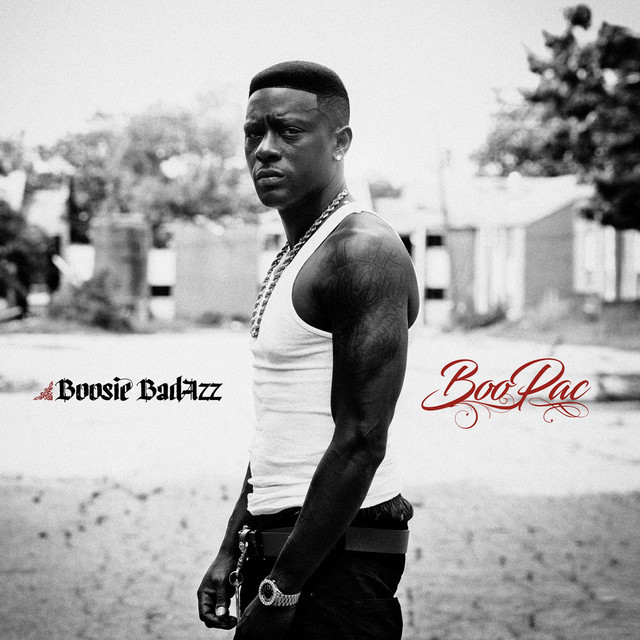
While rap scenes in Louisiana have long thrived in New Orleans, Baton Rouge developed its own poetic edge in the 2000s. The city’s early breakthrough came from homegrown crews and a homegrown label ecosystem centered around artists like Lil Boosie (Boosie Badazz) and Webbie. Their collaborations helped define a template: vivid, forceful storytelling paired with production that could snap from menacing to anthemic in a heartbeat. The 2007 pair‑up Ghetto Stories and subsequent releases under Trill Entertainment solidified Baton Rouge as a serious regional force, showing that the city’s voice could demand broad attention beyond local clubs and street corners.
Rise to wider prominence
The 2010s brought a new wave of visibility. Kevin Gates, another Baton Rouge native, bridged the city’s hard-edged street reportage with more melodic, crossover-friendly sensibilities, expanding the genre’s reach and demonstrating that Baton Rouge rap could work on larger platforms without sacrificing its core intensity. While the scene stayed rooted in its local experiences, its artists began to connect with a national audience through streaming, mixtapes, and collaborations with producers and artists from across the South. The result was a sprawl of sounds—still unmistakably BR in mood and cadence, but now part of a bigger Southern trap ecosystem.
What the music sounds like
Baton Rouge rap often centers on relentless, bass-forward production, where heavy drums and cinematic synths frame street narratives. The delivery tends to be laconic and forceful, marked by a Louisiana drawl that elongates vowels and adds a menacing edge. Lyrically, the themes are classic street-rap staples—survival, loyalty, hustle, and the pressures of life in a rough neighborhood—delivered with a swagger that’s both unflinching and club-friendly. The genre leans into chantable hooks and memorable couplets, designed for the car stereo and the live crowd.
Ambassadors and key figures
The genre’s ambassadors include Boosie Badazz and Webbie, whose early collaborations helped crystallize the Baton Rouge sound. Kevin Gates stands out as a later ambassador, bringing heightened lyricism and broader appeal while staying firmly connected to BR’s storytelling tradition. Together, they illustrate Baton Rouge’s ability to produce artists who can travel—from local show stages to national broadcasts—without losing the city’s distinctive voice.
Global reach and audience
Baton Rouge rap remains most deeply rooted in Louisiana and the broader Southern United States, where its direct, hard-edged storytelling resonates with fans of gritty, street-centered rap. Yet, the rise of streaming has given the genre a worldwide audience. International listeners in Europe, Africa, and the Americas discover Baton Rouge rap through playlists and cross-border collaborations, contributing to a growing, if still regional, global footprint.
In short, Baton Rouge rap is a potent, unflinching voice from Louisiana’s capital—grounded in real-life experience, built on heavy, hypnotic production, and propelled by artists who can move from street corners to major stages without losing the city’s unmistakable heartbeat.
Origins and birth of a sound
While rap scenes in Louisiana have long thrived in New Orleans, Baton Rouge developed its own poetic edge in the 2000s. The city’s early breakthrough came from homegrown crews and a homegrown label ecosystem centered around artists like Lil Boosie (Boosie Badazz) and Webbie. Their collaborations helped define a template: vivid, forceful storytelling paired with production that could snap from menacing to anthemic in a heartbeat. The 2007 pair‑up Ghetto Stories and subsequent releases under Trill Entertainment solidified Baton Rouge as a serious regional force, showing that the city’s voice could demand broad attention beyond local clubs and street corners.
Rise to wider prominence
The 2010s brought a new wave of visibility. Kevin Gates, another Baton Rouge native, bridged the city’s hard-edged street reportage with more melodic, crossover-friendly sensibilities, expanding the genre’s reach and demonstrating that Baton Rouge rap could work on larger platforms without sacrificing its core intensity. While the scene stayed rooted in its local experiences, its artists began to connect with a national audience through streaming, mixtapes, and collaborations with producers and artists from across the South. The result was a sprawl of sounds—still unmistakably BR in mood and cadence, but now part of a bigger Southern trap ecosystem.
What the music sounds like
Baton Rouge rap often centers on relentless, bass-forward production, where heavy drums and cinematic synths frame street narratives. The delivery tends to be laconic and forceful, marked by a Louisiana drawl that elongates vowels and adds a menacing edge. Lyrically, the themes are classic street-rap staples—survival, loyalty, hustle, and the pressures of life in a rough neighborhood—delivered with a swagger that’s both unflinching and club-friendly. The genre leans into chantable hooks and memorable couplets, designed for the car stereo and the live crowd.
Ambassadors and key figures
The genre’s ambassadors include Boosie Badazz and Webbie, whose early collaborations helped crystallize the Baton Rouge sound. Kevin Gates stands out as a later ambassador, bringing heightened lyricism and broader appeal while staying firmly connected to BR’s storytelling tradition. Together, they illustrate Baton Rouge’s ability to produce artists who can travel—from local show stages to national broadcasts—without losing the city’s distinctive voice.
Global reach and audience
Baton Rouge rap remains most deeply rooted in Louisiana and the broader Southern United States, where its direct, hard-edged storytelling resonates with fans of gritty, street-centered rap. Yet, the rise of streaming has given the genre a worldwide audience. International listeners in Europe, Africa, and the Americas discover Baton Rouge rap through playlists and cross-border collaborations, contributing to a growing, if still regional, global footprint.
In short, Baton Rouge rap is a potent, unflinching voice from Louisiana’s capital—grounded in real-life experience, built on heavy, hypnotic production, and propelled by artists who can move from street corners to major stages without losing the city’s unmistakable heartbeat.