Genre
swedish gangsta rap
Top Swedish gangsta rap Artists
Showing 25 of 64 artists











About Swedish gangsta rap
Swedish gangsta rap is a subgenre of Swedish hip hop that tightens the lens on street life, suburbia, and social struggle with the blunt force of traditional American gangsta rap, but filtered through Nordic reality. It blends gritty storytelling, hard, rugged production, and a candid approach to crime, poverty, immigration, and law enforcement. The result is music that feels personal, local, and unfiltered, yet connected to a broader global tradition of street-oriented rap.
Origins and birth timeline
The scene crystallized in Sweden during the late 1990s and early 2000s, as artists from Stockholm’s council estates and other urban centers started transplanting US-style street narratives into Swedish language and sensibilities. The Latin Kings are frequently cited as early architects of this sound within the Swedish hip hop ecosystem, bringing a confrontational, neighborhood-focused voice to the fore. As the decade progressed, other acts followed, expanding the scope from raw hustle tales to more nuanced portraits of life on the edge of Swedish society. By the 2010s, a louder, more militant strand of gangsta rap emerged with groups and crews that foregrounded explicit street realism, gang affiliation, and police scrutiny, all while staying rooted in Swedish dialects, slang, and cultural references.
Key artists and ambassadors
- The Latin Kings: one of the foundational acts in Swedish hip hop, helping to legitimize a tougher, more street-centered mode of storytelling.
- Petter: a pivotal figure in bringing socio-realistic street narratives to a broader audience, blending personal history with urban hustle.
- Ken Ring: known for his raw, unvarnished take on Swedish urban life and a persona that embraced the street-level grit.
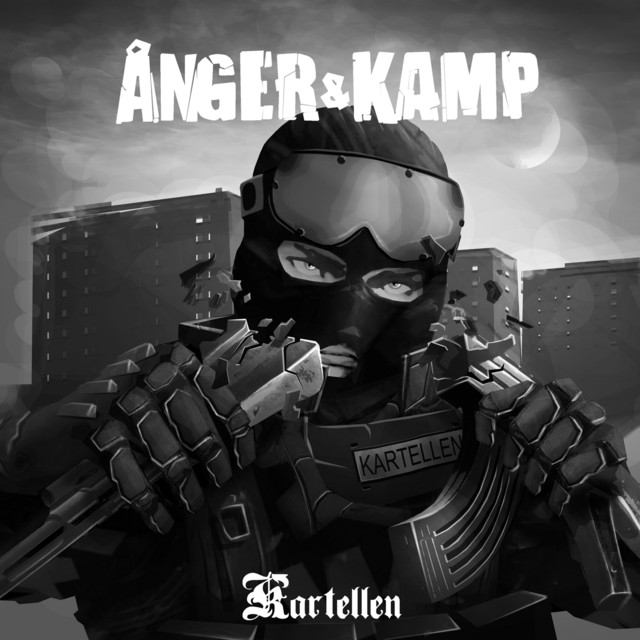
- Kartellen: a prominent late-2000s/2010s collective that presented aggressive, hard-edged narratives about gang life, rebellion, and the underside of the Swedish city.
- Looptroop Rockers and other contemporary crews: while not exclusively gangsta, they contributed to the spectrum by incorporating heavier, more assertive samples and street-centric themes.
Musical traits
- Language and voice: most songs are in Swedish, often delivered in a direct, punchy flow that prioritizes clarity and impact over polish.
- Production: heavy, bass-forward beats, with boom-bap-inspired drums, minor-key melodies, and occasional trap-adjacent cadences as global trends seep in.
- Lyrical focus: vivid depictions of street life, neighbor hood dynamics, economic struggle, policing and surveillance, loyalty, and survival.
- Aesthetic: an emphasis on authenticity and grit; a willingness to confront taboo topics and difficult social dynamics.
Geography and popularity
Swedish gangsta rap is primarily a national phenomenon, born from and rooted in Sweden’s urban suburbs. It enjoys a dedicated following in Sweden and has resonated with audiences in neighboring Nordic countries—Norway, Denmark, and Finland—where similar urban experiences and language affinity help the music travel. In recent years, Scandinavian tours, streaming, and online videos have expanded its reach to international listeners who prize Nordic rap’s stark realism and no-frills production.
Cultural footprint
The genre has sometimes sparked controversy and censorship, as its blunt portrayals of violence, crime, and police interaction clash with mainstream media norms. Yet it remains a crucial outlet for marginalized voices and a historical marker of how Swedish youth translate local realities into global rap language. For enthusiasts, Swedish gangsta rap offers a raw, unfiltered diary of contemporary urban life—distinct in its language, temperament, and sense of place, yet unmistakably part of the wider gangsta rap family. If you’re exploring Nordic hip hop, this subgenre is a powerful entry point into how Sweden faces its own urban shadows through rhythm and rhyme.
Origins and birth timeline
The scene crystallized in Sweden during the late 1990s and early 2000s, as artists from Stockholm’s council estates and other urban centers started transplanting US-style street narratives into Swedish language and sensibilities. The Latin Kings are frequently cited as early architects of this sound within the Swedish hip hop ecosystem, bringing a confrontational, neighborhood-focused voice to the fore. As the decade progressed, other acts followed, expanding the scope from raw hustle tales to more nuanced portraits of life on the edge of Swedish society. By the 2010s, a louder, more militant strand of gangsta rap emerged with groups and crews that foregrounded explicit street realism, gang affiliation, and police scrutiny, all while staying rooted in Swedish dialects, slang, and cultural references.
Key artists and ambassadors
- The Latin Kings: one of the foundational acts in Swedish hip hop, helping to legitimize a tougher, more street-centered mode of storytelling.
- Petter: a pivotal figure in bringing socio-realistic street narratives to a broader audience, blending personal history with urban hustle.
- Ken Ring: known for his raw, unvarnished take on Swedish urban life and a persona that embraced the street-level grit.
- Kartellen: a prominent late-2000s/2010s collective that presented aggressive, hard-edged narratives about gang life, rebellion, and the underside of the Swedish city.
- Looptroop Rockers and other contemporary crews: while not exclusively gangsta, they contributed to the spectrum by incorporating heavier, more assertive samples and street-centric themes.
Musical traits
- Language and voice: most songs are in Swedish, often delivered in a direct, punchy flow that prioritizes clarity and impact over polish.
- Production: heavy, bass-forward beats, with boom-bap-inspired drums, minor-key melodies, and occasional trap-adjacent cadences as global trends seep in.
- Lyrical focus: vivid depictions of street life, neighbor hood dynamics, economic struggle, policing and surveillance, loyalty, and survival.
- Aesthetic: an emphasis on authenticity and grit; a willingness to confront taboo topics and difficult social dynamics.
Geography and popularity
Swedish gangsta rap is primarily a national phenomenon, born from and rooted in Sweden’s urban suburbs. It enjoys a dedicated following in Sweden and has resonated with audiences in neighboring Nordic countries—Norway, Denmark, and Finland—where similar urban experiences and language affinity help the music travel. In recent years, Scandinavian tours, streaming, and online videos have expanded its reach to international listeners who prize Nordic rap’s stark realism and no-frills production.
Cultural footprint
The genre has sometimes sparked controversy and censorship, as its blunt portrayals of violence, crime, and police interaction clash with mainstream media norms. Yet it remains a crucial outlet for marginalized voices and a historical marker of how Swedish youth translate local realities into global rap language. For enthusiasts, Swedish gangsta rap offers a raw, unfiltered diary of contemporary urban life—distinct in its language, temperament, and sense of place, yet unmistakably part of the wider gangsta rap family. If you’re exploring Nordic hip hop, this subgenre is a powerful entry point into how Sweden faces its own urban shadows through rhythm and rhyme.