Genre
beach music
Top Beach music Artists
Showing 22 of 22 artists






About Beach music
Beach music is a sun-warmed, dance-friendly branch of American popular music that grew up along the Atlantic coast, especially around the Carolinas. Rooted in R&B, doo-wop, early rock ’n’ roll, and blues, it coalesced into a distinct scene in the 1950s and 1960s. The sound was designed for the beach clubs, dance halls, and summer boardwalks that lined cities like Myrtle Beach, North Myrtle Beach, Charleston, and Wilmington. By the mid-1960s, “Carolina beach music” had become a recognizable regional identity, with its own circuits, DJs, and seasonal festivals, even as it remained closely tied to the larger soul and pop traditions that fed it.
What defines the genre musically is a warm, horn-driven groove, tight vocal harmonies, and melodies built for social dancing. The arrangements favor punchy rhythms, catchy hooks, and a sense of carefree celebration. Typical tempos hover in a comfortable band of 80 to 110 beats per minute, perfect for the iconic shag dance—the Carolina shag—which is arguably the genre’s signature social dance. The shag created a built-in community around beach venues, with dance floors becoming as important as the songs themselves. Lyrically, beach music often leans toward romance, summertime nights, and good times with friends, all wrapped in a spirit of island-sunset optimism.
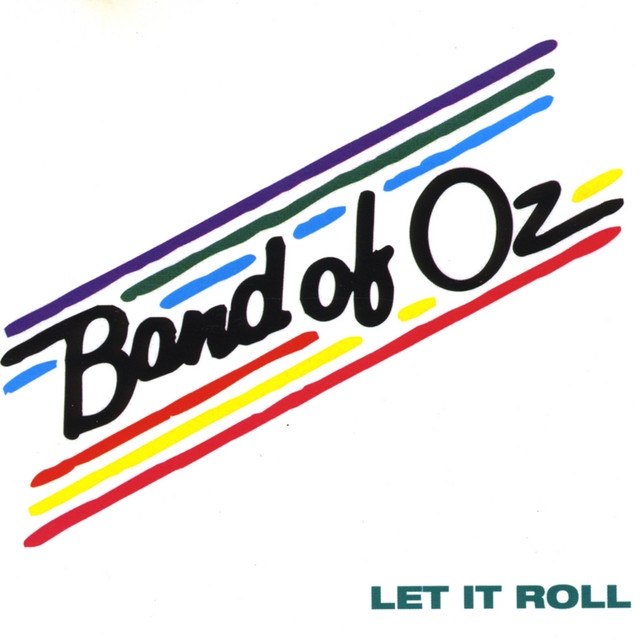
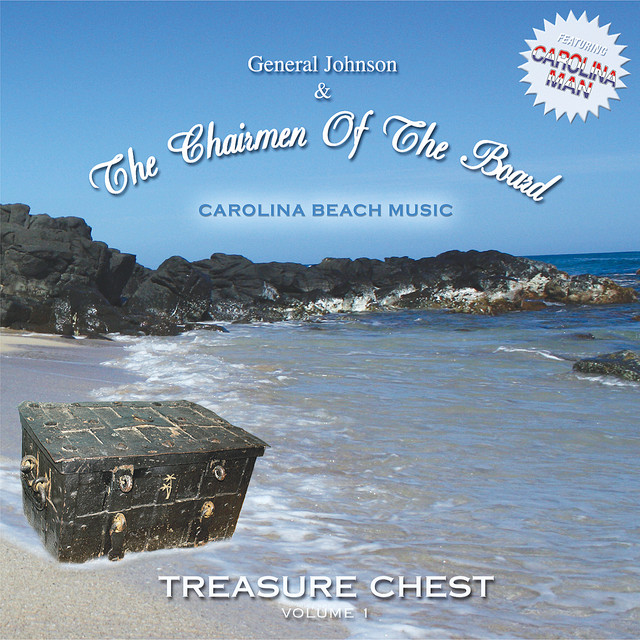
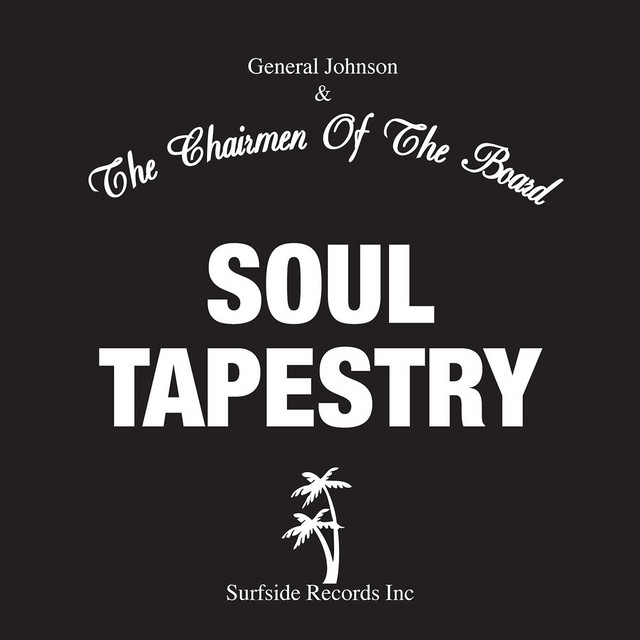
The scene has produced and attracted a number of emblematic artists who are still celebrated as ambassadors of the style. The Tams are one of the era’s best-known acts, famous for their upbeat phrasing and crowd-pleasing ensemble vocals, with early hits that became mantras of the genre’s feel-good mandate. The Chairmen of the Board, led by General Johnson, brought a polished, soulful edge to the sound with songs that crossed over into mainstream charts while staying true to the beach’s party atmosphere. The Embers, particularly the Craig Woolard-fronted era, have long been associated with keeping beach music’s live culture alive, touring widely in club circuits and regional festivals. Other recurrent names in the scene include The Band of Oz and The Catalinas, bands whose long-running presence helped sustain the genre between waves of pop fashion.
Geographically, the heart of beach music remains in the United States, with the Carolinas as its strongest base. It enjoys a dense, enduring following in North and South Carolina and has appreciable communities in neighboring Southeastern states such as Virginia, Georgia, and Tennessee. Beyond the U.S., a smaller but dedicated niche audience exists among classic-pop and retro-soul fans in parts of Europe and the United Kingdom, but the genre’s cultural gravity remains most powerful on the Atlantic coast and in club circuits that celebrate regional roots.
Today’s beach music sits at a gentle crossroads: it respects its past with reverent, seasonal revivals and veteran clubs, while inviting newer bands and DJs to reinterpret its grooves for contemporary dancers. If you’re chasing a sound that blends R&B’s swing with sunlit nostalgia and a dance-floor ethos, beach music offers a vivid, enduring shoreline.
What defines the genre musically is a warm, horn-driven groove, tight vocal harmonies, and melodies built for social dancing. The arrangements favor punchy rhythms, catchy hooks, and a sense of carefree celebration. Typical tempos hover in a comfortable band of 80 to 110 beats per minute, perfect for the iconic shag dance—the Carolina shag—which is arguably the genre’s signature social dance. The shag created a built-in community around beach venues, with dance floors becoming as important as the songs themselves. Lyrically, beach music often leans toward romance, summertime nights, and good times with friends, all wrapped in a spirit of island-sunset optimism.
The scene has produced and attracted a number of emblematic artists who are still celebrated as ambassadors of the style. The Tams are one of the era’s best-known acts, famous for their upbeat phrasing and crowd-pleasing ensemble vocals, with early hits that became mantras of the genre’s feel-good mandate. The Chairmen of the Board, led by General Johnson, brought a polished, soulful edge to the sound with songs that crossed over into mainstream charts while staying true to the beach’s party atmosphere. The Embers, particularly the Craig Woolard-fronted era, have long been associated with keeping beach music’s live culture alive, touring widely in club circuits and regional festivals. Other recurrent names in the scene include The Band of Oz and The Catalinas, bands whose long-running presence helped sustain the genre between waves of pop fashion.
Geographically, the heart of beach music remains in the United States, with the Carolinas as its strongest base. It enjoys a dense, enduring following in North and South Carolina and has appreciable communities in neighboring Southeastern states such as Virginia, Georgia, and Tennessee. Beyond the U.S., a smaller but dedicated niche audience exists among classic-pop and retro-soul fans in parts of Europe and the United Kingdom, but the genre’s cultural gravity remains most powerful on the Atlantic coast and in club circuits that celebrate regional roots.
Today’s beach music sits at a gentle crossroads: it respects its past with reverent, seasonal revivals and veteran clubs, while inviting newer bands and DJs to reinterpret its grooves for contemporary dancers. If you’re chasing a sound that blends R&B’s swing with sunlit nostalgia and a dance-floor ethos, beach music offers a vivid, enduring shoreline.