Genre
bhutanese pop
Top Bhutanese pop Artists
Showing 25 of 25 artists







About Bhutanese pop
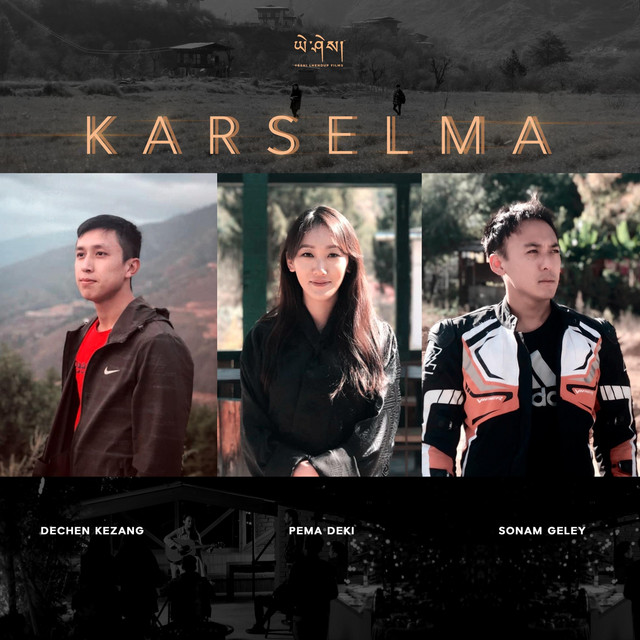
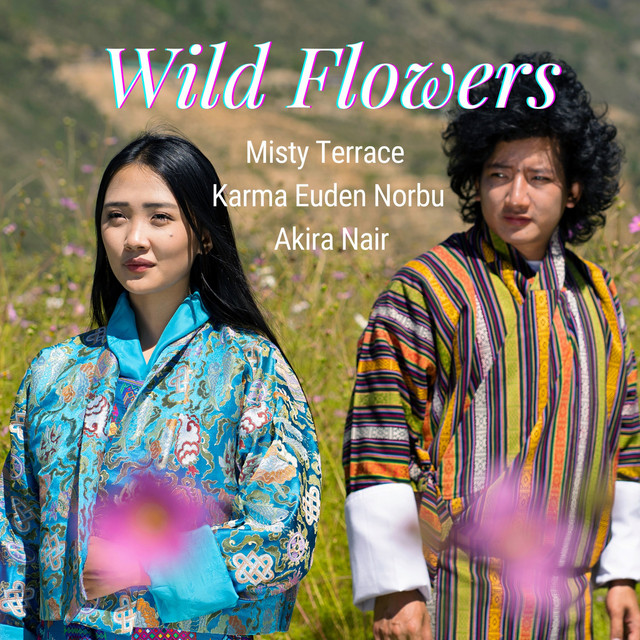
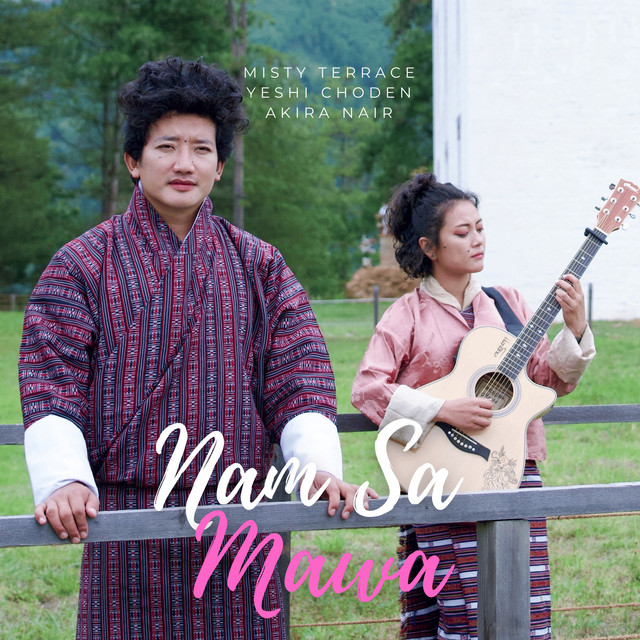
Bhutanese pop is a young, evolving strand of South Asian pop that sits at the crossroads of Dzongkha-speaking identity, Himalayan folk textures, and global pop production. It’s not a single sound so much as a growing ecosystem where local songwriters mix Western pop sensibilities with Bhutan’s melodic sensibilities and lyrical themes. Over the past two decades, it has emerged from a backdrop of increasing media access, youthful experimentation, and a sense of cultural pride, giving enthusiasts a soundtrack that feels both contemporary and distinctly Bhutanese.
Origins and birth
The late 1990s and early 2000s mark a period of rapid change in Bhutan’s media landscape. As satellite TV, the internet, and international music streams arrived, Bhutanese musicians began to write original songs in Dzongkha and other local languages rather than only performing traditional or imported tunes. This era saw the rise of homegrown studios, school bands, and community music scenes in Thimphu and other urban centers, where aspiring artists could craft pop songs that spoke to modern life while honoring local musical roots. The genre has since evolved through the influence of Bollywood, Indian pop, English-language pop, and regional Himalayan folk, producing a hybrid sound that remains accessible to both local audiences and curious listeners abroad.
Sound, language, and production
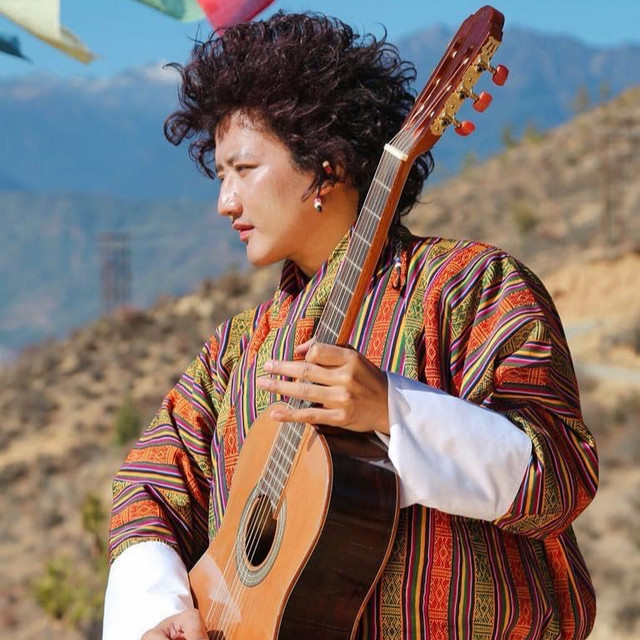
Bhutanese pop often centers strong, memorable choruses, melodic hooks, and polished studio production. Songs frequently blend Dzongkha or Nepali with English, widening appeal beyond strictly Bhutanese speakers. Instrumentation leans toward contemporary pop textures—electric guitar, piano, synths, and programmed drums—while weaving in elements of traditional music through tasteful touches of the dranyen (a long-necked lute) and folkloric percussion patterns. This combination creates a bright, radio-friendly palette that can feel intimate in ballads or buoyant in up-tempo tracks. The lyrical themes tend to range from love and family to modern-life reflections, personal growth, and occasional spiritual or nature-inspired imagery.
Diaspora and regional reach
Bhutanese pop remains most strongly rooted in Bhutan itself, where it plays a role in radio playlists, music videos, and live events linked to youth culture and cultural celebrations. However, Bhutanese musicians connected to the diaspora—particularly in India, Nepal, the United Kingdom, the United States, and Canada—help extend its reach. Streaming platforms, YouTube channels, and social media have made it easier for Bhutanese pop to find listeners among Bhutanese expatriates as well as curious global audiences drawn to fresh cross-cultural sounds. The genre’s appeal lies in its ability to sound contemporary while carrying Bhutan’s linguistic and musical fingerprints.
Ambassadors and key figures
Across its development, Bhutanese pop has produced a cadre of ambassadors—artists who actively promote the language, collaborate across styles, and perform at festivals and media events that showcase Bhutan’s contemporary music scene. Early pioneers and later-generation singer-songwriters alike are seen as cultural ambassadors, representing a Bhutanese approach to pop that honors tradition while embracing global influences. They often work with local broadcasters and emerging producers to nurture a vibrant, music-loving community, and many release singles online to reach listeners beyond Bhutan’s borders.
If you’d like, I can tailor this with specific artist names and current milestones from reliable sources, or adjust the focus to emphasize particular substyles within Bhutanese pop.
Origins and birth
The late 1990s and early 2000s mark a period of rapid change in Bhutan’s media landscape. As satellite TV, the internet, and international music streams arrived, Bhutanese musicians began to write original songs in Dzongkha and other local languages rather than only performing traditional or imported tunes. This era saw the rise of homegrown studios, school bands, and community music scenes in Thimphu and other urban centers, where aspiring artists could craft pop songs that spoke to modern life while honoring local musical roots. The genre has since evolved through the influence of Bollywood, Indian pop, English-language pop, and regional Himalayan folk, producing a hybrid sound that remains accessible to both local audiences and curious listeners abroad.
Sound, language, and production
Bhutanese pop often centers strong, memorable choruses, melodic hooks, and polished studio production. Songs frequently blend Dzongkha or Nepali with English, widening appeal beyond strictly Bhutanese speakers. Instrumentation leans toward contemporary pop textures—electric guitar, piano, synths, and programmed drums—while weaving in elements of traditional music through tasteful touches of the dranyen (a long-necked lute) and folkloric percussion patterns. This combination creates a bright, radio-friendly palette that can feel intimate in ballads or buoyant in up-tempo tracks. The lyrical themes tend to range from love and family to modern-life reflections, personal growth, and occasional spiritual or nature-inspired imagery.
Diaspora and regional reach
Bhutanese pop remains most strongly rooted in Bhutan itself, where it plays a role in radio playlists, music videos, and live events linked to youth culture and cultural celebrations. However, Bhutanese musicians connected to the diaspora—particularly in India, Nepal, the United Kingdom, the United States, and Canada—help extend its reach. Streaming platforms, YouTube channels, and social media have made it easier for Bhutanese pop to find listeners among Bhutanese expatriates as well as curious global audiences drawn to fresh cross-cultural sounds. The genre’s appeal lies in its ability to sound contemporary while carrying Bhutan’s linguistic and musical fingerprints.
Ambassadors and key figures
Across its development, Bhutanese pop has produced a cadre of ambassadors—artists who actively promote the language, collaborate across styles, and perform at festivals and media events that showcase Bhutan’s contemporary music scene. Early pioneers and later-generation singer-songwriters alike are seen as cultural ambassadors, representing a Bhutanese approach to pop that honors tradition while embracing global influences. They often work with local broadcasters and emerging producers to nurture a vibrant, music-loving community, and many release singles online to reach listeners beyond Bhutan’s borders.
If you’d like, I can tailor this with specific artist names and current milestones from reliable sources, or adjust the focus to emphasize particular substyles within Bhutanese pop.