Genre
birmingham indie
Top Birmingham indie Artists
Showing 25 of 86 artists


















About Birmingham indie
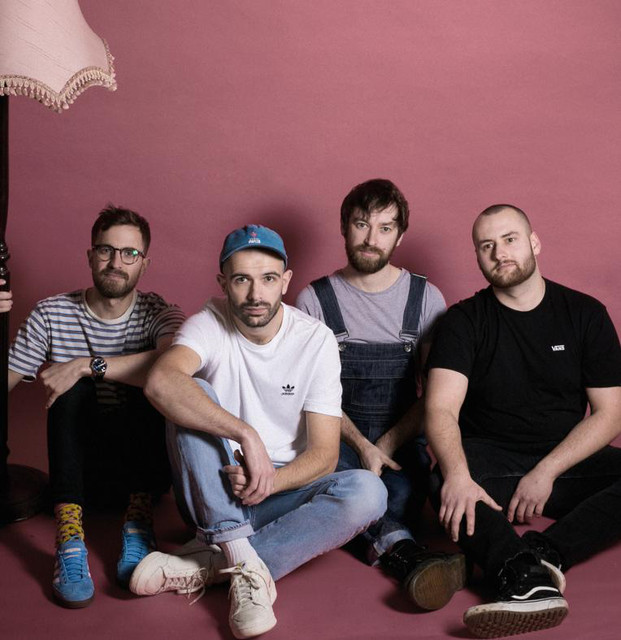
Birmingham indie is an informal label for the Midlands’ take on British indie rock and pop, anchored in Birmingham, England. It sits at a curious hinge between the city’s late-1960s Brum Beat lineage and the guitar-driven Britpop/indie wave that followed. As a scene, it prizes melodic hooks, sharp guitar work, and a sense of working-class storytelling, often with a touch of swagger and drought-friendly grit.
Origins and birth of the sound
The roots run deep. In the 1960s, Birmingham helped define an entire strand of British pop with bands that combined punchy riffs with catchy melodies—the so-called Brum Beat. The Spencer Davis Group, The Moody Blues, Traffic and other Birmingham outfits showed that guitar-led hooks could carry soul, blues, and psychedelia far beyond the city. That legacy became a quiet undercurrent that later Birmingham bands drew on when indie rock began to form its own modern identity in the late 1980s and early 1990s.
The modern Birmingham indie wave coalesced in clubs, rehearsal spaces, and small venues across Moseley, Handsworth, and the Jewellery Quarter. The sound found a voice in bands that merged straightforward rock energy with pop sensibilities, a combination that could feel both streetwise and warmly anthemic. By the mid-1990s, Birmingham had a recognisable fingerprint within the Britpop/indie milieu, even as acts across the country jostled for the same limelight.
Key ambassadors and emblematic moments
Ocean Colour Scene is the quintessential Brummie banner to outsiders and insiders alike. Hailing from Moseley, they crystallised a version of Brum indie that was soulful, riff-driven, and emotionally direct, with the 1996 album Moseley Shoals serving as a touchstone for the scene. Their success helped illuminate how a Birmingham-based band could punch through the UK-wide indie/pop ladder while staying deeply rooted in their hometown sound.
The Birmingham underground—long before streaming—also gave rise to other voices that enriched the scene’s texture. The Nightingales, a Birmingham post-punk/garage-leaning act, embodied the city’s appetite for scrappy, independent-minded music with a rougher edge. In the late 1990s and early 2000s, acts like King Adora carried the Brum indie flag into a glam-tinged, heavier direction, showing the genre’s flexibility and resistance to a single formula. Taken together, these artists illustrate how Birmingham indie has balanced grit with melody, and urgency with pop appeal.
Geography and audience
Birmingham indie is strongest in the United Kingdom, particularly the West Midlands and other parts of England, where the locality, venues, and radio have historically supported homegrown acts. Outside the UK, it found listeners among global indie communities who track Britpop-era sounds and post-punk revivals. In the streaming era, Birmingham bands reach wider audiences in Europe, North America, and beyond, but the core still carries that Brummie sensibility—tough-but-tuneful, with roots in a city famous for its industry and resilience.
Sound and identity today
Today, Birmingham indie remains less a rigid genre and more a scene identity—an umbrella for bands that echo the city’s musical heritage while exploring indie rock, pop, and alt-thinking approaches. It’s a sound defined by sturdy guitar lines, accessible choruses, and a working-class authenticity that refuses to sound either cynical or aloof. For enthusiasts, it’s a reminder that regional scenes can produce the most memorable and enduring contributions to the UK’s indie tapestry.
Origins and birth of the sound
The roots run deep. In the 1960s, Birmingham helped define an entire strand of British pop with bands that combined punchy riffs with catchy melodies—the so-called Brum Beat. The Spencer Davis Group, The Moody Blues, Traffic and other Birmingham outfits showed that guitar-led hooks could carry soul, blues, and psychedelia far beyond the city. That legacy became a quiet undercurrent that later Birmingham bands drew on when indie rock began to form its own modern identity in the late 1980s and early 1990s.
The modern Birmingham indie wave coalesced in clubs, rehearsal spaces, and small venues across Moseley, Handsworth, and the Jewellery Quarter. The sound found a voice in bands that merged straightforward rock energy with pop sensibilities, a combination that could feel both streetwise and warmly anthemic. By the mid-1990s, Birmingham had a recognisable fingerprint within the Britpop/indie milieu, even as acts across the country jostled for the same limelight.
Key ambassadors and emblematic moments
Ocean Colour Scene is the quintessential Brummie banner to outsiders and insiders alike. Hailing from Moseley, they crystallised a version of Brum indie that was soulful, riff-driven, and emotionally direct, with the 1996 album Moseley Shoals serving as a touchstone for the scene. Their success helped illuminate how a Birmingham-based band could punch through the UK-wide indie/pop ladder while staying deeply rooted in their hometown sound.
The Birmingham underground—long before streaming—also gave rise to other voices that enriched the scene’s texture. The Nightingales, a Birmingham post-punk/garage-leaning act, embodied the city’s appetite for scrappy, independent-minded music with a rougher edge. In the late 1990s and early 2000s, acts like King Adora carried the Brum indie flag into a glam-tinged, heavier direction, showing the genre’s flexibility and resistance to a single formula. Taken together, these artists illustrate how Birmingham indie has balanced grit with melody, and urgency with pop appeal.
Geography and audience
Birmingham indie is strongest in the United Kingdom, particularly the West Midlands and other parts of England, where the locality, venues, and radio have historically supported homegrown acts. Outside the UK, it found listeners among global indie communities who track Britpop-era sounds and post-punk revivals. In the streaming era, Birmingham bands reach wider audiences in Europe, North America, and beyond, but the core still carries that Brummie sensibility—tough-but-tuneful, with roots in a city famous for its industry and resilience.
Sound and identity today
Today, Birmingham indie remains less a rigid genre and more a scene identity—an umbrella for bands that echo the city’s musical heritage while exploring indie rock, pop, and alt-thinking approaches. It’s a sound defined by sturdy guitar lines, accessible choruses, and a working-class authenticity that refuses to sound either cynical or aloof. For enthusiasts, it’s a reminder that regional scenes can produce the most memorable and enduring contributions to the UK’s indie tapestry.