Genre
bisrock
Top Bisrock Artists
Showing 25 of 486 artists








About Bisrock
Bisrock, short for Bisaya rock, is a regional branch of Filipino rock that centers the Visayan languages—Cebuano, Hiligaynon, Waray—in contrast to the country’s common Tagalog-dominated mainstream. Born in the late 1990s to early 2000s in the Visayas and parts of Mindanao, it emerged from grassroots DIY scenes in Cebu City, Bacolod, Iloilo, Davao and nearby towns. Small clubs, college radio programs, and independent labels provided the first platforms for bands to sing in their mother tongues, addressing everyday life with wit, grit, and sincerity. In a country whose pop and rock mainstream had long prioritized Tagalog voices, Bisrock asserted regional pride and musical agency.
The sound is often raw but melodic, anchored in guitar, bass and drums, with a penchant for direct, everyday storytelling. Some outfits blend punk energy, indie textures and folk-inflected melodies; others push catchy hooks while staying firmly rooted in Visayan diction. Because the language itself informs rhythm and phrasing, Bisrock tunes frequently hinge on local idioms, proverbs, and humor, turning jeepneys, markets, family kitchens and street corners into vivid sonic scenes. The tempo ranges from hushed, introspective ballads to rousing, chantable anthems performed on bar stages and open-air fairs alike. Lyrical themes cover love and friendship, work and family, and social observations about life in regional centers and their ecosystems of resilience.
Birth and growth: the Bisrock label and term crystallized in the early 2000s as scenes across Cebu, Negros, Panay and Mindanao coalesced around shared languages and venues. As bands self-recorded demos, played local circuits and shared songs online, a sense of community formed—one that celebrated locality without sacrificing musical curiosity. By mid-2000s, BIS-language releases and regional festival showcases helped Bisrock migrate from purely local gigs to national discussion, while still thriving on the intimate scale of lively neighborhoods.
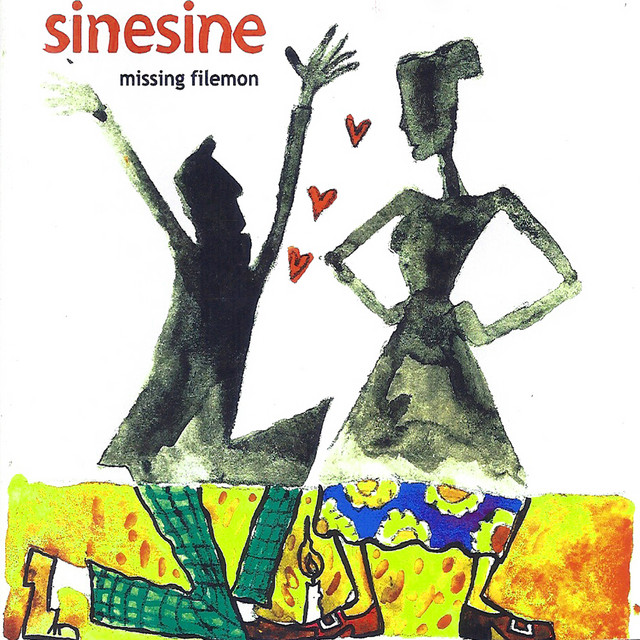
Key artists and ambassadors: Missing Filemon, a Cebu-based outfit, became one of the best-known early voices in Bisrock, translating real-life Cebuano life into tight, pointed songs. Other acts from the Visayas and southern Philippines continued to contribute to the scene, embracing language-driven rock that could cross into mainstream channels or maintain underground credibility. The genre’s ambassadors today are not single stars so much as a network of bands, venues, independent labels and online platforms that keep the language alive in contemporary guitar music. Festivals and radio shows across the Visayas and Mindanao remain crucial for discovery and community.
Geography and audience: Bisrock remains strongest in the Visayas and parts of Mindanao, where Cebuano and other Visayan languages bloom in rock idioms. It remains a Philippines-centered phenomenon with pockets of international fans among the Filipino diaspora in the United States, Canada, Australia, and the Middle East, who crave regional voices and the particular textures of Visayan rock. In a country famed for linguistic diversity, Bisrock stands as a vital reminder that language and melody can travel hand in hand, offering a distinct, intimate, and increasingly global musical identity. For new listeners, exploring Bisrock is like stepping into a living ethnography of the Visayas—a sound that grows as its communities grow.
The sound is often raw but melodic, anchored in guitar, bass and drums, with a penchant for direct, everyday storytelling. Some outfits blend punk energy, indie textures and folk-inflected melodies; others push catchy hooks while staying firmly rooted in Visayan diction. Because the language itself informs rhythm and phrasing, Bisrock tunes frequently hinge on local idioms, proverbs, and humor, turning jeepneys, markets, family kitchens and street corners into vivid sonic scenes. The tempo ranges from hushed, introspective ballads to rousing, chantable anthems performed on bar stages and open-air fairs alike. Lyrical themes cover love and friendship, work and family, and social observations about life in regional centers and their ecosystems of resilience.
Birth and growth: the Bisrock label and term crystallized in the early 2000s as scenes across Cebu, Negros, Panay and Mindanao coalesced around shared languages and venues. As bands self-recorded demos, played local circuits and shared songs online, a sense of community formed—one that celebrated locality without sacrificing musical curiosity. By mid-2000s, BIS-language releases and regional festival showcases helped Bisrock migrate from purely local gigs to national discussion, while still thriving on the intimate scale of lively neighborhoods.
Key artists and ambassadors: Missing Filemon, a Cebu-based outfit, became one of the best-known early voices in Bisrock, translating real-life Cebuano life into tight, pointed songs. Other acts from the Visayas and southern Philippines continued to contribute to the scene, embracing language-driven rock that could cross into mainstream channels or maintain underground credibility. The genre’s ambassadors today are not single stars so much as a network of bands, venues, independent labels and online platforms that keep the language alive in contemporary guitar music. Festivals and radio shows across the Visayas and Mindanao remain crucial for discovery and community.
Geography and audience: Bisrock remains strongest in the Visayas and parts of Mindanao, where Cebuano and other Visayan languages bloom in rock idioms. It remains a Philippines-centered phenomenon with pockets of international fans among the Filipino diaspora in the United States, Canada, Australia, and the Middle East, who crave regional voices and the particular textures of Visayan rock. In a country famed for linguistic diversity, Bisrock stands as a vital reminder that language and melody can travel hand in hand, offering a distinct, intimate, and increasingly global musical identity. For new listeners, exploring Bisrock is like stepping into a living ethnography of the Visayas—a sound that grows as its communities grow.