Genre
black metal
Top Black metal Artists
Showing 25 of 5,921 artists


About Black metal
Black metal is a subgenre of heavy metal characterized by its cold, abrasive atmosphere, shrieked or raspy vocals, tremolo-picked guitars, rapid blast beats, and often lo-fi production. It arose as a reaction against mainstream metal and aimed to evoke wintry, desolate landscapes, mythic or anti-religious themes, and a sense of transcendental extremity. While it embraces intensity, it is also steeped in atmosphere, ritual imagery, and a philosophy that prizes authenticity and distance from commercial spectacle.
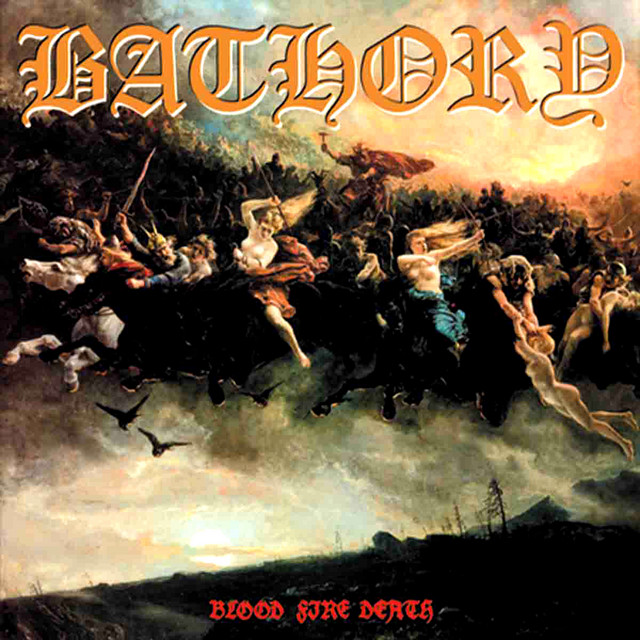
The genre’s birth is frequently traced to the early 1990s Norwegian scene, though its roots reach back to the 1980s with proto-black metal acts. Bands such as Bathory (Sweden), Immortal and Mayhem (Norway), Darkthrone, and Burzum helped crystallize the sound and attitude. Venom’s 1982 approach and Bathory’s early recordings provided the model for a raw, shuddering take on metal, but it was in Norway that the style coalesced into a distinct, more relentless identity. The second wave—led by Mayhem, Burzum, Darkthrone, and Emperor—defined the core aesthetic: glacial riffs, relentless speed, and a lyrical appetite for wintery, mythic, and anti-religious imagery. The period around 1991–1994 produced iconic records such as Mayhem’s De Mysteriis Dom Sathanas, Burzum’s Filosofem, Darkthrone’s A Blaze in the Northern Sky, and Emperor’s In the Nightside Eclipse, which helped codify black metal’s signature sound and ambitions.
Ambassadors and essential figures span both musicians and myths. Mayhem’s Euronymous became a central figure in shaping the scene’s ethics and sound, while Dead’s tortured vocal style and the group’s infamous history contributed to the genre’s aura of tragedy and fanaticism. Burzum’s Varg Vikernes popularized a stark, minimalist approach that foregrounded atmosphere and atmosphere-driven composition. Other pivotal acts include Satyricon, Gorgoroth, and Dissection (a Swedish project often cited for its melodic turn), as well as Immortal and Emperor, who pushed black metal into epic, symphonic dimensions without losing its cold edge.
Black metal is most popular in Nordic countries—Norway, Sweden, and Finland—where its origins and imagery feel most immediate. It also has substantial concentrations of fans and active scenes in the United States and parts of Western and Central Europe (Germany, the Netherlands, France, Italy, the United Kingdom). Outside Europe, Brazil, Russia, and Japan host vibrant communities and prolific releases, illustrating the genre’s global reach while often maintaining its distinctly Nordic, anti-commercial ethos as a touchstone.
Lyrically and visually, black metal frequently engages themes of nature, myth, pagan or occult elements, and a critique of organized religion, though bands diverge widely in their stance—from philosophical introspection to mythic storytelling or social critique. The genre continues to evolve through subgenres such as blackened melodic metal, depressive/atmospheric black metal, and more experimental fusions, while keeping the core emphasis on mood, intensity, and a sense of existential otherness that thrills music enthusiasts who crave music that feels ancient and abrasive at once.
The genre’s birth is frequently traced to the early 1990s Norwegian scene, though its roots reach back to the 1980s with proto-black metal acts. Bands such as Bathory (Sweden), Immortal and Mayhem (Norway), Darkthrone, and Burzum helped crystallize the sound and attitude. Venom’s 1982 approach and Bathory’s early recordings provided the model for a raw, shuddering take on metal, but it was in Norway that the style coalesced into a distinct, more relentless identity. The second wave—led by Mayhem, Burzum, Darkthrone, and Emperor—defined the core aesthetic: glacial riffs, relentless speed, and a lyrical appetite for wintery, mythic, and anti-religious imagery. The period around 1991–1994 produced iconic records such as Mayhem’s De Mysteriis Dom Sathanas, Burzum’s Filosofem, Darkthrone’s A Blaze in the Northern Sky, and Emperor’s In the Nightside Eclipse, which helped codify black metal’s signature sound and ambitions.
Ambassadors and essential figures span both musicians and myths. Mayhem’s Euronymous became a central figure in shaping the scene’s ethics and sound, while Dead’s tortured vocal style and the group’s infamous history contributed to the genre’s aura of tragedy and fanaticism. Burzum’s Varg Vikernes popularized a stark, minimalist approach that foregrounded atmosphere and atmosphere-driven composition. Other pivotal acts include Satyricon, Gorgoroth, and Dissection (a Swedish project often cited for its melodic turn), as well as Immortal and Emperor, who pushed black metal into epic, symphonic dimensions without losing its cold edge.
Black metal is most popular in Nordic countries—Norway, Sweden, and Finland—where its origins and imagery feel most immediate. It also has substantial concentrations of fans and active scenes in the United States and parts of Western and Central Europe (Germany, the Netherlands, France, Italy, the United Kingdom). Outside Europe, Brazil, Russia, and Japan host vibrant communities and prolific releases, illustrating the genre’s global reach while often maintaining its distinctly Nordic, anti-commercial ethos as a touchstone.
Lyrically and visually, black metal frequently engages themes of nature, myth, pagan or occult elements, and a critique of organized religion, though bands diverge widely in their stance—from philosophical introspection to mythic storytelling or social critique. The genre continues to evolve through subgenres such as blackened melodic metal, depressive/atmospheric black metal, and more experimental fusions, while keeping the core emphasis on mood, intensity, and a sense of existential otherness that thrills music enthusiasts who crave music that feels ancient and abrasive at once.