Genre
blackened deathcore
Top Blackened deathcore Artists
Showing 8 of 8 artists


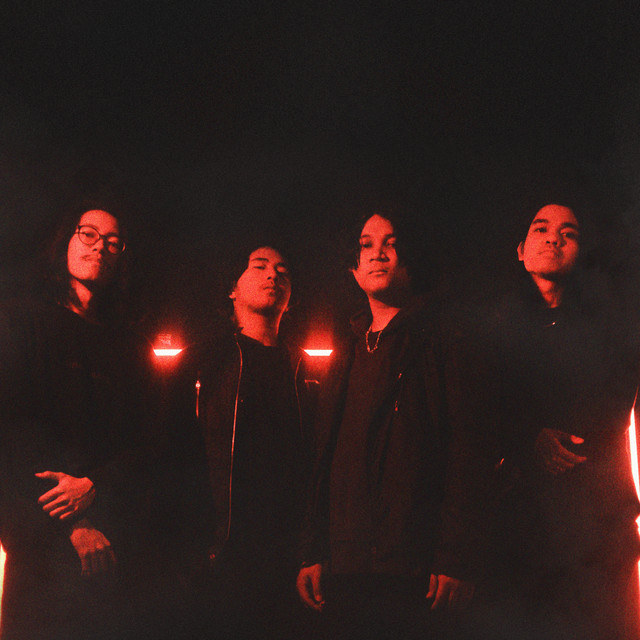

About Blackened deathcore
Blackened deathcore is a ferocious fusion that sits at the crossroads of black metal’s icy atmosphere and the brutal intensity of deathcore’s breakdown-driven aggression. It’s not just a throwback blend; it’s a distinct approach that borrows the tremolo-picked riffs, blast beats, and shrieked or raspy vocal textures of black metal and marries them to the downtuned guitars, chugging grooves, and punishing rhythm section of deathcore. The result is a sound that can feel both frostbitten and brutally heavy, capable of tearing through a set with avalanche-like percussion and a wall of guitar tones.
How and when it was born
The concept began to crystallize in the late 2000s and early 2010s as bands in the extreme metal underground started cross-pollinating. Artists in North America and Europe began pushing deathcore beyond its slam-like, mosh-ready roots by weaving black metal’s atmospherics, faster tremolo passages, and darker lyrical aesthetics into the core deathcore template. The movement didn’t have a single moment of birth so much as a slow coalescence: bands testing the edges of both genres, producers embracing the heaviness of blackened textures, and listeners rewarding the more sinister, cinematic approach. Over the following decade, a number of acts would become touchstones, shaping the genre’s identity and showing what blackened deathcore could feel like in a live room or on a record.
Sound and aesthetics
If you listen closely, you’ll hear: relentless blast-beat flurries, tremolo-picked riffs that shimmer with a black metal glow, and breakdowns that hit like a hammer blow. Vocals range from high, rasped shrieks to guttural growls, often layered to create a chilling, choir-like effect. Production tends toward dense, multi-layered guitars with dynamic contrast—moments of bleak ambience can give way to earth-shattering, slam-heavy sections. Lyrically and atmospherically, the music often leans into horror, nihilism, and occult or otherworldly imagery, all wrapped in a mood that can swing from cold restraint to unhinged ferocity in a single track.
Ambassadors and key acts
In discussions of the genre, a few acts are frequently cited as ambassadors or influential builders of the sound. Lorna Shore is one of the most prominent modern examples, blending extreme velocity and brutal breakdowns with ominous, blackened textures that propel their music into a ferocious, atmospheric realm. Shadow of Intent is another act often pointed to for its fusion of symphonic, blackened elements with deathcore-driven structure and intensity. On the wider deathcore front, bands like Carnifex and Whitechapel have incorporated blackened textures at various points, helping bring the concept into a broader audience; their releases show how blackened deathcore can sit alongside more traditional deathcore while still pushing darker, more ambitious sonics.
Geography and popularity
Blackened deathcore has found substantial followings wherever extreme metal communities thrive. The United States remains a primary hub, with robust scenes across the East and West coasts and in the Midwest. Europe houses vibrant pockets in the UK, Scandinavia, and parts of Western Europe, where black metal’s influence has long run strong. Brazil, Australia, and parts of Southeast Asia also host active clusters of bands and fans, reflecting the global appetite for extreme, cinematic metal. Streaming platforms and live festivals have accelerated cross-pollination, helping fans discover regional bands that fuse blackened atmospheres with deathcore’s aggression.
If you’re exploring this hybrid, start with Lorna Shore or Shadow of Intent to hear the blueprint in action, then branch into bands that push the extremes of atmosphere and breakdowns. Blackened deathcore rewards attentive listening—where mood, texture, and tempo collide in a single blast of sound.
How and when it was born
The concept began to crystallize in the late 2000s and early 2010s as bands in the extreme metal underground started cross-pollinating. Artists in North America and Europe began pushing deathcore beyond its slam-like, mosh-ready roots by weaving black metal’s atmospherics, faster tremolo passages, and darker lyrical aesthetics into the core deathcore template. The movement didn’t have a single moment of birth so much as a slow coalescence: bands testing the edges of both genres, producers embracing the heaviness of blackened textures, and listeners rewarding the more sinister, cinematic approach. Over the following decade, a number of acts would become touchstones, shaping the genre’s identity and showing what blackened deathcore could feel like in a live room or on a record.
Sound and aesthetics
If you listen closely, you’ll hear: relentless blast-beat flurries, tremolo-picked riffs that shimmer with a black metal glow, and breakdowns that hit like a hammer blow. Vocals range from high, rasped shrieks to guttural growls, often layered to create a chilling, choir-like effect. Production tends toward dense, multi-layered guitars with dynamic contrast—moments of bleak ambience can give way to earth-shattering, slam-heavy sections. Lyrically and atmospherically, the music often leans into horror, nihilism, and occult or otherworldly imagery, all wrapped in a mood that can swing from cold restraint to unhinged ferocity in a single track.
Ambassadors and key acts
In discussions of the genre, a few acts are frequently cited as ambassadors or influential builders of the sound. Lorna Shore is one of the most prominent modern examples, blending extreme velocity and brutal breakdowns with ominous, blackened textures that propel their music into a ferocious, atmospheric realm. Shadow of Intent is another act often pointed to for its fusion of symphonic, blackened elements with deathcore-driven structure and intensity. On the wider deathcore front, bands like Carnifex and Whitechapel have incorporated blackened textures at various points, helping bring the concept into a broader audience; their releases show how blackened deathcore can sit alongside more traditional deathcore while still pushing darker, more ambitious sonics.
Geography and popularity
Blackened deathcore has found substantial followings wherever extreme metal communities thrive. The United States remains a primary hub, with robust scenes across the East and West coasts and in the Midwest. Europe houses vibrant pockets in the UK, Scandinavia, and parts of Western Europe, where black metal’s influence has long run strong. Brazil, Australia, and parts of Southeast Asia also host active clusters of bands and fans, reflecting the global appetite for extreme, cinematic metal. Streaming platforms and live festivals have accelerated cross-pollination, helping fans discover regional bands that fuse blackened atmospheres with deathcore’s aggression.
If you’re exploring this hybrid, start with Lorna Shore or Shadow of Intent to hear the blueprint in action, then branch into bands that push the extremes of atmosphere and breakdowns. Blackened deathcore rewards attentive listening—where mood, texture, and tempo collide in a single blast of sound.