Genre
blasmusik
Top Blasmusik Artists
Showing 12 of 12 artists



About Blasmusik
Blasmusik is a term used in German-speaking regions to describe wind-band music performed by brass and woodwind instruments with percussion, rooted in civic bands, military marches, and regional dance traditions. Typical ensembles feature trumpets, trombones, tubas, euphoniums, and horns, often with clarinets and a percussion section. The sound ranges from bright, martial fanfares to lush, lyrical passages and danceable polkas and waltzes. Repertoire spans marches, polkas, and mazurkas, as well as folk tunes, classical arrangements, film and pop-inspired pieces, and modern crossover numbers that blend traditional timbres with contemporary grooves. For many listeners, Blasmusik evokes outdoor concerts, festivity, and the communal spirit of local music societies.
Historically, Blasmusik crystallized in the 19th century as European military and civic brass bands expanded beyond the army into public life. In the Alpine and Central European worlds, towns and villages organized Musikkapellen that played for parades, fairs, church feasts, and seasonal celebrations. The genre’s language—clear horn lines, sturdy rhythms, and accessible melodies—made it well suited to communal participation. Over the decades, Blasmusik absorbed the dance forms and popular songs of its time, evolving from strictly ceremonial music toward concert pieces and arrangements that could be enjoyed in clubs, theaters, and festival stages. The postwar era in particular saw Blasmusik become a vehicle for regional pride, tourism, and cross-border exchange, helping it migrate from strictly rural contexts into urban concert halls and festival circuits.
In terms of repertoire and style, Blasmusik celebrates the “march-polkas-waltz” formula, but modern ensembles increasingly embrace arrangements of contemporary tunes, film music, and world music influences. The genre also thrives in youth and community bands that train generations of musicians, ensuring a steady flow of players who bring technical polish and informal vitality to performances. The blend of disciplined ensemble playing with expressive timbres—trumpet bright, euphonium singing, tuba grounding—remains its signature appeal.
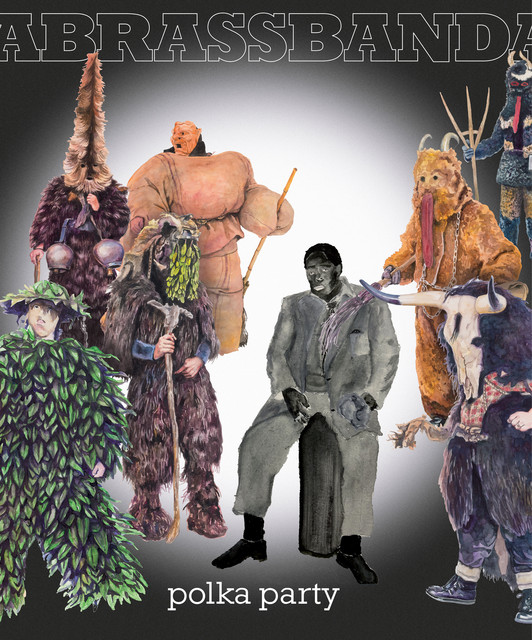
Key artists and ambassadors of Blasmusik in the contemporary scene include acts that have brought the tradition to wider audiences. LaBrassBanda, a Bavarian brass band formed in the 2000s, fuses traditional brass writing with rock and pop energy, delivering festival-ready shows that have broadened the audience for Blasmusik beyond its core regions. Mnozil Brass, an Austrian ensemble renowned for virtuosic playing paired with theatrical humor, has toured internationally and helped popularize brass artistry as both concert and performance art. These groups, along with numerous regional Musikkapellen and festival circuits, act as ambassadors by translating Blasmusik’s roots into accessible, celebratory music.
Blasmusik is most deeply rooted in Austria and southern Germany (notably Bavaria and Tyrol), with strong presence in Switzerland and the Italian Alps (South Tyrol). It also has visibility in neighboring Czech and Slovene cultural spheres where Bohemian and folk-band traditions intersect with wind-band practice. For enthusiasts, the genre offers a vibrant live culture: outdoor summer concerts, parades, beer gardens, village festivals, and dedicated brass-band competitions. If you crave music that combines communal spirit, precise ensemble craft, and melody-driven storytelling, Blasmusik offers a richly layered, enduring landscape.
Historically, Blasmusik crystallized in the 19th century as European military and civic brass bands expanded beyond the army into public life. In the Alpine and Central European worlds, towns and villages organized Musikkapellen that played for parades, fairs, church feasts, and seasonal celebrations. The genre’s language—clear horn lines, sturdy rhythms, and accessible melodies—made it well suited to communal participation. Over the decades, Blasmusik absorbed the dance forms and popular songs of its time, evolving from strictly ceremonial music toward concert pieces and arrangements that could be enjoyed in clubs, theaters, and festival stages. The postwar era in particular saw Blasmusik become a vehicle for regional pride, tourism, and cross-border exchange, helping it migrate from strictly rural contexts into urban concert halls and festival circuits.
In terms of repertoire and style, Blasmusik celebrates the “march-polkas-waltz” formula, but modern ensembles increasingly embrace arrangements of contemporary tunes, film music, and world music influences. The genre also thrives in youth and community bands that train generations of musicians, ensuring a steady flow of players who bring technical polish and informal vitality to performances. The blend of disciplined ensemble playing with expressive timbres—trumpet bright, euphonium singing, tuba grounding—remains its signature appeal.
Key artists and ambassadors of Blasmusik in the contemporary scene include acts that have brought the tradition to wider audiences. LaBrassBanda, a Bavarian brass band formed in the 2000s, fuses traditional brass writing with rock and pop energy, delivering festival-ready shows that have broadened the audience for Blasmusik beyond its core regions. Mnozil Brass, an Austrian ensemble renowned for virtuosic playing paired with theatrical humor, has toured internationally and helped popularize brass artistry as both concert and performance art. These groups, along with numerous regional Musikkapellen and festival circuits, act as ambassadors by translating Blasmusik’s roots into accessible, celebratory music.
Blasmusik is most deeply rooted in Austria and southern Germany (notably Bavaria and Tyrol), with strong presence in Switzerland and the Italian Alps (South Tyrol). It also has visibility in neighboring Czech and Slovene cultural spheres where Bohemian and folk-band traditions intersect with wind-band practice. For enthusiasts, the genre offers a vibrant live culture: outdoor summer concerts, parades, beer gardens, village festivals, and dedicated brass-band competitions. If you crave music that combines communal spirit, precise ensemble craft, and melody-driven storytelling, Blasmusik offers a richly layered, enduring landscape.