Genre
bluegrass fiddle
Top Bluegrass fiddle Artists
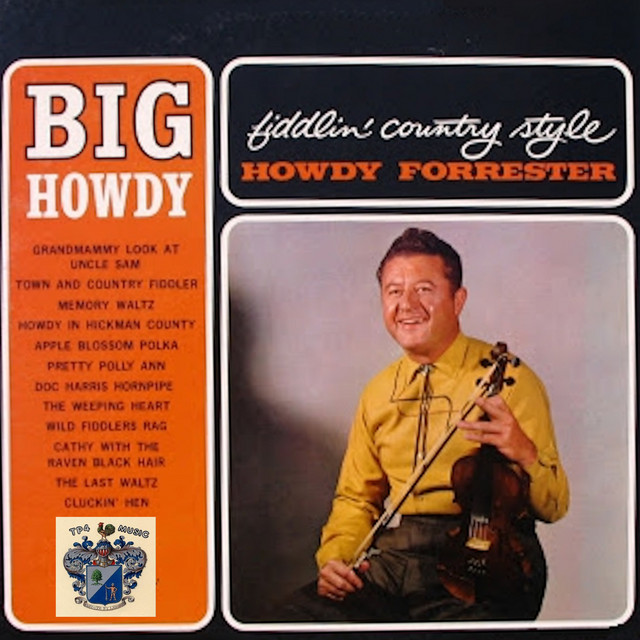

About Bluegrass fiddle
Bluegrass fiddle is the high-luminosity violin voice at the heart of bluegrass music. It turns tunes into sprinting melodies, swingy solos, and storytelling lines all in a single bow stroke. In a typical bluegrass setup, the fiddle leads during breaks, replies to the mandolin, and locks into the driving, four-beat groove that props up the faster tempos. The style blends Appalachian old-time fiddling with gospel warmth and the Irish/Scottish ballad tradition, yielding a sound that is earthy and radiant, traditional in roots yet propulsive and modern in approach.
Born in the mid-20th century American South, bluegrass as a genre crystallized in the 1940s when Bill Monroe formed his Blue Grass Boys and codified a conspicuously virtuosic, tempo-forward fiddle idiom. The name comes from Monroe’s band and the Kentucky bluegrass region. The earliest fiddle stars—Chubby Wise and Kenny Baker—pushed the instrument from accompaniment into bold melodic lead. Wise’s bright, singing lines and Baker’s agile bowing became touchstones for a generation, ensuring the fiddle would be indispensable to the bluegrass sound, from hot two-steps to plaintive waltzes.
Technique in bluegrass fiddle emphasizes clean intonation, precise bow control, and a ready improvisational instinct. Players rely on double stops, hammer-ons, and quick bow crossings to articulate melody and rhythm. Repertoire runs from traditional fiddle tunes—Salt Creek, Blackberry Blossom, Cumberland Gap—to gospel and swing-inflected numbers. A fiddle break is often a conversation with the band: a virtuoso solo that fits tightly within the chord changes, then returns to the driving rhythm. The result is a blend of precision, drive, and expressive nuance that rewards both a practiced ear and a love of joyful dancing.
Across decades, certain fiddlers have become ambassadors for the craft. Bill Monroe laid the blueprint; Chubby Wise and Kenny Baker expanded it in the 1950s; Vassar Clements bridged bluegrass to broader audiences with a lyrical, improvisational voice in the 1960s onward; Darol Anger helped steer the ‘newgrass’ generation toward hybrid, leaning-on-Georgia-swing ideas in the 1970s and beyond; Stuart Duncan has become the contemporary standard-bearer, blending orchestral precision with fiery swing in sessions with Bela Fleck, Alison Krauss’ Union Station, and the Time Jumpers. Modern stars like Michael Cleveland and Sierra Hull keep pushing the frontier while honoring tradition.
Bluegrass fiddling thrives most strongly in the United States, especially in Kentucky, Tennessee, and Virginia, but its appeal travels worldwide. Canada, the United Kingdom, Ireland, the Netherlands, Germany, Sweden, Japan, and Australia host vibrant scenes and festivals, with international bluegrass events and IBMA-sanctioned gatherings drawing players from many countries. The genre’s export has grown through labels, televised performances, and cross-genre collaborations, helping the fiddle find a place in contemporary roots music, Americana, and even jazz-inflected shows. Listening to bluegrass fiddle, you hear a diaspora of fiddling traditions—Irish jigs, Scottish marches, old-time licks—reassembled as bright, communal music.
Whether you’re a life-long bluegrass devotee or a curious newcomer, the fiddle in bluegrass offers a gateway to speed, nuance, and joyful communal singing. Seek out classic recordings, modern collaborations, and live festivals to hear how the style preserves its heritage while continuing to reinvent itself.
Born in the mid-20th century American South, bluegrass as a genre crystallized in the 1940s when Bill Monroe formed his Blue Grass Boys and codified a conspicuously virtuosic, tempo-forward fiddle idiom. The name comes from Monroe’s band and the Kentucky bluegrass region. The earliest fiddle stars—Chubby Wise and Kenny Baker—pushed the instrument from accompaniment into bold melodic lead. Wise’s bright, singing lines and Baker’s agile bowing became touchstones for a generation, ensuring the fiddle would be indispensable to the bluegrass sound, from hot two-steps to plaintive waltzes.
Technique in bluegrass fiddle emphasizes clean intonation, precise bow control, and a ready improvisational instinct. Players rely on double stops, hammer-ons, and quick bow crossings to articulate melody and rhythm. Repertoire runs from traditional fiddle tunes—Salt Creek, Blackberry Blossom, Cumberland Gap—to gospel and swing-inflected numbers. A fiddle break is often a conversation with the band: a virtuoso solo that fits tightly within the chord changes, then returns to the driving rhythm. The result is a blend of precision, drive, and expressive nuance that rewards both a practiced ear and a love of joyful dancing.
Across decades, certain fiddlers have become ambassadors for the craft. Bill Monroe laid the blueprint; Chubby Wise and Kenny Baker expanded it in the 1950s; Vassar Clements bridged bluegrass to broader audiences with a lyrical, improvisational voice in the 1960s onward; Darol Anger helped steer the ‘newgrass’ generation toward hybrid, leaning-on-Georgia-swing ideas in the 1970s and beyond; Stuart Duncan has become the contemporary standard-bearer, blending orchestral precision with fiery swing in sessions with Bela Fleck, Alison Krauss’ Union Station, and the Time Jumpers. Modern stars like Michael Cleveland and Sierra Hull keep pushing the frontier while honoring tradition.
Bluegrass fiddling thrives most strongly in the United States, especially in Kentucky, Tennessee, and Virginia, but its appeal travels worldwide. Canada, the United Kingdom, Ireland, the Netherlands, Germany, Sweden, Japan, and Australia host vibrant scenes and festivals, with international bluegrass events and IBMA-sanctioned gatherings drawing players from many countries. The genre’s export has grown through labels, televised performances, and cross-genre collaborations, helping the fiddle find a place in contemporary roots music, Americana, and even jazz-inflected shows. Listening to bluegrass fiddle, you hear a diaspora of fiddling traditions—Irish jigs, Scottish marches, old-time licks—reassembled as bright, communal music.
Whether you’re a life-long bluegrass devotee or a curious newcomer, the fiddle in bluegrass offers a gateway to speed, nuance, and joyful communal singing. Seek out classic recordings, modern collaborations, and live festivals to hear how the style preserves its heritage while continuing to reinvent itself.