Genre
bolero
Top Bolero Artists
Showing 25 of 3,304 artists


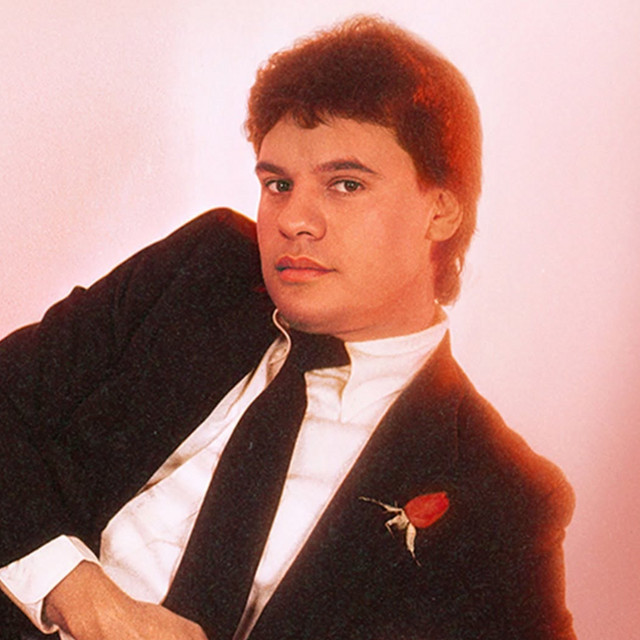
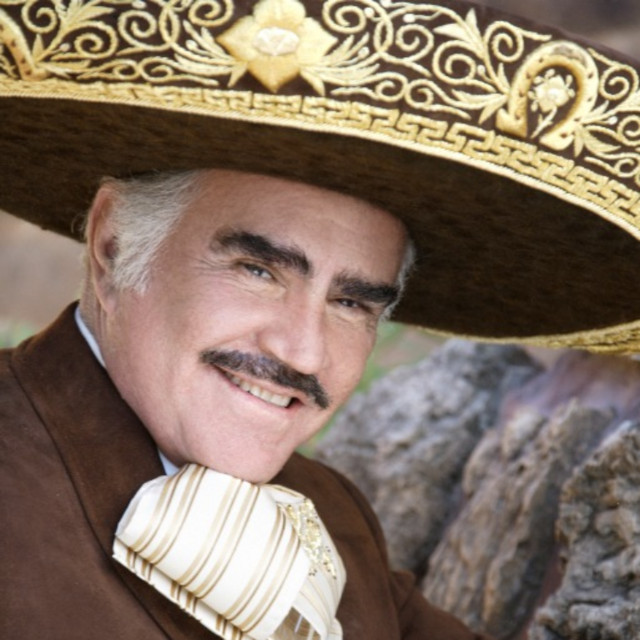

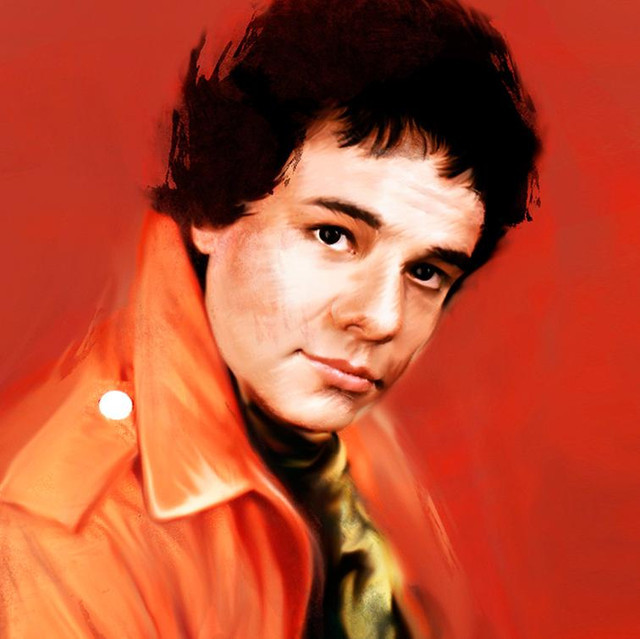

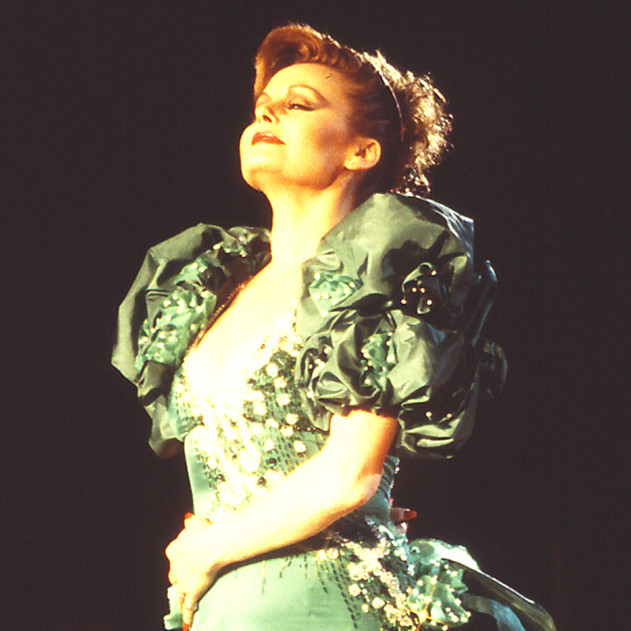






About Bolero
Bolero is a romance-forward strand of Latin American song that sits at once intimate and expansive. Born in Cuba in the late 19th century, it grew from a confluence of Spanish canción and Afro-Cuban rhythms—especially the habanera and contradanza—before crystallizing into a guitar-driven, emotionally direct ballad form. The tempo is measured, the mood contemplative, and the lyrics center on longing, love won or lost, and the ache of distance. Although its name evokes a Spanish dance, the bolero most often refers to the song tradition that accompanied the dance in some regions, and to the later, more universal ballad style it became across Latin America.
In its early decades, Cuban composers like Sindo Garay, Pepe Sánchez, and Manuel Corona helped establish the bolero’s core idiom: a simple, elegant melodic line, flexible cadences, and a lyric that could be sung with a soft, almost conversational tenderness. The form traveled beyond Cuba, mutating as it interacted with radio, cinema, and the immense migrations within the Spanish-speaking world. By the 1930s–1950s, the bolero had become a popular urban sound across the Americas, with ensembles and singers refining the balance between lyricism and rhythm. It often featured guitar as the backbone, sometimes joined by piano, strings, and light percussion, creating a velvet canvas for a singer’s vocal expressivity.
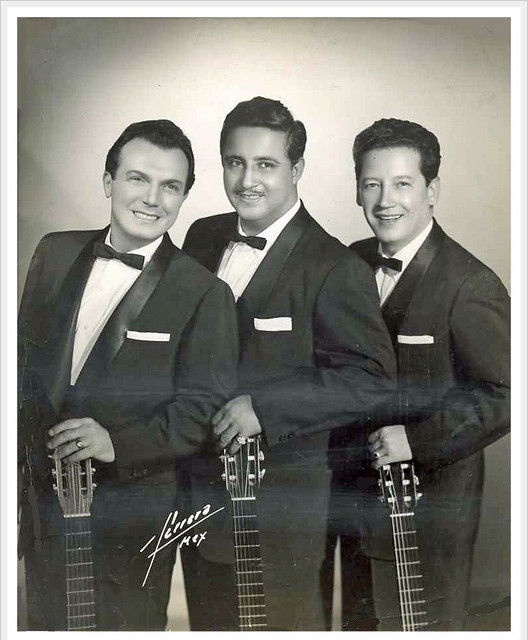
If you want the ambassadors of the bolero, you can’t ignore the Mexican golden age of the genre, which gave it a distinctly intimate, pop-oriented sheen that still sounds contemporary. The Los Panchos—an enduring trio formed in the 1940s—brought lush harmonies and a signature intimacy to the bolero, helping to popularize songs through radio and film. Consuelo Velázquez’s Bésame Mucho (1940) is one of the era’s defining standards, a piece that has been interpreted countless times and across genres, exemplifying how bolero tenderness can become a timeless universal language. Agustín Lara followed with Solamente una vez and other melodramatic classics that fuse grand melodic gesture with intimate sentiment. Armando Manzanero, a later luminary, kept the flame alive in the 1960s and beyond with a catalog of songs that remain touchstones of Latin romance.
Across the Caribbean and the Americas, other centers contributed to the bolero’s evolution. In Cuba, the tradition persisted through ensembles like Trío Matamoros, who helped codify the bolero-son hybrid that could ride both sentimental sentiment and a touch of groove. In Puerto Rico, Colombia, Venezuela, and Spain, interpreters and composers added regional inflections—northern guitar phrasings, Caribbean percussion colors, and Spanish melodic sensibilities—keeping the bolero alive as a living, breathing form.
Today, the bolero remains a touchstone for music enthusiasts who savor lyric nuance and melodic arch. It is a genre that invites quiet listening and passionate singing alike, a romantic lens through which generations have expressed longing, devotion, and the ache of distance. For the curious listener, tracing bolero from its Cuban birth through its Mexican, Puerto Rican, and Spanish echoes offers a clear map of how a simple, poignant song can travel, endure, and continuously reinvent itself.
In its early decades, Cuban composers like Sindo Garay, Pepe Sánchez, and Manuel Corona helped establish the bolero’s core idiom: a simple, elegant melodic line, flexible cadences, and a lyric that could be sung with a soft, almost conversational tenderness. The form traveled beyond Cuba, mutating as it interacted with radio, cinema, and the immense migrations within the Spanish-speaking world. By the 1930s–1950s, the bolero had become a popular urban sound across the Americas, with ensembles and singers refining the balance between lyricism and rhythm. It often featured guitar as the backbone, sometimes joined by piano, strings, and light percussion, creating a velvet canvas for a singer’s vocal expressivity.
If you want the ambassadors of the bolero, you can’t ignore the Mexican golden age of the genre, which gave it a distinctly intimate, pop-oriented sheen that still sounds contemporary. The Los Panchos—an enduring trio formed in the 1940s—brought lush harmonies and a signature intimacy to the bolero, helping to popularize songs through radio and film. Consuelo Velázquez’s Bésame Mucho (1940) is one of the era’s defining standards, a piece that has been interpreted countless times and across genres, exemplifying how bolero tenderness can become a timeless universal language. Agustín Lara followed with Solamente una vez and other melodramatic classics that fuse grand melodic gesture with intimate sentiment. Armando Manzanero, a later luminary, kept the flame alive in the 1960s and beyond with a catalog of songs that remain touchstones of Latin romance.
Across the Caribbean and the Americas, other centers contributed to the bolero’s evolution. In Cuba, the tradition persisted through ensembles like Trío Matamoros, who helped codify the bolero-son hybrid that could ride both sentimental sentiment and a touch of groove. In Puerto Rico, Colombia, Venezuela, and Spain, interpreters and composers added regional inflections—northern guitar phrasings, Caribbean percussion colors, and Spanish melodic sensibilities—keeping the bolero alive as a living, breathing form.
Today, the bolero remains a touchstone for music enthusiasts who savor lyric nuance and melodic arch. It is a genre that invites quiet listening and passionate singing alike, a romantic lens through which generations have expressed longing, devotion, and the ache of distance. For the curious listener, tracing bolero from its Cuban birth through its Mexican, Puerto Rican, and Spanish echoes offers a clear map of how a simple, poignant song can travel, endure, and continuously reinvent itself.