Genre
bolivian metal
Top Bolivian metal Artists
Showing 18 of 18 artists
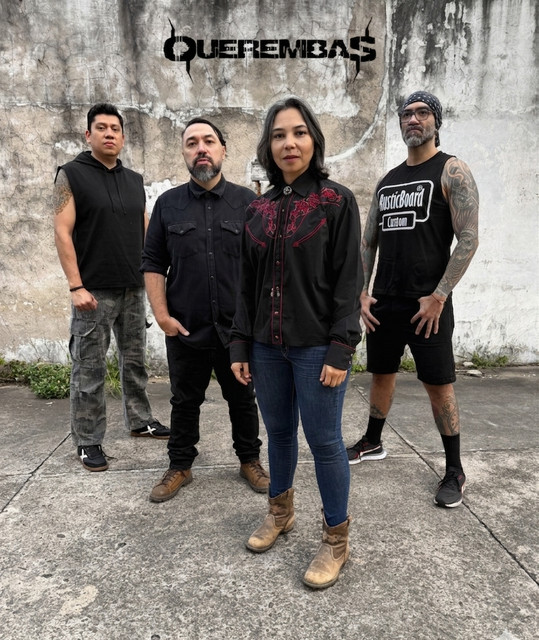




About Bolivian metal
Bolivian metal is a relatively young, fiercely passionate strand of South American heavy music that grows from the same root as global metal—speed, grit, atmosphere—and folds in a distinctly Andean sensibility. Its birth is best understood as a late-1990s to early-2000s emergence, when bands in Bolivia’s major cities started to rehearse, record demos, and organize small, DIY shows that circulated through tapes, fanzines, and word of mouth. From those humble foundations, a more defined scene took shape in La Paz, Santa Cruz, and Cochabamba, where venues, collectives, and independent labels nurtured a generation of players who could fuse aggressive riffs with melodic grit and a sense of place.
What makes Bolivian metal stand out is its breadth and local color. You’ll hear the fierce energies of thrash and death metal, the brooding intensity of doom, and the expansive textures of progressive and black metal, all filtered through Bolivia’s cultural landscape. Many acts experiment with rhythmic complexity, tempo shifts, and atmospheric passages that invite listeners to linger between ferocity and contemplation. A notable thread is the integration of Andean sonic elements—subtle flute lines, characteristic percussion, or melodic phrasing inspired by regional folk tunes—creating a hybrid that feels rooted in the Andean highlands even when the guitars are blazing at full tilt.
The scene’s ambassadors are less about a single star and more about a network: the DIY organizers who put on concerts in basements and small clubs, the radio shows and zines that champion new acts, and the collective-minded labels that help bands press limited runs of CDs or tapes. These figures—plus the musicians themselves—have kept the music moving through regional connections across South America. Bolivian acts have toured in neighboring countries, sharing stages with Chilean, Argentine, and Peruvian bands, helping to build a cross-border Latin American metal dialogue. In turn, Bolivian fans have connected with the global metal community via streaming platforms, social media, and festival circuits that reach Europe, North America, and beyond.
In terms of popularity, Bolivian metal remains strongest at home, where it forms part of a broader underground music ecosystem that embraces punk, hardcore, and indie rock. But the country’s metal story is not insular: with each new release, each tour, and each festival appearance, Bolivian bands push the scene outward, inviting fans from South America and the diaspora to discover a sound that’s heavy, precise, and unmistakably Bolivian in mood and posture. The music often reflects Bolivia’s social landscapes, its history, and its landscapes—concise, fierce, and cinematic in moments—offering enthusiasts a listening experience that rewards patience and curiosity.
If you’d like, I can add specific artist names and a more concrete timeline to ground this overview in verifiable acts and releases.
What makes Bolivian metal stand out is its breadth and local color. You’ll hear the fierce energies of thrash and death metal, the brooding intensity of doom, and the expansive textures of progressive and black metal, all filtered through Bolivia’s cultural landscape. Many acts experiment with rhythmic complexity, tempo shifts, and atmospheric passages that invite listeners to linger between ferocity and contemplation. A notable thread is the integration of Andean sonic elements—subtle flute lines, characteristic percussion, or melodic phrasing inspired by regional folk tunes—creating a hybrid that feels rooted in the Andean highlands even when the guitars are blazing at full tilt.
The scene’s ambassadors are less about a single star and more about a network: the DIY organizers who put on concerts in basements and small clubs, the radio shows and zines that champion new acts, and the collective-minded labels that help bands press limited runs of CDs or tapes. These figures—plus the musicians themselves—have kept the music moving through regional connections across South America. Bolivian acts have toured in neighboring countries, sharing stages with Chilean, Argentine, and Peruvian bands, helping to build a cross-border Latin American metal dialogue. In turn, Bolivian fans have connected with the global metal community via streaming platforms, social media, and festival circuits that reach Europe, North America, and beyond.
In terms of popularity, Bolivian metal remains strongest at home, where it forms part of a broader underground music ecosystem that embraces punk, hardcore, and indie rock. But the country’s metal story is not insular: with each new release, each tour, and each festival appearance, Bolivian bands push the scene outward, inviting fans from South America and the diaspora to discover a sound that’s heavy, precise, and unmistakably Bolivian in mood and posture. The music often reflects Bolivia’s social landscapes, its history, and its landscapes—concise, fierce, and cinematic in moments—offering enthusiasts a listening experience that rewards patience and curiosity.
If you’d like, I can add specific artist names and a more concrete timeline to ground this overview in verifiable acts and releases.