Genre
bossbeat
Top Bossbeat Artists
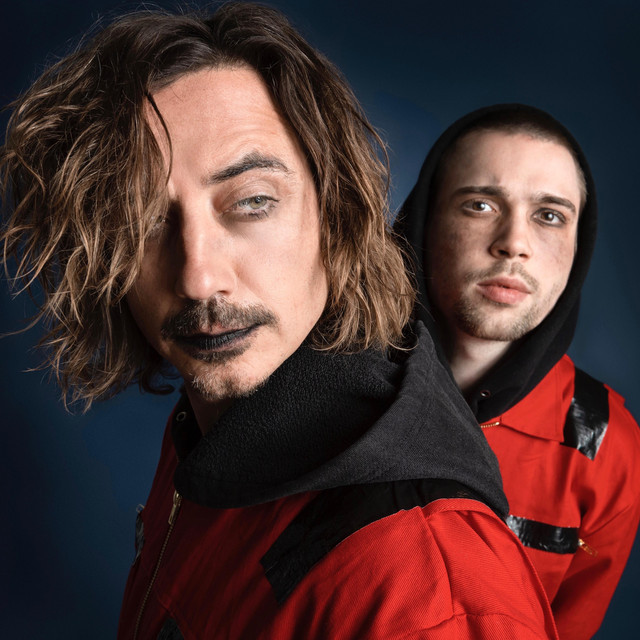
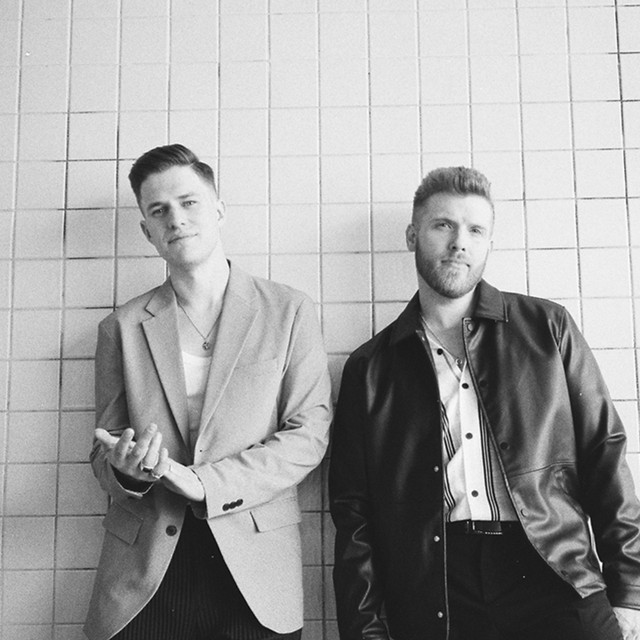
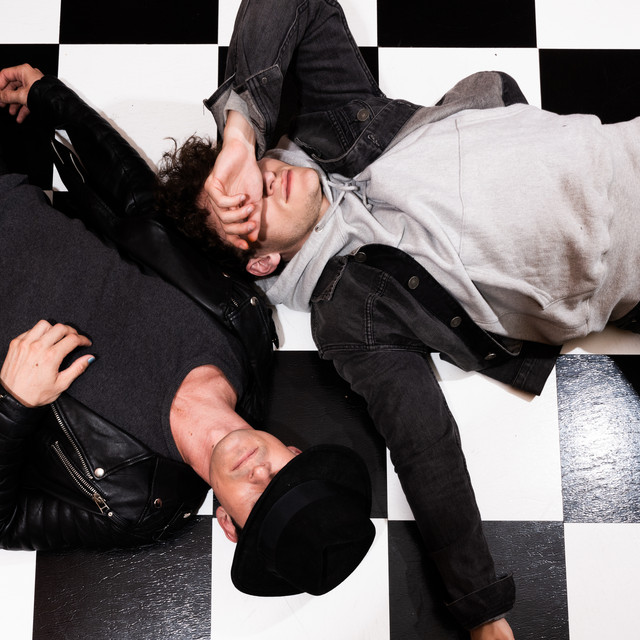
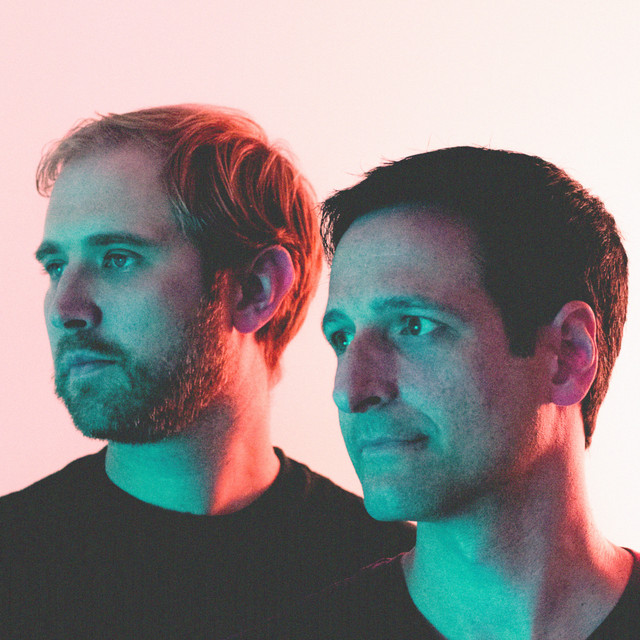
Showing 25 of 140 artists











About Bossbeat
Bossbeat is a volatile, high-octane branch of bass-led electronic music that fuses the brutal efficiency of industrial rhythms with the cinematic grandeur of arcade game soundtracks. It’s built for either colossal club systems or immersive festival stages, where every kick feels like a power-up and every bass drop lands with the certainty of a boss fight ending in a new level. The result is music that sounds both futuristic and tactile, designed to move rooms and minds at once.
Origins and emergence
Bossbeat began taking shape in the late 2010s, as producers from hardcore bass subcultures, trap, and industrial techno started riffing on the dramatic cues found in 8‑bit and boss-battle scores. Artists and crews in multiple scenes—across Japan, Europe, North America, and parts of Southeast Asia—began sharing tracks and live-set ideas in online circles, gradually coalescing around a signature approach: aggressive bass, martial percussion, and anthemic, chant-like vocal cues that pulse with purpose. The term “bossbeat”—evoking the climactic moments of video game boss encounters—found traction in clubs and on streaming platforms as a shorthand for music that wants to assert control of the floor.
Key sonic traits
- Bass architecture: Expect thick, compressed mid‑bass lines layered under gritted 808 kicks, with a thick, pressing feel that hits like armor plates. Sub-bass is clean, but the upper bass is brazen and punchy.
- Percussion and rhythm: Drums are often militaristic or industrial in feel—snare hits are crisp and often repetitive, hi-hats skewed toward syncopation, and percussion elements can be both steely and mechanical. Tempos typically move within a flexible range around 120–150 BPM, with some tracks dipping into halftime textures that heighten the dramatic tension.
- Texture and space: Producers favor precise sound design—gritty metallics, distorted synths, and voice fragments that chant or yell in shortened phrases. Space is used deliberately: moments of silence or negative space can amplify the impact of a drop.
- Songcraft: Hooks are built to land at peak intensity, with drops that feel like a boss reveal—grand, cinematic, and repeated with evolving variation through the track’s course.
Ambassadors, labels, and scenes
Because bossbeat originated as an international underground current, its ambassadors are diffuse and collaborative rather than singular stars. The most influential figures tend to be artist collectives and label rosters spanning Tokyo, Seoul, Berlin, London, Los Angeles, and beyond. Key platforms include Bandcamp and streaming services where concept releases, live-set recordings, and remix packages circulate quickly. Live shows often pair laser-laden visuals with tight LED walls to reinforce the game-like atmosphere; many nights emphasize cross-pollination with other bass-centric genres to keep the sound fresh and vigorous.
Geographic popularity
Bossbeat finds particular resonance in Japan, the United Kingdom, Germany, and the United States, where heavy bass culture meets urban nightlife and agile club tech. It’s also growing in South Korea, Singapore, Malaysia, and parts of Scandinavia, where producers embrace its hybrid, arcade-inspired energy. Festival circuits that favor immersive audiovisuals and forward-thinking bass scenes have become important incubators for the genre, while smaller, intimate venues keep the underground feel alive.
Cultural footprint
Beyond the club, bossbeat aesthetics permeate fashion, visual art, and gaming-influenced media. Its design ethos—neon, cyberpunk gloss, and retro-futurist motifs—lends itself to live visuals, merchandise, and capsule collaborations that blur the line between music and the broader digital imagination.
In sum, bossbeat is a restless, worldwide dialogue in bass: a genre that pays homage to game-era drama while charging toward contemporary club aesthetics, always aiming for that climactic, boss-level moment. If you crave music that sounds like a victory screen turned into a dance floor, bossbeat delivers.
Origins and emergence
Bossbeat began taking shape in the late 2010s, as producers from hardcore bass subcultures, trap, and industrial techno started riffing on the dramatic cues found in 8‑bit and boss-battle scores. Artists and crews in multiple scenes—across Japan, Europe, North America, and parts of Southeast Asia—began sharing tracks and live-set ideas in online circles, gradually coalescing around a signature approach: aggressive bass, martial percussion, and anthemic, chant-like vocal cues that pulse with purpose. The term “bossbeat”—evoking the climactic moments of video game boss encounters—found traction in clubs and on streaming platforms as a shorthand for music that wants to assert control of the floor.
Key sonic traits
- Bass architecture: Expect thick, compressed mid‑bass lines layered under gritted 808 kicks, with a thick, pressing feel that hits like armor plates. Sub-bass is clean, but the upper bass is brazen and punchy.
- Percussion and rhythm: Drums are often militaristic or industrial in feel—snare hits are crisp and often repetitive, hi-hats skewed toward syncopation, and percussion elements can be both steely and mechanical. Tempos typically move within a flexible range around 120–150 BPM, with some tracks dipping into halftime textures that heighten the dramatic tension.
- Texture and space: Producers favor precise sound design—gritty metallics, distorted synths, and voice fragments that chant or yell in shortened phrases. Space is used deliberately: moments of silence or negative space can amplify the impact of a drop.
- Songcraft: Hooks are built to land at peak intensity, with drops that feel like a boss reveal—grand, cinematic, and repeated with evolving variation through the track’s course.
Ambassadors, labels, and scenes
Because bossbeat originated as an international underground current, its ambassadors are diffuse and collaborative rather than singular stars. The most influential figures tend to be artist collectives and label rosters spanning Tokyo, Seoul, Berlin, London, Los Angeles, and beyond. Key platforms include Bandcamp and streaming services where concept releases, live-set recordings, and remix packages circulate quickly. Live shows often pair laser-laden visuals with tight LED walls to reinforce the game-like atmosphere; many nights emphasize cross-pollination with other bass-centric genres to keep the sound fresh and vigorous.
Geographic popularity
Bossbeat finds particular resonance in Japan, the United Kingdom, Germany, and the United States, where heavy bass culture meets urban nightlife and agile club tech. It’s also growing in South Korea, Singapore, Malaysia, and parts of Scandinavia, where producers embrace its hybrid, arcade-inspired energy. Festival circuits that favor immersive audiovisuals and forward-thinking bass scenes have become important incubators for the genre, while smaller, intimate venues keep the underground feel alive.
Cultural footprint
Beyond the club, bossbeat aesthetics permeate fashion, visual art, and gaming-influenced media. Its design ethos—neon, cyberpunk gloss, and retro-futurist motifs—lends itself to live visuals, merchandise, and capsule collaborations that blur the line between music and the broader digital imagination.
In sum, bossbeat is a restless, worldwide dialogue in bass: a genre that pays homage to game-era drama while charging toward contemporary club aesthetics, always aiming for that climactic, boss-level moment. If you crave music that sounds like a victory screen turned into a dance floor, bossbeat delivers.