Genre
bouzouki
Top Bouzouki Artists
Showing 10 of 10 artists


About Bouzouki
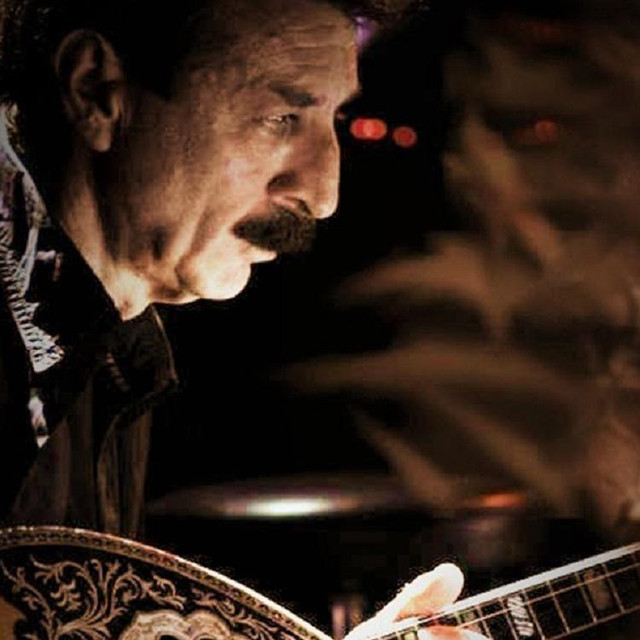
Bouzouki music is a distinctly Greek sound that centers around the bouzouki, a long‑necked stringed instrument whose bright, biting timbre can cut through a crowded room or drift softly over a moonlit street. While the instrument itself has a long history in the Balkans and the Ottoman world, what we call “bouzouki music” in the popular sense emerged as a genre from the urban streets of Greece, especially in the interwar years, and is most closely tied to the rise of rebetiko and its descendant laiko.
How and when it was born
The modern bouzouki took shape in Greece in the first half of the 20th century, evolving from earlier, regional long-necked lutes brought by refugees from Asia Minor after the 1922 population exchange. In the late 1920s and 1930s the instrument found its purpose in ensembles that accompanied the urban songs of rebetiko—music that spoke frankly of love, exile, hardship, and street life. The tri-chordo bouzouki (three pairs of strings) gave way to the more forceful tetrachordo version (four pairs) that became the standard for popular performances. By the mid‑century, the bouzouki was not just an instrument but the defining voice of a scene: a vehicle for improvisation, a driving rhythm, and a melodic, often sorrowful storytelling voice.
Key artists and ambassadors
Several figures stand out as the ambassadors and shapers of bouzouki music:
- Markos Vamvakaris (the “patriarch” of rebetiko) helped set the early vocabulary of bouzouki-driven song in the 1930s and 1940s with his plangent, blues-influenced style.
- Vassilis Tsitsanis, a towering composer and performer, elevated the form in the 1940s–1960s with sophisticated songs and enduring hits; his bouzouki playing and lyric sensibility helped transition rebetiko into what many call laiko.
- Manolis Hiotis (Manolis Xiótis) brought a brighter, more virtuosic bouzouki to the forefront in the 1950s, helping popularize a louder, more polished sound that could fill dance halls and cinema stages.
- Giorgos Zampetas, another influential figure from the same era, fused storytelling with catchy bouzouki lines, broadening the music’s appeal.
- In cinema and beyond, Mikis Theodorakis popularized certain bouzouki textures in film and orchestral contexts (notably with Zorba the Greek’s memorable score), showing the instrument’s reach beyond traditional venues.
What it sounds like and where it travels
Bouzouki music ranges from intimate, melancholy rebetiko ballads to upbeat, danceable laiko tunes. The bouzouki’s tremolo-picked textures, crisp strums, and modal, often minor, melodies lend the genre its characteristic mood—heavy with longing yet capable of exuberant tempo shifts. Dances such as the zeibekiko and hasapiko provide a cultural frame for the music, turning listening into a communal experience.
Where it’s popular
The heartland is Greece and Cyprus, where generations have grown up with bouzouki‑driven songs. Its appeal extends to Greek communities across Europe, the Americas, and Australia, where diasporic audiences keep classic repertoires alive while also embracing contemporary fusions. In recent decades, bouzouki has found a place in world‑music fusions, jazz, and even pop, as musicians borrow its bright, agile character to color new textures.
If you listen with curiosity, bouzouki music reveals not just a sound but a historical journey—a symbiosis of urban Greece, immigrant narratives, and a resilient musical spirit that continues to adapt and endure.
How and when it was born
The modern bouzouki took shape in Greece in the first half of the 20th century, evolving from earlier, regional long-necked lutes brought by refugees from Asia Minor after the 1922 population exchange. In the late 1920s and 1930s the instrument found its purpose in ensembles that accompanied the urban songs of rebetiko—music that spoke frankly of love, exile, hardship, and street life. The tri-chordo bouzouki (three pairs of strings) gave way to the more forceful tetrachordo version (four pairs) that became the standard for popular performances. By the mid‑century, the bouzouki was not just an instrument but the defining voice of a scene: a vehicle for improvisation, a driving rhythm, and a melodic, often sorrowful storytelling voice.
Key artists and ambassadors
Several figures stand out as the ambassadors and shapers of bouzouki music:
- Markos Vamvakaris (the “patriarch” of rebetiko) helped set the early vocabulary of bouzouki-driven song in the 1930s and 1940s with his plangent, blues-influenced style.
- Vassilis Tsitsanis, a towering composer and performer, elevated the form in the 1940s–1960s with sophisticated songs and enduring hits; his bouzouki playing and lyric sensibility helped transition rebetiko into what many call laiko.
- Manolis Hiotis (Manolis Xiótis) brought a brighter, more virtuosic bouzouki to the forefront in the 1950s, helping popularize a louder, more polished sound that could fill dance halls and cinema stages.
- Giorgos Zampetas, another influential figure from the same era, fused storytelling with catchy bouzouki lines, broadening the music’s appeal.
- In cinema and beyond, Mikis Theodorakis popularized certain bouzouki textures in film and orchestral contexts (notably with Zorba the Greek’s memorable score), showing the instrument’s reach beyond traditional venues.
What it sounds like and where it travels
Bouzouki music ranges from intimate, melancholy rebetiko ballads to upbeat, danceable laiko tunes. The bouzouki’s tremolo-picked textures, crisp strums, and modal, often minor, melodies lend the genre its characteristic mood—heavy with longing yet capable of exuberant tempo shifts. Dances such as the zeibekiko and hasapiko provide a cultural frame for the music, turning listening into a communal experience.
Where it’s popular
The heartland is Greece and Cyprus, where generations have grown up with bouzouki‑driven songs. Its appeal extends to Greek communities across Europe, the Americas, and Australia, where diasporic audiences keep classic repertoires alive while also embracing contemporary fusions. In recent decades, bouzouki has found a place in world‑music fusions, jazz, and even pop, as musicians borrow its bright, agile character to color new textures.
If you listen with curiosity, bouzouki music reveals not just a sound but a historical journey—a symbiosis of urban Greece, immigrant narratives, and a resilient musical spirit that continues to adapt and endure.