Genre
boy band
Top Boy band Artists
Showing 25 of 65 artists

About Boy band
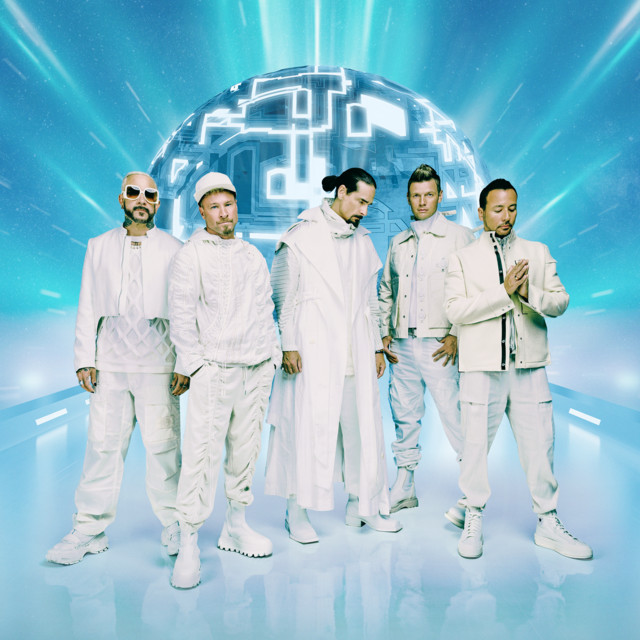
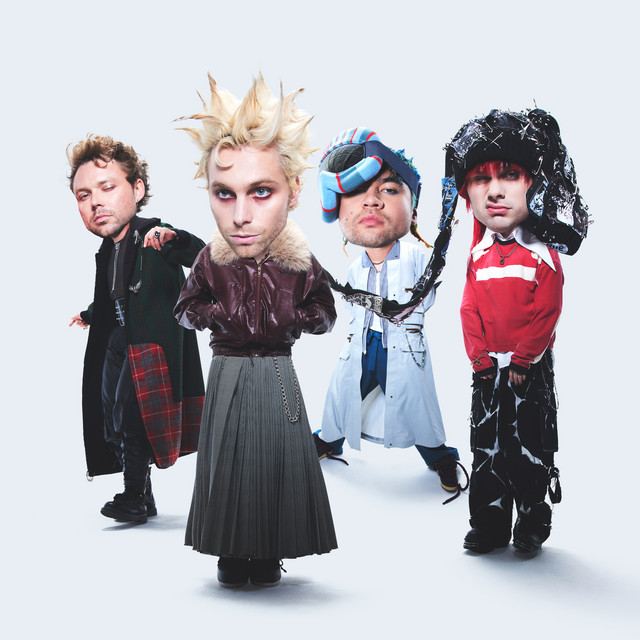
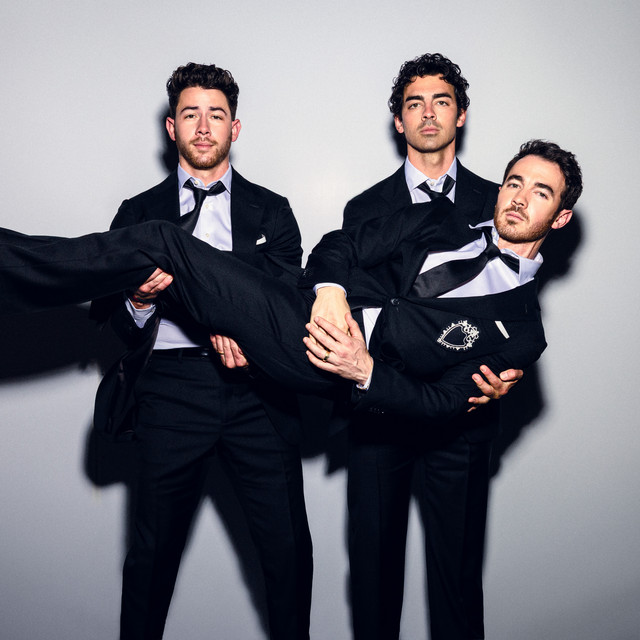
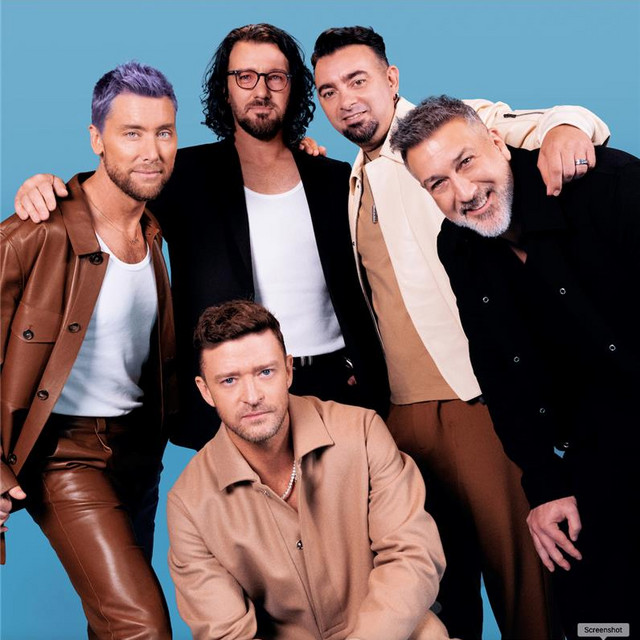
A boy band is a pop music framework built around a small group of male vocalists, typically three to five members, whose strength lies in tight vocal harmonies, catchy melodies, and high-energy performances. The format blends romantic pop ballads with upbeat anthems, and it has long been reinforced by choreographed dance, glossy aesthetics, and a strong teen-focused image. While the core concept centers on communal singing, the brand around each member—tween idols, aspirational figures, and social-media connected personalities—drives the phenomenon as much as the music itself.
The roots of the modern boy band are plural and sometimes debated. Long before the term became a global label, 1960s acts like the Monkees popularized the idea of a manufactured, media-savvy group formed for television and pop appeal. Earlier still, 1950s and 1960s vocal groups and family acts—The Osmonds, The Jackson 5, and European acts that emphasized harmonies—paved the way for the aesthetic of clean-cut, marketable male groups. In the UK and Ireland, Bay City Rollers emerged in the early 1970s as a teenage-wardrobe iconography before the genre evolved into later powerhouses. The real hinge between nostalgia and the contemporary explosion was New Kids on the Block in the late 1980s, followed by the 1990s wave featuring Take That and Boyzone in Europe and Westlife in Ireland, which laid the blueprint for modern international success.
The true global boom began in the mid-to-late 1990s with Backstreet Boys and NSYNC in the United States, alongside Take That and Westlife in Europe. These acts popularized the “boy band” model: multi-part vocal arrangements, meticulously produced hits, synchronized choreography, and an emphasis on fandom as a cultural force—complete with fan clubs, posters, and later, social media campaigns. International tours turned into stadium events, and sales milestones multiplied across markets. Over the years, the template expanded to include new generations of groups and regions, from the UK’s One Direction to Ireland’s fifth- and current-era groups, and to the newer global wave of K-pop boy bands such as BTS and EXO, which fused Western-style pop with meticulously choreographed performances and an even more intense, worldwide fan culture.
In terms of geography, boy bands have enjoyed major popularity in the United States, the United Kingdom, and Ireland, with enduring presences in continental Europe, Latin America, and, more recently, East Asia. The genre’s ambassadors have shifted through decades: from the late-20th-century titans like Backstreet Boys and NSYNC to the 2000s powerhouses Take That, Westlife, and Boyzone, and onward to 2010s icons like One Direction and, in the K-pop sphere, BTS. The music itself has grown increasingly diverse—pop with R&B textures, EDM-influenced beats, and cross-genre experimentation—yet the boy band formula remains a compelling blueprint for communal vocal prowess, choreographed spectacle, and fan-driven culture.
The roots of the modern boy band are plural and sometimes debated. Long before the term became a global label, 1960s acts like the Monkees popularized the idea of a manufactured, media-savvy group formed for television and pop appeal. Earlier still, 1950s and 1960s vocal groups and family acts—The Osmonds, The Jackson 5, and European acts that emphasized harmonies—paved the way for the aesthetic of clean-cut, marketable male groups. In the UK and Ireland, Bay City Rollers emerged in the early 1970s as a teenage-wardrobe iconography before the genre evolved into later powerhouses. The real hinge between nostalgia and the contemporary explosion was New Kids on the Block in the late 1980s, followed by the 1990s wave featuring Take That and Boyzone in Europe and Westlife in Ireland, which laid the blueprint for modern international success.
The true global boom began in the mid-to-late 1990s with Backstreet Boys and NSYNC in the United States, alongside Take That and Westlife in Europe. These acts popularized the “boy band” model: multi-part vocal arrangements, meticulously produced hits, synchronized choreography, and an emphasis on fandom as a cultural force—complete with fan clubs, posters, and later, social media campaigns. International tours turned into stadium events, and sales milestones multiplied across markets. Over the years, the template expanded to include new generations of groups and regions, from the UK’s One Direction to Ireland’s fifth- and current-era groups, and to the newer global wave of K-pop boy bands such as BTS and EXO, which fused Western-style pop with meticulously choreographed performances and an even more intense, worldwide fan culture.
In terms of geography, boy bands have enjoyed major popularity in the United States, the United Kingdom, and Ireland, with enduring presences in continental Europe, Latin America, and, more recently, East Asia. The genre’s ambassadors have shifted through decades: from the late-20th-century titans like Backstreet Boys and NSYNC to the 2000s powerhouses Take That, Westlife, and Boyzone, and onward to 2010s icons like One Direction and, in the K-pop sphere, BTS. The music itself has grown increasingly diverse—pop with R&B textures, EDM-influenced beats, and cross-genre experimentation—yet the boy band formula remains a compelling blueprint for communal vocal prowess, choreographed spectacle, and fan-driven culture.