Genre
brass quintet
Top Brass quintet Artists
Showing 25 of 52 artists


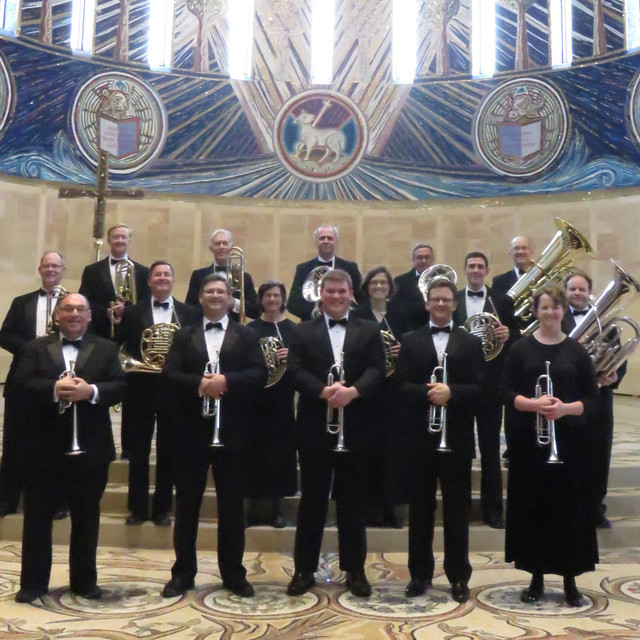



About Brass quintet
Brass quintet is a compact, high-energy chamber ensemble built from five brass players: usually two trumpets, two trombones, and a French horn. The format emerged from the broader brass and wind ensembles that fed concert halls and conservatories in the late Romantic era and crystallized in the 20th century as composers and performers explored a more intimate, agile sound world than the larger brass bands of tradition. The standard combination of piccolo- to mid-range brass produces a luminous, versatile tessitura: bright trumpet and horn timbres pairing with the warm, cathedral-like core of the trombones, capable of both ferocious attack and velvet legato. The fusion yields a repertoire that spans classical transcriptions, original contemporary works, and light-to-danceable pieces that suit recital halls, festivals, and educational settings.
Most historians point to the mid-20th century as the moment when the brass quintet truly established itself as a dedicated chamber ensemble. As composers sought to exploit its distinct blend, a catalog of works grew from both established composers and brass specialists. The American Brass Quintet, the Philip Jones Brass Ensemble of the United Kingdom, the Canadian Brass, and later groups such as Empire Brass helped codify the genre’s conventions and broaden its audience. These ensembles popularized a concert model built on a tight, conversational approach: each player responds to another’s idea, mirroring string quartet dialogue but with a more declarative, radiant quality. The repertoire includes arrangements of Baroque and Classical masterworks, transcriptions that preserve contrapuntal clarity while exploiting brass’s explosive colors, and original pieces that explore extended techniques, microtonality, and contemporary rhythm systems.
Key ambassadors and repertoire anchors include works by composers who wrote specifically for brass quintet or arranged favorites for the instrument set. In addition to archival material from early modernists, living composers since the late 20th century have contributed a steady flow of quintet music, ranging from wind-inspired miniatures to exam-level virtuosic showpieces. The genre’s education role is also notable: many conservatories use brass quintets to train ensemble listening, blend, and ensemble color, while festival circuits and residency programs showcase quintets as both ambassadors and incubators for new writing.
Geographically, the brass quintet found strong footing in the United States and the United Kingdom, with robust scenes also in Canada, Germany, the Netherlands, and Austria. It travels well—its compact size, manageable rehearsal needs, and direct sound translate to chamber music festivals, broadcast performances, and university concert series around the world. For listeners, the brass quintet offers instant identification: a bright, compact ensemble whose sonic palette includes blazing high-wire cadenzas, lush horn- and trombone-led blends, and sudden, theatrical dynamic shifts that can drive a recital arc or a single, memorable encore.
Whether encountered in a concert hall, a university recital stage, or a festival lineup, the brass quintet remains a living intersection between tradition and experimentation—a genre that respects its brass roots while inviting new languages, new ensembles, and new audiences to join the conversation. In new music scenes worldwide, brass quintets invite audiences to hear tradition while embracing innovation today, everywhere.
Most historians point to the mid-20th century as the moment when the brass quintet truly established itself as a dedicated chamber ensemble. As composers sought to exploit its distinct blend, a catalog of works grew from both established composers and brass specialists. The American Brass Quintet, the Philip Jones Brass Ensemble of the United Kingdom, the Canadian Brass, and later groups such as Empire Brass helped codify the genre’s conventions and broaden its audience. These ensembles popularized a concert model built on a tight, conversational approach: each player responds to another’s idea, mirroring string quartet dialogue but with a more declarative, radiant quality. The repertoire includes arrangements of Baroque and Classical masterworks, transcriptions that preserve contrapuntal clarity while exploiting brass’s explosive colors, and original pieces that explore extended techniques, microtonality, and contemporary rhythm systems.
Key ambassadors and repertoire anchors include works by composers who wrote specifically for brass quintet or arranged favorites for the instrument set. In addition to archival material from early modernists, living composers since the late 20th century have contributed a steady flow of quintet music, ranging from wind-inspired miniatures to exam-level virtuosic showpieces. The genre’s education role is also notable: many conservatories use brass quintets to train ensemble listening, blend, and ensemble color, while festival circuits and residency programs showcase quintets as both ambassadors and incubators for new writing.
Geographically, the brass quintet found strong footing in the United States and the United Kingdom, with robust scenes also in Canada, Germany, the Netherlands, and Austria. It travels well—its compact size, manageable rehearsal needs, and direct sound translate to chamber music festivals, broadcast performances, and university concert series around the world. For listeners, the brass quintet offers instant identification: a bright, compact ensemble whose sonic palette includes blazing high-wire cadenzas, lush horn- and trombone-led blends, and sudden, theatrical dynamic shifts that can drive a recital arc or a single, memorable encore.
Whether encountered in a concert hall, a university recital stage, or a festival lineup, the brass quintet remains a living intersection between tradition and experimentation—a genre that respects its brass roots while inviting new languages, new ensembles, and new audiences to join the conversation. In new music scenes worldwide, brass quintets invite audiences to hear tradition while embracing innovation today, everywhere.