Genre
hawaiian
Top Hawaiian Artists
Showing 25 of 65 artists








About Hawaiian
Hawaiian music is the sound of the islands themselves—a living tradition that blends ancient chant and dance traditions with Western instruments and popular song forms. Rooted in the mele and hula‑lewa of native tellings, it evolved through contact with missionaries, immigrants, and tourists into a vibrant, atmospheric aural palette that still conjures palm-fringed shores, trade winds, and the spirit of aloha. Its defining features include the lilting melodies sung in Hawaiian or English, intricate vocal ornamentation and falsetto, and an instrumental vocabulary built around the slack-key guitar, the ukulele, and the steel guitar.
Origins trace back to the 19th century, when Hawaiian musicians began combining kupu wai, or chants, with European guitar and piano concepts. The slack-key guitar (kī hō‘alu) emerged as a distinctly Hawaiian approach: players loosen the strings to suit their voice and mood, producing a gentle, open, singing sound that invites vulnerability and improvisation. The ukulele arrived in the islands with Portuguese immigrants in the late 19th century and quickly became a defining instrument, its bright, snapping chords shaping the island’s cheerful, danceable side. The steel guitar—often attributed to the late 19th‑century Hawaiian scene and later refined in the mainland—added a plaintive, shimmering layer that became a staple in various island styles. As commercial recording grew in the early 20th century, hapa haole songs—Hawaiian tunes with English lyrics—caught the attention of travelers and radio audiences, bridging the gap between island rhythms and global pop culture. Songs like Aloha Oe by Queen Liliʻuokalani and later hapa haole hits demonstrated how Hawaiian music could travel beyond its shores while retaining a distinctly local identity.
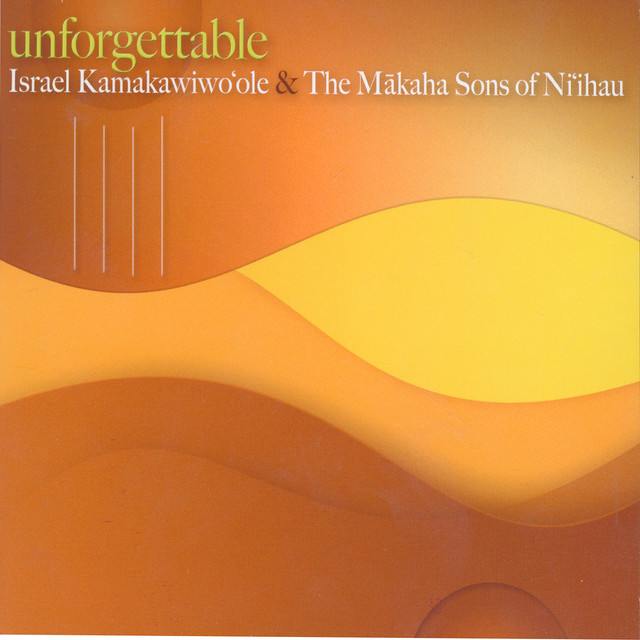
The 20th century saw Hawaiian music branching into revival and fusion. In the postwar era, artists such as Gabby Pahinui championed the slack-key tradition, revitalizing it for new generations and earning international admiration. The mid‑century popularity of Don Ho helped launch Hawaiian music onto the global stage, especially in North America and beyond, while Israel Kamakawiwo‘ole’s wai‑hauled ukulele recordings—most famously his medley of Somewhere Over the Rainbow/What a Wonderful World—brought a tender, universal accessibility to the sound. Since then, contemporary artists like Kealiʻi Reichel, Hapa, and many regional slack-key guitarists have carried the tradition forward, often blending traditional chants and melodies with new arrangements and languages.
Hawaiian music remains most popular in Hawaii and the United States, where the islands’ culture and tourism sector sustain a lively scene. It also has a strong following in Japan, where interest in aloha culture and the ukulele is deeply entrenched, and in other Pacific nations, New Zealand, Australia, and among diasporic communities around the world. Its ambassadorial role—whether through the intimate warmth of a slack-key solo, the sunny swing of hapa haole, or the modern, accessible beauty of IZ’s recordings—continues to introduce new listeners to the islands’ musical language: a music of place, memory, and hospitality that invites listeners into the heart of aloha.
Origins trace back to the 19th century, when Hawaiian musicians began combining kupu wai, or chants, with European guitar and piano concepts. The slack-key guitar (kī hō‘alu) emerged as a distinctly Hawaiian approach: players loosen the strings to suit their voice and mood, producing a gentle, open, singing sound that invites vulnerability and improvisation. The ukulele arrived in the islands with Portuguese immigrants in the late 19th century and quickly became a defining instrument, its bright, snapping chords shaping the island’s cheerful, danceable side. The steel guitar—often attributed to the late 19th‑century Hawaiian scene and later refined in the mainland—added a plaintive, shimmering layer that became a staple in various island styles. As commercial recording grew in the early 20th century, hapa haole songs—Hawaiian tunes with English lyrics—caught the attention of travelers and radio audiences, bridging the gap between island rhythms and global pop culture. Songs like Aloha Oe by Queen Liliʻuokalani and later hapa haole hits demonstrated how Hawaiian music could travel beyond its shores while retaining a distinctly local identity.
The 20th century saw Hawaiian music branching into revival and fusion. In the postwar era, artists such as Gabby Pahinui championed the slack-key tradition, revitalizing it for new generations and earning international admiration. The mid‑century popularity of Don Ho helped launch Hawaiian music onto the global stage, especially in North America and beyond, while Israel Kamakawiwo‘ole’s wai‑hauled ukulele recordings—most famously his medley of Somewhere Over the Rainbow/What a Wonderful World—brought a tender, universal accessibility to the sound. Since then, contemporary artists like Kealiʻi Reichel, Hapa, and many regional slack-key guitarists have carried the tradition forward, often blending traditional chants and melodies with new arrangements and languages.
Hawaiian music remains most popular in Hawaii and the United States, where the islands’ culture and tourism sector sustain a lively scene. It also has a strong following in Japan, where interest in aloha culture and the ukulele is deeply entrenched, and in other Pacific nations, New Zealand, Australia, and among diasporic communities around the world. Its ambassadorial role—whether through the intimate warmth of a slack-key solo, the sunny swing of hapa haole, or the modern, accessible beauty of IZ’s recordings—continues to introduce new listeners to the islands’ musical language: a music of place, memory, and hospitality that invites listeners into the heart of aloha.