Genre
brazilian ccm
Top Brazilian ccm Artists
Showing 25 of 64 artists















About Brazilian ccm
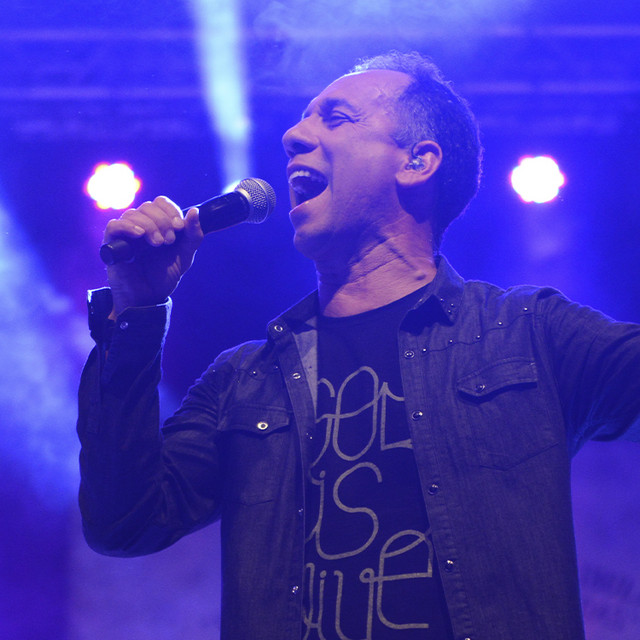
Brazilian CCM, or Música Cristã Contemporânea Brasileira, is the Portuguese-speaking branch of Contemporary Christian Music centered in Brazil. It blends pop-accessible melodies with worshipful lyrics, often anchored in the churches and ministries that shaped Brazil’s evangelical and charismatic scenes. The genre’s sonic palette ranges from contemporary ballads and hook-filled choruses to gospel-inflected pop-rock, with occasional touches of samba, forró, or other regional rhythms, all designed to invite congregational singing while conveying messages of faith, hope, and devotion.
Origins and development: Brazilian CCM began taking shape in the late 1960s and 1970s as global CCM streams filtered into Brazil and local churches began producing worship-focused music in Portuguese. The movement accelerated in the 1990s and 2000s, when large congregations and worship ministries—especially within the Lagoinha and other prominent churches—started releasing records, touring, and organizing flagship events. A pivotal moment was the rise of nationally known worship teams and solo artists who could articulate contemporary Christian themes in a distinctly Brazilian idiom. The genre matured into a robust ecosystem of albums, live worship projects, and festival circuits that connected church worship with mainstream pop sensibilities.
Sound and structure: Brazilian CCM is built to be sung aloud by congregations, often featuring strong melodic hooks, straightforward lyrics, and repeated choruses that invite participation. Production emphasizes clarity and accessibility, with contemporary arranging that suits both radio-friendly tracks and large-scale live events. Laravel-like authenticity, pastoral storytelling, and scriptural or devotional lines are common, making many songs suitable for church services as well as personal listening. Over the years, the sound has embraced diverse influences—Latin rhythms, Brazilian gospel harmonies, rock-inflected guitars, and polished pop production—without sacrificing the core worship ethos.
Key artists and ambassadors: Brazilian CCM has been propelled by several generations of artists who became household names within and beyond churches. Diante do Trono, led by Ana Paula Valadão and formed in the late 1990s at the Lagoinha church, remains one of the most influential worship ministries in the country. Other flagship voices include Aline Barros, a long-running pop-gospel artist with a broad family/children’s worship footprint; Nívea Soares, a renowned Lagoinha worship leader whose intimate ballads and powerful anthems have shaped many Brazilian worship sets; Fernandinho, whose gritty, anthemic worship has resonated across churches; Eyshila, a veteran diva of Brazilian gospel with a string of successful albums; and André Valadão, a prominent solo artist and member of the Diante do Trono family. Cassiane, one of the genre’s early enduring voices, also remains a touchstone for many listeners. Together, these artists have helped define the tonal language, production values, and live-worship culture that characterizes Brazilian CCM.
Geography and reach: While Brazil is the core hub, Brazilian CCM has found audiences in Portuguese-speaking countries such as Portugal, Angola, and Mozambique, and among Brazilian diaspora communities in the United States, Europe, and parts of Africa. The genre also feeds into televised worship programs, festivals, and church networks that expand its reach beyond the concert hall or church sanctuary.
In sum, Brazilian CCM is a vibrant, church-centered contemporary music culture that translates global worship language into a Brazilian voice—an ongoing conversation between faith, art, and community that continues to evolve with each generation of artists and listeners.
Origins and development: Brazilian CCM began taking shape in the late 1960s and 1970s as global CCM streams filtered into Brazil and local churches began producing worship-focused music in Portuguese. The movement accelerated in the 1990s and 2000s, when large congregations and worship ministries—especially within the Lagoinha and other prominent churches—started releasing records, touring, and organizing flagship events. A pivotal moment was the rise of nationally known worship teams and solo artists who could articulate contemporary Christian themes in a distinctly Brazilian idiom. The genre matured into a robust ecosystem of albums, live worship projects, and festival circuits that connected church worship with mainstream pop sensibilities.
Sound and structure: Brazilian CCM is built to be sung aloud by congregations, often featuring strong melodic hooks, straightforward lyrics, and repeated choruses that invite participation. Production emphasizes clarity and accessibility, with contemporary arranging that suits both radio-friendly tracks and large-scale live events. Laravel-like authenticity, pastoral storytelling, and scriptural or devotional lines are common, making many songs suitable for church services as well as personal listening. Over the years, the sound has embraced diverse influences—Latin rhythms, Brazilian gospel harmonies, rock-inflected guitars, and polished pop production—without sacrificing the core worship ethos.
Key artists and ambassadors: Brazilian CCM has been propelled by several generations of artists who became household names within and beyond churches. Diante do Trono, led by Ana Paula Valadão and formed in the late 1990s at the Lagoinha church, remains one of the most influential worship ministries in the country. Other flagship voices include Aline Barros, a long-running pop-gospel artist with a broad family/children’s worship footprint; Nívea Soares, a renowned Lagoinha worship leader whose intimate ballads and powerful anthems have shaped many Brazilian worship sets; Fernandinho, whose gritty, anthemic worship has resonated across churches; Eyshila, a veteran diva of Brazilian gospel with a string of successful albums; and André Valadão, a prominent solo artist and member of the Diante do Trono family. Cassiane, one of the genre’s early enduring voices, also remains a touchstone for many listeners. Together, these artists have helped define the tonal language, production values, and live-worship culture that characterizes Brazilian CCM.
Geography and reach: While Brazil is the core hub, Brazilian CCM has found audiences in Portuguese-speaking countries such as Portugal, Angola, and Mozambique, and among Brazilian diaspora communities in the United States, Europe, and parts of Africa. The genre also feeds into televised worship programs, festivals, and church networks that expand its reach beyond the concert hall or church sanctuary.
In sum, Brazilian CCM is a vibrant, church-centered contemporary music culture that translates global worship language into a Brazilian voice—an ongoing conversation between faith, art, and community that continues to evolve with each generation of artists and listeners.