Genre
brazilian contemporary classical
Top Brazilian contemporary classical Artists
Showing 25 of 27 artists

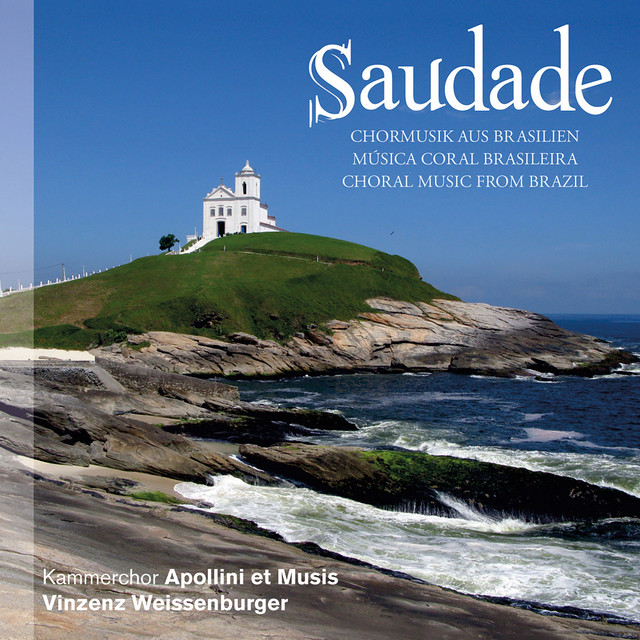


About Brazilian contemporary classical
Brazilian contemporary classical is a vibrant, border-crossing field that sits at the crossroads of European modernism, Brazilian folk and urban soundscapes, and the improvisational spirit of jazz and world music. It isn’t a single school or a fixed style, but a panorama of composers and performers who have built a distinct voice by blending meticulous craft with a willingness to experiment with timbre, form, and performance practice. The result is music that often sounds formal and precise in its construction, yet porous to rhythm, color, and spontaneity.
Origins and birth
The seeds of Brazilian contemporary classical were planted in the mid-20th century as Brazilian composers absorbed contemporary European languages—serialism, atonality, and open architectural forms—while also digging deeply into Brazil’s own sonic soil. The earlier generation, including Heitor Villa-Lobos and Camargo Guarnieri, laid a nationalist foundation by integrating folk melodies and rhythms with modern orchestration. In the 1950s and 1960s a more explicit contemporary current emerged with composers who pursued new techniques and cross-cultural textures. By the 1970s and 1980s, a younger wave began to merge formal experimentation with ethnomusicological ideas, electronics, and cross-disciplinary collaboration, giving rise to what many listeners now recognize as Brazilian contemporary classical. The genre is particularly associated with urban centers such as São Paulo and Rio de Janeiro, where universities, ensembles, and festivals fostered a rigorous yet exploratory climate.
Key artists and ambassadors
Several figures stand out as standard-bearers and catalysts for the scene’s international visibility. Egberto Gismonti is widely regarded as a central figure: a guitarist, pianist, and composer whose work fuses intimate chamber textures with expansive orchestral color and a fearless approach to timbre. Hermeto Pascoal, equally influential, pushes sound beyond conventional boundaries—an improvisational virtuoso whose multi-instrumental practice and experimental approach helped redefine what Brazilian modern music could be. They both helped attract attention from European and North American audiences and opened doors for collaborations with orchestras, choirs, and contemporary music ensembles.
Other important contributors include composers who bridged modernism with Brazilian identity, integrating regional rhythms and timbres into sophisticated acoustic idioms. While not every name has the same level of international recognition, collectively they shaped a robust ecosystem of composers, performers, and educators who keep pushing stylistic envelopes.
Geography and audience
Brazil remains the epicenter, with living traditions in major cities and a network of festivals, ensembles, and conservatories that sustain new work. Outside Brazil, Brazilian contemporary classical has found respectful reception in Europe and North America, especially among listeners drawn to the synthesis of precision and experimentation. France, Germany, the United Kingdom, and the United States regularly host performances and residencies; Japan has also shown sustained interest in Brazilian experimental music. The genre’s presence in academic circles and contemporary music festivals helps it reach curious listeners who enjoy both rigorous composition and rich, sometimes ecstatic sound worlds.
Listening tips
If you’re exploring this world for the first time, seek out recordings and programs by Gismonti, Pascoal, and their contemporaries, or look for performances at contemporary music festivals that feature Brazilian composers. Expect a blend of carefully notated sections, improvised or quasi-improvised passages, and a strong emphasis on coloristic possibilities—where percussion, woodwinds, strings, and electronics can all become explorers of a single musical idea. Brazilian contemporary classical invites curiosity, patience, and a readiness to hear Brazil through the lens of 20th- and 21st-century artistry.
Origins and birth
The seeds of Brazilian contemporary classical were planted in the mid-20th century as Brazilian composers absorbed contemporary European languages—serialism, atonality, and open architectural forms—while also digging deeply into Brazil’s own sonic soil. The earlier generation, including Heitor Villa-Lobos and Camargo Guarnieri, laid a nationalist foundation by integrating folk melodies and rhythms with modern orchestration. In the 1950s and 1960s a more explicit contemporary current emerged with composers who pursued new techniques and cross-cultural textures. By the 1970s and 1980s, a younger wave began to merge formal experimentation with ethnomusicological ideas, electronics, and cross-disciplinary collaboration, giving rise to what many listeners now recognize as Brazilian contemporary classical. The genre is particularly associated with urban centers such as São Paulo and Rio de Janeiro, where universities, ensembles, and festivals fostered a rigorous yet exploratory climate.
Key artists and ambassadors
Several figures stand out as standard-bearers and catalysts for the scene’s international visibility. Egberto Gismonti is widely regarded as a central figure: a guitarist, pianist, and composer whose work fuses intimate chamber textures with expansive orchestral color and a fearless approach to timbre. Hermeto Pascoal, equally influential, pushes sound beyond conventional boundaries—an improvisational virtuoso whose multi-instrumental practice and experimental approach helped redefine what Brazilian modern music could be. They both helped attract attention from European and North American audiences and opened doors for collaborations with orchestras, choirs, and contemporary music ensembles.
Other important contributors include composers who bridged modernism with Brazilian identity, integrating regional rhythms and timbres into sophisticated acoustic idioms. While not every name has the same level of international recognition, collectively they shaped a robust ecosystem of composers, performers, and educators who keep pushing stylistic envelopes.
Geography and audience
Brazil remains the epicenter, with living traditions in major cities and a network of festivals, ensembles, and conservatories that sustain new work. Outside Brazil, Brazilian contemporary classical has found respectful reception in Europe and North America, especially among listeners drawn to the synthesis of precision and experimentation. France, Germany, the United Kingdom, and the United States regularly host performances and residencies; Japan has also shown sustained interest in Brazilian experimental music. The genre’s presence in academic circles and contemporary music festivals helps it reach curious listeners who enjoy both rigorous composition and rich, sometimes ecstatic sound worlds.
Listening tips
If you’re exploring this world for the first time, seek out recordings and programs by Gismonti, Pascoal, and their contemporaries, or look for performances at contemporary music festivals that feature Brazilian composers. Expect a blend of carefully notated sections, improvised or quasi-improvised passages, and a strong emphasis on coloristic possibilities—where percussion, woodwinds, strings, and electronics can all become explorers of a single musical idea. Brazilian contemporary classical invites curiosity, patience, and a readiness to hear Brazil through the lens of 20th- and 21st-century artistry.