Genre
brazilian hip hop
Top Brazilian hip hop Artists
Showing 25 of 3,305 artists



About Brazilian hip hop
Brazilian hip hop is a ground-up, urban art form that grew from the streets of São Paulo and Rio de Janeiro in the late 1980s and early 1990s. It began as a local adaptation of American rap, but quickly fused with Brazil’s own sounds—samba, funk, samba-rock, and Afro-Brazilian rhythms—creating a sound and a voice that spoke directly to the country’s social realities. Early crews and crews’ crews of MCs, DJs, graffiti artists, and breakers turned rap into a platform for discussion of poverty, police violence, and daily life in the favelas and peripheries. The movement pushed production toward hard-hitting beats and lyric-driven storytelling, making Brazilian hip hop not just entertainment but a form of social commentary.
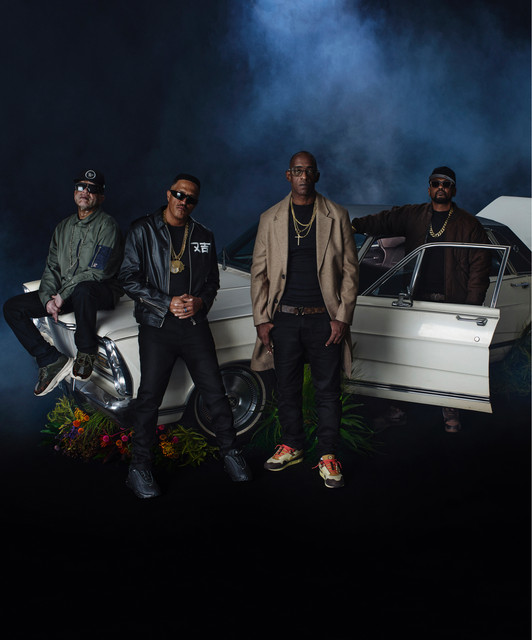
One of the genre’s most defining moments came with Racionais MC’s, formed in 1988 in São Paulo. Mano Brown, Edi Rock, and KL Jay became the standard-bearers of lyrical density and street realism. Their 1997 album, Sobrevivendo no Inferno, is widely regarded as a landmark—a blueprint for how Brazilian rap could articulate class struggle, urban violence, and resilience with poetic precision and street-level urgency. Alongside them, artists like Gabriel o Pensador emerged in the early 1990s with albums that blended sharp social critique, clever wordplay, and catchy hooks, popularizing the form across a broader audience.
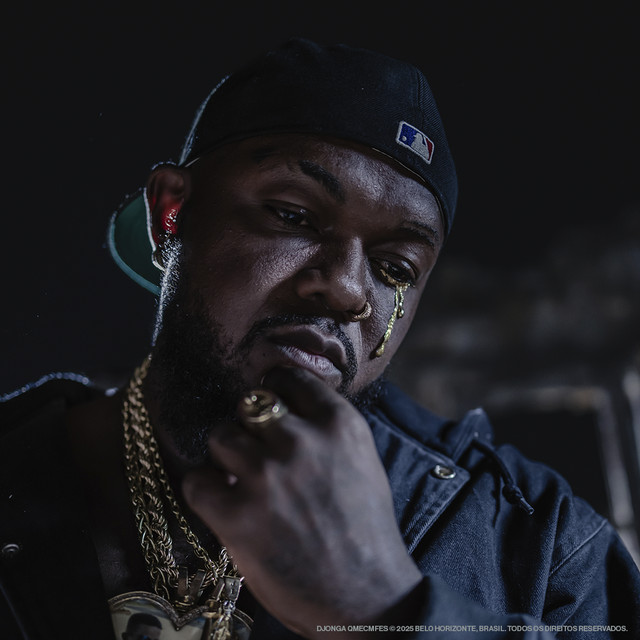
As the scene matured through the 2000s and into the 2010s, Brazilian hip hop broadened its sonic palette and regional voices. Emicida and Criolo became icons of a new generation, each weaving samba, Afro-Brazilian rhythms, and dense lyricism into modern storytelling. Rincon Sapiência (a key figure from São Paulo) delivered a modern, jazz-inflected sound with a politically charged edge, while Djonga from Belo Horizonte attracted attention with intimate, powerful narratives about marginalized communities. In parallel, acts like Marcelo D2 fused samba with rap in a way that helped popularize a “samba rap” hybrid beyond the city’s perimeters. Female artists such as Negra Li and a growing roster of MCs expanded the genre’s voice and presence, helping to diversify the scene’s perspectives.
Today Brazilian hip hop thrives in Brazil as its core hub, with thriving scenes in cities from Rio de Janeiro to Brasília and beyond. Its ambassadors—Racionais MC’s, Gabriel o Pensador, Emicida, Criolo, Rincon Sapiência, Djonga, and Marcelo D2—represent different eras and styles, but share a commitment to lyrical craft and social relevance. The music also travels well beyond Brazil’s borders: Portugal, Angola, and other Lusophone countries host vibrant scenes; the genre maintains a dedicated following in parts of Europe and the United States through streaming, festivals, and diaspora communities.
What unites Brazilian hip hop is its insistence on authenticity, storytelling, and a fearless willingness to address inequality and hope. It remains a dynamic, evolving tapestry—rooted in a distinctive Brazilian sound, yet continually remixing itself with global influences, street poetry, and community-based energy.
One of the genre’s most defining moments came with Racionais MC’s, formed in 1988 in São Paulo. Mano Brown, Edi Rock, and KL Jay became the standard-bearers of lyrical density and street realism. Their 1997 album, Sobrevivendo no Inferno, is widely regarded as a landmark—a blueprint for how Brazilian rap could articulate class struggle, urban violence, and resilience with poetic precision and street-level urgency. Alongside them, artists like Gabriel o Pensador emerged in the early 1990s with albums that blended sharp social critique, clever wordplay, and catchy hooks, popularizing the form across a broader audience.
As the scene matured through the 2000s and into the 2010s, Brazilian hip hop broadened its sonic palette and regional voices. Emicida and Criolo became icons of a new generation, each weaving samba, Afro-Brazilian rhythms, and dense lyricism into modern storytelling. Rincon Sapiência (a key figure from São Paulo) delivered a modern, jazz-inflected sound with a politically charged edge, while Djonga from Belo Horizonte attracted attention with intimate, powerful narratives about marginalized communities. In parallel, acts like Marcelo D2 fused samba with rap in a way that helped popularize a “samba rap” hybrid beyond the city’s perimeters. Female artists such as Negra Li and a growing roster of MCs expanded the genre’s voice and presence, helping to diversify the scene’s perspectives.
Today Brazilian hip hop thrives in Brazil as its core hub, with thriving scenes in cities from Rio de Janeiro to Brasília and beyond. Its ambassadors—Racionais MC’s, Gabriel o Pensador, Emicida, Criolo, Rincon Sapiência, Djonga, and Marcelo D2—represent different eras and styles, but share a commitment to lyrical craft and social relevance. The music also travels well beyond Brazil’s borders: Portugal, Angola, and other Lusophone countries host vibrant scenes; the genre maintains a dedicated following in parts of Europe and the United States through streaming, festivals, and diaspora communities.
What unites Brazilian hip hop is its insistence on authenticity, storytelling, and a fearless willingness to address inequality and hope. It remains a dynamic, evolving tapestry—rooted in a distinctive Brazilian sound, yet continually remixing itself with global influences, street poetry, and community-based energy.