Genre
brazilian metalcore
Top Brazilian metalcore Artists
Showing 5 of 5 artists
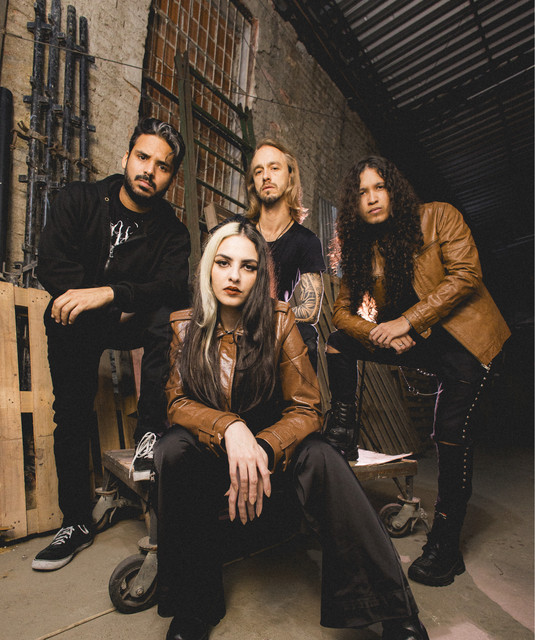


About Brazilian metalcore
Brazilian metalcore is a high-octane fusion that sits at the crossroads of Brazil’s rich hardcore heritage and the globally influential metalcore template. It didn’t spring from a vacuum; it grew out of Brazil’s late-1990s and early-2000s underground scenes, where DIY ethos, fierce live circuits, and a fatigue with bland imitators pushed bands to push the envelope. In essence, Brazilian metalcore took the compact, breakdown-driven energy of American and European metalcore and added a Brazilian sense of rhythm, aggression, and grit. The result is a sound that can feel both intimate—intense and urgent in the live room—and expansive, capable of sweeping melodic passages and brutal, machine-gun aggression.
What defines the sound? Expect downtuned guitars that hinge on punchy chugging and rapid tremolo lines, someone between hardcore’s directness and metal’s sculpted riffing. Vocals swing between snarling harshness and more anthemic shouts or occasional clean melodic hooks, depending on the song’s mood. The tempo often darts from hammering, breakdown-led sections to faster, riff-heavy passages that demand technical precision. It’s a music of contrasts: brutal weight tempered by hooks, and a palpable emphasis on live energy—crowd interaction, call-and-response shouts, and a sense that the stage is a combat zone where precision and release go hand in hand.
Ambassadors and key acts, though sometimes difficult to pin down in a single lineage, have helped bring Brazilian metalcore into international view. Oceano is frequently cited as one of the most visible Brazilian bridges to the broader deathcore/metalcore world. Originating from Ribeirão Preto, their ascent in the late 2000s and early 2010s showcased how a Brazilian act could translate extreme-metal intensity to audiences across continents. Their success helped spotlight a generation of Brazilian bands that mix hardcore’s immediacy with metal’s heft, often drawing touring partners from Europe and North America and crossing over to Latin American peers who share the same hunger for heavy, emotionally direct music.
The scene in Brazil is especially rooted in major urban centers where dense hardcore scenes exist, notably São Paulo and Rio de Janeiro, with colloquially fierce circuits in other cities as well. The genre tends to draw listeners who attend small, sweaty clubs and DIY venues as well as more polished, festival stages. What’s striking about Brazilian metalcore is its resilience and adaptability: bands continuously remix influences—thrash-inflected riffs, deathcore gravity, post-hardcore melodic momenta—while maintaining a signature Brazilian urgency. In recent years, a broader global audience has followed the wave, with acts touring Europe and the United States and fans in Argentina, Chile, and beyond emulating a Brazilian approach to ferocity and tempo shifts.
If you’re a music enthusiast chasing bands that refuse to stay within neat boundaries, Brazilian metalcore offers a compelling blend: the raw, communal intensity of hardcore paired with the sculpted, dynamic craft of metalcore, all filtered through a Brazilian sensibility that prizes energy, tempo vary, and live spontaneity. It’s a genre that rewards attentive listening, but it truly comes alive when heard loud, live, and in the moment.
What defines the sound? Expect downtuned guitars that hinge on punchy chugging and rapid tremolo lines, someone between hardcore’s directness and metal’s sculpted riffing. Vocals swing between snarling harshness and more anthemic shouts or occasional clean melodic hooks, depending on the song’s mood. The tempo often darts from hammering, breakdown-led sections to faster, riff-heavy passages that demand technical precision. It’s a music of contrasts: brutal weight tempered by hooks, and a palpable emphasis on live energy—crowd interaction, call-and-response shouts, and a sense that the stage is a combat zone where precision and release go hand in hand.
Ambassadors and key acts, though sometimes difficult to pin down in a single lineage, have helped bring Brazilian metalcore into international view. Oceano is frequently cited as one of the most visible Brazilian bridges to the broader deathcore/metalcore world. Originating from Ribeirão Preto, their ascent in the late 2000s and early 2010s showcased how a Brazilian act could translate extreme-metal intensity to audiences across continents. Their success helped spotlight a generation of Brazilian bands that mix hardcore’s immediacy with metal’s heft, often drawing touring partners from Europe and North America and crossing over to Latin American peers who share the same hunger for heavy, emotionally direct music.
The scene in Brazil is especially rooted in major urban centers where dense hardcore scenes exist, notably São Paulo and Rio de Janeiro, with colloquially fierce circuits in other cities as well. The genre tends to draw listeners who attend small, sweaty clubs and DIY venues as well as more polished, festival stages. What’s striking about Brazilian metalcore is its resilience and adaptability: bands continuously remix influences—thrash-inflected riffs, deathcore gravity, post-hardcore melodic momenta—while maintaining a signature Brazilian urgency. In recent years, a broader global audience has followed the wave, with acts touring Europe and the United States and fans in Argentina, Chile, and beyond emulating a Brazilian approach to ferocity and tempo shifts.
If you’re a music enthusiast chasing bands that refuse to stay within neat boundaries, Brazilian metalcore offers a compelling blend: the raw, communal intensity of hardcore paired with the sculpted, dynamic craft of metalcore, all filtered through a Brazilian sensibility that prizes energy, tempo vary, and live spontaneity. It’s a genre that rewards attentive listening, but it truly comes alive when heard loud, live, and in the moment.