Genre
brazilian phonk
Top Brazilian phonk Artists
Showing 25 of 1,511 artists














About Brazilian phonk
Brazilian phonk is a regional interpretation of the global phonk movement, blending Memphis rap’s smoky, tape-saturated nostalgia with Brazil’s own rhythmic DNA. It borrows the genre’s signature hazy loops, slowed drums, and eerieSample-heavy mood, but it reshapes them with Brazilian flavors, from funk carioca’s punchy bass to samba’s percussion’s swing and MPB’s melodic memory. The result is a sound that feels both dusty and sunlit, urban and intimate—a nocturnal dance music for headphones, car windows, and club floors.
Origins and evolution
Phonk as a broader movement germinated in the 1990s through Memphis rap and the later “chopped and screwed” technique, carried forward by a wave of producers on SoundCloud and Bandcamp in the 2010s. Brazilian phonk sprang from this global current, but quickly took on a distinctly Latin-American and Brazilian character. Local producers began sampling Portuguese vocal snippets, Brazilian film dialogue, and classic funk carioca breaks, layering them over lo-fi drum kits, muffled 808s, and loopy basslines. The aesthetics remain lo-fi and nostalgic—like a scratched tape re-wind of a road trip through Brazil’s cities—yet the accents are unmistakably Brazilian.
Sound, production, and mood
If you listen closely, Brazilian phonk sits at a crossroad: the Memphis-inspired chopped-and-screwed ethos meets Brazilian rhythmic life. Tracks often feature slowed, pitched-down vocals, dusty vinyl crackle, and moody synth pads that recall late-night street scenes. The percussion can swing with samba and funk carioca grooves, or stay minimal and heavy for a more cinematic effect. The bass tends to be warm and punchy, designed to thump in a club PA or a car stereo while a rain-soaked guitar lick or a Portuguese spoken word sample drifts overhead. The mood ranges from noir and introspective to hypnotic and dance-ready, making it suitable for late-night listening or late-night dancing.
Cultural context and reach
Brazil’s phonk scene sits alongside Brazil’s broader underground music ecosystem, where baile funk, rap, and electronic experimentation intersect. The genre has found fans not only in Brazil but across Latin America and among international listeners drawn to the genre’s melancholic energy and tactile production. Fans in Europe and North America often discover Brazilian phonk through streaming playlists, YouTube channels, and mixes that celebrate the fusion of localized samples with the classic phonk palette. Festivals and basement shows in São Paulo, Rio de Janeiro, Curitiba, and other cities have helped cultivate a dedicated live audience, even as the online community remains the main engine of discovery and collaboration.
Key artists and ambassadors
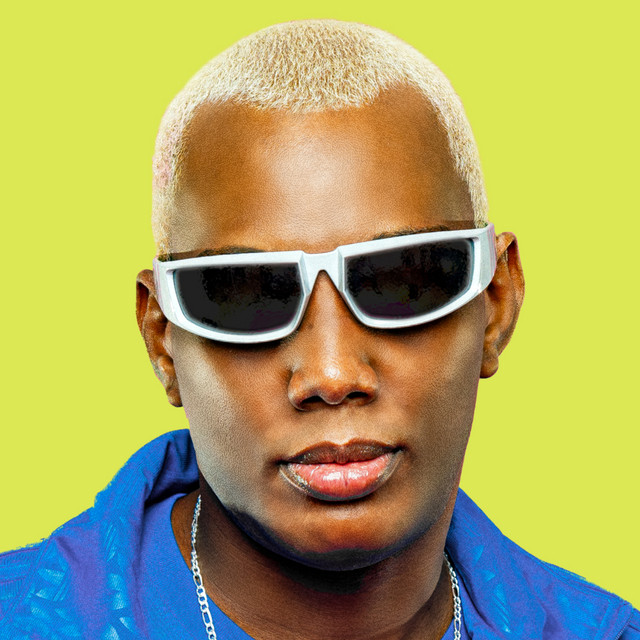
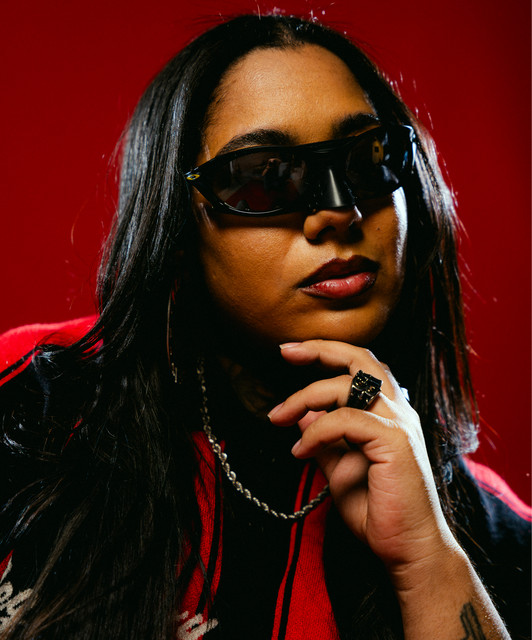
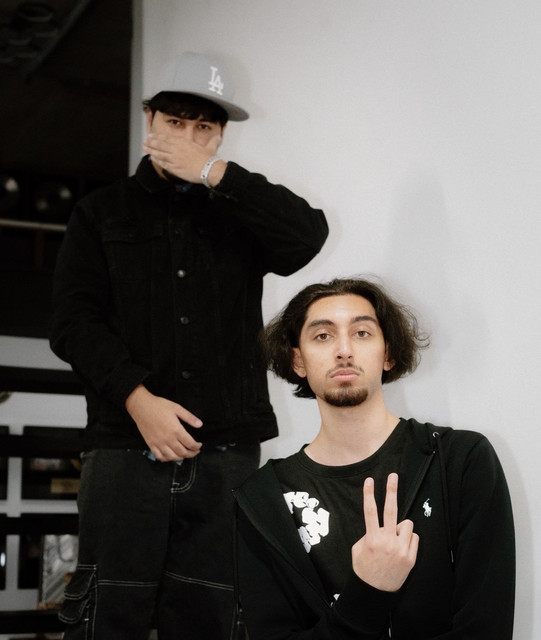
The Brazilian phonk scene is characterized by a rotating roster of emerging producers and DJs from major urban centers. These artists serve as ambassadors of the sound through online releases, live sets, and collaborations with collectives and labels that focus on lo-fi, sample-based aesthetics, and cross-cultural fusion. Because the scene grows quickly and new voices appear often, today’s ambassadors are a diverse group spanning São Paulo, Rio de Janeiro, Brasília, Curitiba, and beyond—each bringing their local flavor to the core phonk template.
Why enthusiasts should dive in
For listeners who crave textures, atmosphere, and a sense of place, Brazilian phonk offers a compelling blend: the familiar retro vibe of phonk with a vivid Brazilian stamp. It’s ideal for late-night listening, road trips, and intimate club sets where mood and groove coexist. If you’re curious about the intersection of Memphis-inspired production and Brazilian urban soundscapes, Brazilian phonk is a richly rewarding doorway.
Origins and evolution
Phonk as a broader movement germinated in the 1990s through Memphis rap and the later “chopped and screwed” technique, carried forward by a wave of producers on SoundCloud and Bandcamp in the 2010s. Brazilian phonk sprang from this global current, but quickly took on a distinctly Latin-American and Brazilian character. Local producers began sampling Portuguese vocal snippets, Brazilian film dialogue, and classic funk carioca breaks, layering them over lo-fi drum kits, muffled 808s, and loopy basslines. The aesthetics remain lo-fi and nostalgic—like a scratched tape re-wind of a road trip through Brazil’s cities—yet the accents are unmistakably Brazilian.
Sound, production, and mood
If you listen closely, Brazilian phonk sits at a crossroad: the Memphis-inspired chopped-and-screwed ethos meets Brazilian rhythmic life. Tracks often feature slowed, pitched-down vocals, dusty vinyl crackle, and moody synth pads that recall late-night street scenes. The percussion can swing with samba and funk carioca grooves, or stay minimal and heavy for a more cinematic effect. The bass tends to be warm and punchy, designed to thump in a club PA or a car stereo while a rain-soaked guitar lick or a Portuguese spoken word sample drifts overhead. The mood ranges from noir and introspective to hypnotic and dance-ready, making it suitable for late-night listening or late-night dancing.
Cultural context and reach
Brazil’s phonk scene sits alongside Brazil’s broader underground music ecosystem, where baile funk, rap, and electronic experimentation intersect. The genre has found fans not only in Brazil but across Latin America and among international listeners drawn to the genre’s melancholic energy and tactile production. Fans in Europe and North America often discover Brazilian phonk through streaming playlists, YouTube channels, and mixes that celebrate the fusion of localized samples with the classic phonk palette. Festivals and basement shows in São Paulo, Rio de Janeiro, Curitiba, and other cities have helped cultivate a dedicated live audience, even as the online community remains the main engine of discovery and collaboration.
Key artists and ambassadors
The Brazilian phonk scene is characterized by a rotating roster of emerging producers and DJs from major urban centers. These artists serve as ambassadors of the sound through online releases, live sets, and collaborations with collectives and labels that focus on lo-fi, sample-based aesthetics, and cross-cultural fusion. Because the scene grows quickly and new voices appear often, today’s ambassadors are a diverse group spanning São Paulo, Rio de Janeiro, Brasília, Curitiba, and beyond—each bringing their local flavor to the core phonk template.
Why enthusiasts should dive in
For listeners who crave textures, atmosphere, and a sense of place, Brazilian phonk offers a compelling blend: the familiar retro vibe of phonk with a vivid Brazilian stamp. It’s ideal for late-night listening, road trips, and intimate club sets where mood and groove coexist. If you’re curious about the intersection of Memphis-inspired production and Brazilian urban soundscapes, Brazilian phonk is a richly rewarding doorway.